The Best Online Classes for Learning Traditional Skills – Bread Making, Fresh-Milled Flour, Homemade Cheese, Herbal Medicine, Canning, Preserving, Gardening, and More…

Traditional Skills That Are Making a Comeback

If you’ve followed my blog for any amount of time, you know that I love the classes at Homesteading Family. I’ve learned so much from them – bread making, sourdough, homemade cheese, canning. Their classes on herbal medicine, preserving, and permaculture are a great starting point if you are wanting to learn more about traditional homemade skills. The skills that our grandparents knew are becoming less commonly known, if not forgotten altogether, but they are so much more important to our daily lives as grocery prices soar and uncertainty looms around the corner. Consider these Homesteading Family Classes as a way to take back some of your independence and the skills we have lost.

Read to the end for a special coupon code! Take advantage of this discount code just for Maggie Lane subscribers!

Traditional Food Preparation Skills

1. The Art of Homemade Bread

This course covers yeast and sourdough. It is broken down step-by-step so that anyone can do it. If you’ve tried to make bread before and failed, this course is for you. By the end you’ll know just what to do to achieve the perfect loaf every time. What’s the secret? Knowing how to read the dough. The course gives you benchmarks at each step to know when your dough is ready for the next step.

2. Homemade Dairy Masterclass

Think you can’t make use of this class because you don’t have a cow? Think again. You can make all the recipes in this course using store-bought milk. Every recipe I’ve made have been made with milk from the store. The course starts out simple and builds your skills so that you can make the simplest fresh cheese all the way up to mozzarella or hard cheeses like cheddar and parmesan. No special equipment needed. You can use the things you already have in your own kitchen.

3. Baking with Home-Milled Flour

Want to learn the ins-and-outs of milling your own flour at home. This mini-course is a great companion to the Art of Homemade Bread class and gives you even more tips on using fresh-milled flour at home.

Food Preservation Techniques

4. The Abundant Pantry Canning Masterclass

Learn how to safely water bath and pressure can in this masterclass. This comprehensive course gives you step by step instructions in over 70 lessons. You’ll get all your questions answered and learn to can with confidence. This class will remove all the doubt in eating your home-canned food.

5. Preserving Eggs & Wild Milk!

If you have your own animals, these two classes will help you know what to do with all those eggs from your chickens and milk from your cow rather than give them to the neighbors. Learn to preserve your eggs like they are fresh for over a year, and find out how to use the good bacteria naturally present in your raw milk to your advantage.

Medicinal Herb & Garden Skills

6. The Herbal Medicine Cabinet

Discover how to grow, harvest, and prepare your own herbal remedies. This beginner course is just what you need if you’ve been wanting to learn how to make your own teas, tinctures, gylcerites, syrups, herbal vinegars, oxymels, and steams, but don’t know where to start.

7. Permaculture

Learn how to work with nature in this introductory course to growing a productive and sustainable garden. Gain the basic skills you need to maximize your food production and provide your family with good home-grown food.

Household & Kitchen Resources

8. Handmade Home

This course is part of Homesteading Family’s Homestead Kitchen Membership. It covers soap making and making your own herbal oil and salves.

9. Home Management

Gain tips on managing a busy home, homeschool, and homestead. From tips to streamline breakfast to managing your time and finding joy in your day, let this course guide you to peaceful productivity.

10. In the Homestead Kitchen Magazine

This digital and print magazine is a beautiful addition to your coffee table and a valuable resource to your kitchen. The kitchen is truly the hub of the home. Whether your homestead is acres of land or a tiny balcony garden, you can make use of these tips and recipes in any kitchen. Take your cooking from scratch skills up a notch. This will soon become your favorite cookbook!

Want access to all these classes and more?

Homesteading Family offers a monthly or annual membership to their Homestead Kitchen Community. Membership offers you all these classes plus access to members-only content and challenges.

Whether you’re seeking greater self-sufficiency, trying to balance the budget, or simply wanting to experience the joy of making things at home, these online courses offer guidance and experience that makes traditional skills accessible to anyone.

Special BONUS for Maggie Lane readers!

Enter your email below to get the Homesteading Family coupon code.

View Homesteading Family classes here.

Not ready to sign up for full class? These FREE trainings might be just what you need.

FREE Dairy Training – click the link to sign up.

FREE Canning Training – click the link to sign up.

FREE Bread Making Class – click the link to sign up.

FREE Herbal Medicine Training – click the link to sign up.
Note: This post contains affiliate links.

Free Canning Webinar by Homesteading Family tomorrow!

Hi Friends.

There is a free canning webinar tomorrow. Mark your calendars. Don’t worry if you can’t make it live. There is always a replay. 😊

3 Ingredient, Dairy-free, Nut-Free Pesto!

Sometimes when you have food restrictions you automatically write foods off when you can’t make them using their traditional recipes thinking that they won’t be as good. Well, pesto should not be one of those recipes. Make it without the cheese and bits and I think it tastes just as good.

Dairy-Free, Nut-Free Pesto Recipe:

Food processor stuffed with fresh basil leaves

1-2 heads of garlic (2 heads for an 8 cup food processor, 1 head for a 4 cup or smaller)

1/4-1/2 tsp salt (Go by taste here, use the lesser amount for the smaller food processor. I actually prefer to add 1/8 tsp at a time and then taste in between to be sure I don’t get too much.)

Pulse until all the ingredients are finely chopped.

Slowly begin to drizzle in olive oil until your mixture is creamy. Taste it. Tweak the seasonings if needed. A little more salt maybe. A little more basil. Maybe it needs some more olive oil to make it creamier. Work with it until you like the flavor.

Store in freezer bags or small air tight containers. It’s best to store in single serving sizes so that you can just thaw out what you need for a batch of pasta or pizza. Refrigerate for 1-2 weeks or freeze for a up to a year (if it lasts that long).

It’s that easy and it tastes great! You’ll never miss the cheese or nuts. In fact, I prefer it without it.

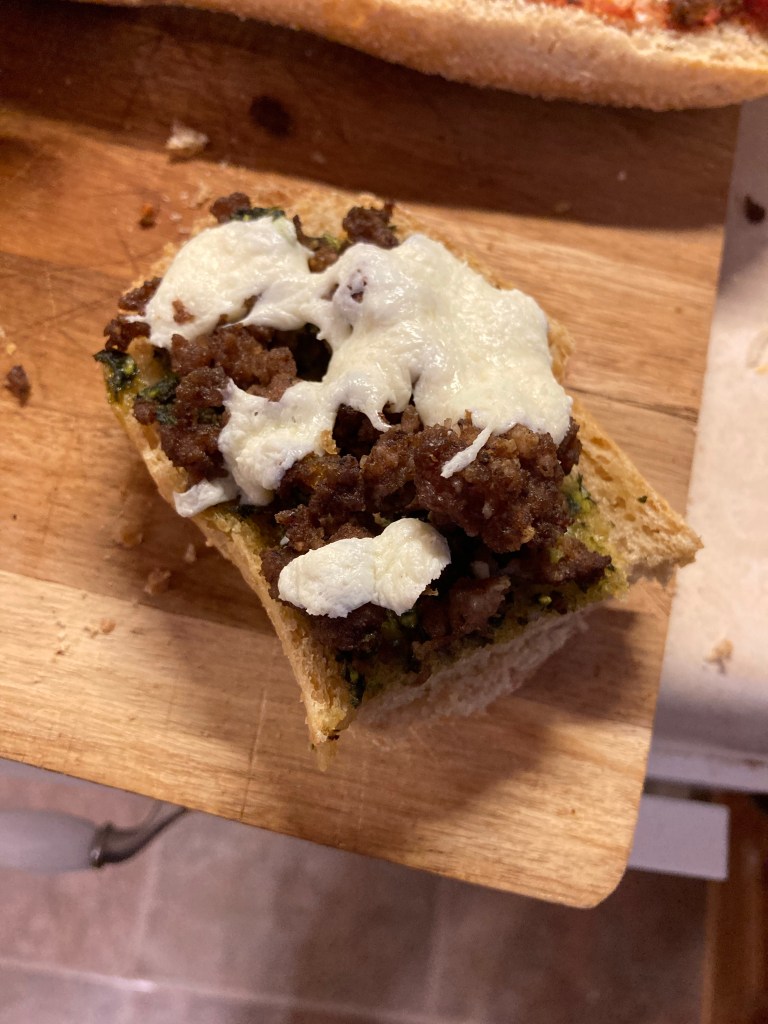
We turned these nice homemade French bread loaves into French bread pizzas with fresh mozzarella and they are delish! They pesto is hiding in there under the meat and cheese. 😊 We took some of these to a church event, and I can’t tell you how many people were thankful for the dairy-free and nut-free pesto. It is nice when people get to enjoy a food that they normally can eat at a group event because someone was considerate of their allergies. I know I appreciate that. 😊

Make Ahead Pantry Mixes – Healthy Options for the Sweet Tooth

Last week I shared how to mix make ahead rice mixes using ideas I got from from this little book:

Quick Fix Healthy Mix

I saw it recommended in Homesteading Family’s Homestead Kitchen Community. It’s become a good reference because even though I can’t use the recipes included in it because of all our allergies, I can use them as inspiration and modify them to suit our needs.

Do you have a sweet tooth and wish you have a healthier option from store bought cake mixes? Here’s your answer. Below, you’ll find make ahead mixes that will sit on your shelves for months until you need them.

Make Ahead Sweet Tooth Cake and Quick Bread Mixes:

Homemade Chocolate Cake Mix Recipe:

This recipe will fill two regular 24 oz spaghetti sauce jars or quart size canning jars. It yields two 9” cakes.

2 1/2 cups all purpose flour

1 1/2 cups sugar

1/4 cup cocoa powder

1 tsp salt

2 tsp baking powder

Combine all the above in a bowl, transfer to two glass jars, and label with ingredients, what to add on baking day, and baking instructions.

On Baking Day Add…

1 cup of milk

2 eggs

1/3 cup of oil

1 tsp vanilla

Chocolate Cake Baking Instructions:

Grease and flour two cake pans. Bake at 350 for 25 minutes until a toothpick comes out clean.

Cinnamon Coffee Cake Mix Recipe:

1 cup all purpose flour

1 cup whole wheat flour

3/4 tsp salt

1/4 tsp baking soda

1/8 tsp baking powder

2 tbsp sugar

1/4 cup brown sugar

1/2 tsp cinnamon

Combine all the above in a bowl, transfer to a glass jar, label with ingredients, what to add on baking day, and baking instructions.

On Baking Day Add…

3/4 cups milk

1 egg

1 tsp vanilla

1/3 cup oil

1 tbsp vinegar

Coffee Cake Topping:

Store this mixture in a baggie in the mouth of your jars. Pour topping mixture into a bowl and cut in 4 tbsp of butter. Then sprinkle on the top of your cake just before baking.

1 tsp cinnamon

1/4 cup brown sugar

1/2 cup oatmeal or flakes spelt

1/4 cup all purpose flour

Coffee Cake Baking Instructions:

Bake in greased 9” cake pan, or 8×8” casserole on 350 for 35-40 minutes.

Homemade Banana Bread Baking Mix Recipe:

2 1/2 cups all purpose flour

3/4 cups whole wheat flour

1 1/2 tsp baking powder

1 1/2 tsp baking soda

1/2 cup sugar

1/4 cup brown sugar

1/2 tsp salt

1 tsp cinnamon

Optional: Add 1/4 cup chocolate chips.

Combine all the above in a bowl, transfer to two glass jars, and label with ingredients, what to add on baking day, and baking instructions.

On Baking Day Add…

2 eggs

1/3 cup oil

1-2 ripe bananas

Banana Bread Baking Instructions:

Bake in a greased 8×8” casserole on 325 for 1 hour until a toothpick comes out clean.

Shelf Life of Homemade Baking Mixes:

Shelf life is for all baking mixes is 4-5 months if kept cool and dry. See the note at the bottom of this post for how to extend the shelf life for a longer period.

I hope you’ll try some of these recipes. And guess what? If they sound good to you right now, there’s not need to wait for later. Go ahead and mix up a something sweet right now!

Pro Tips for Making Your Own Baking Mixes:

Pro Tip #1: Always use dried spices, never fresh as the moisture contained in fresh spices will cause your mixture to mold.

Pro Tip #2: Save your empty spaghetti sauce jars to fill with dry pantry mixes to give away to friends. That way you won’t have to give away your good canning jars.

Pro Tip #3: If using canning jars, use this little hand held vacuums sealer with this handy jar attachment to suck the air out of your jars and really increase the shelf life of the dry mixes that you make.

Preserving 101: Homesteading Family is currently running a Preserving Challenge in their Homestead Kitchen Community. Check it out if you want to learn more about stocking your pantry with shelf stable, natural foods. The challenge includes canning, dehydrating, freezing, fermenting, and freeze drying.

Note: This post contains affiliate links.

Make Ahead Pantry Mixes – Savory Rice Mixes at the Ready

We mixed up a box full of these shelf stable pantry mixes last week to send to an ill family member who we thought might need some convenience meals.

We got the idea from this little book:

Quick Fix Healthy Mix

I saw this book recommended in Homesteading Family’s Homestead Kitchen Community the other day. It’s become a good reference for me as we can’t buy any packaged convenience meals, spice blends, cake mixes, and so on because of all of our unusual allergies and food sensitivities. But this book has been a great help to me because even though I can’t use the recipes included in it, I can take them as a starting off point and modify them to suit our food restrictions.

Here’s the ones we came up with. We decided to try two savory rice mixes, and three sweet ones. Comfort food you know… 😊

This week I’ll give you the instructions for the rice mixes, and next week I’ll share the sweet recipes which will include Cinnamon Coffee Cake, Chocolate Cake, and Banana Bread – all as shelf stable, make ahead desserts!

So, let’s get started!

Make Ahead Savory Rice Mixes:

Orange Rosemary Rice Mix Recipe:

This recipe will fill a regular 24 oz spaghetti sauce jar or quart size canning jar.

2.5 cups uncooked brown rice

1/4 cup dried orange peel

2 tsp dried chives

1 tsp salt

1/2 tsp pepper

1.5 tsp dried rosemary

1 tbsp parsley

1/2 tsp onion flakes

Herb & Spice Rice Mix Recipe:

This recipe will fill a regular 24 oz spaghetti sauce jar or quart size canning jar.

2 1/2 cups uncooked brown rice

2 tsp dry oregano

1/2 tsp dried Basil

1 tsp dried parsley

1 tsp paprika

1 tsp marjoram or thyme

1 tsp salt

1 tsp pepper

1/4 tsp chili powder

1/4 tsp cumin

Mixing and Storage Instructions for Rice Mixes:

Mix all the ingredients in a large bowl. Once combined, fill your jar, secure the lid, and label with ingredients and cooking instructions. Shelf life is 6 months it kept cool and dry. See the note at the bottom of this post for how to extend the shelf life for a longer period.

Cooking Instructions for Rice Mixes:

Add 2 cups of water for every cup of rice. Simmer covered for about 20 minutes until all the water is absorbed.

I hope you’ll try some of these recipes. And guess what? If they sound good to you right now, there’s not need to wait for later. Go ahead and mix up a batch of rice to go with dinner and something sweet for dessert.

Pro Tips for Making Your Own Baking Mixes:

Pro Tip #1: Always use dried spices, never fresh as the moisture contained in fresh spices will cause your mixture to mold.

Pro Tip #2: Save your empty spaghetti sauce jars to fill with dry pantry mixes to give away to friends. That way you won’t have to give away your good canning jars.

Pro Tip #3: If using canning jars, use this little hand held vacuums sealer with this handy jar attachment to suck the air out of your jars and really increase the shelf life of the dry mixes that you make.

Preserving 101: Homesteading Family is currently running a Preserving Challenge in their Homestead Kitchen Community. Check it out if you want to learn more about stocking your pantry with shelf stable, natural foods. The challenge includes canning, dehydrating, freezing, fermenting, and freeze drying.

Note: This post contains affiliate links.

Why make things from scratch?

Those of you that know me, know that I work hard in my kitchen and work my kitchen hard. I make many things like bread, pasta, broth, ferments, jams, kombucha, and cheese that most people buy at the store. I do this not because I necessarily love the challenge of mastering these skills, but because it means that I can control the ingredients and the quality so that we can eat these foods that we would otherwise have to avoid if store bought were my only option.

I honestly can say that Homesteading Family’s the Art of Homemade Bread Class 🍞and Practical Homemade Dairy 🥛 have been life changing for our family, Caleb and I in particular, in terms of the variety and quality of foods that we can eat.

Consider signing up for Carolyn’s free Dairy training. Carolyn gives lots of great info away in these trainings. It’s always good to have something to listen to while you cook or clean.

And even if you don’t aspire to make cheese there are lots of easy recipes to use with fresh dairy – butter and homemade coffee creamer. Mmmm. 😋 And did you know you can easily make buttermilk, yogurt, sour cream, and ricotta easily with no special equipment? Or you can try your hand making your own cheddar, mozzarella, Parmesan, and more. 🧀

If you’ve read this far, click here to join the fun. the link and check it out.

Other posts you might like:

Easy Homemade Cheese 3 Ways

Homemade Boursin Garlic & Herb Soft Cheese

Wild Milk, Clabber, and Cheese

My Collection of Sourdough Recipes

Lemon Cranberry Relish

Cranberry Orange Scones

Cranberries! Try this Fermented Lemon Cranberry Relish for Thanksgiving!

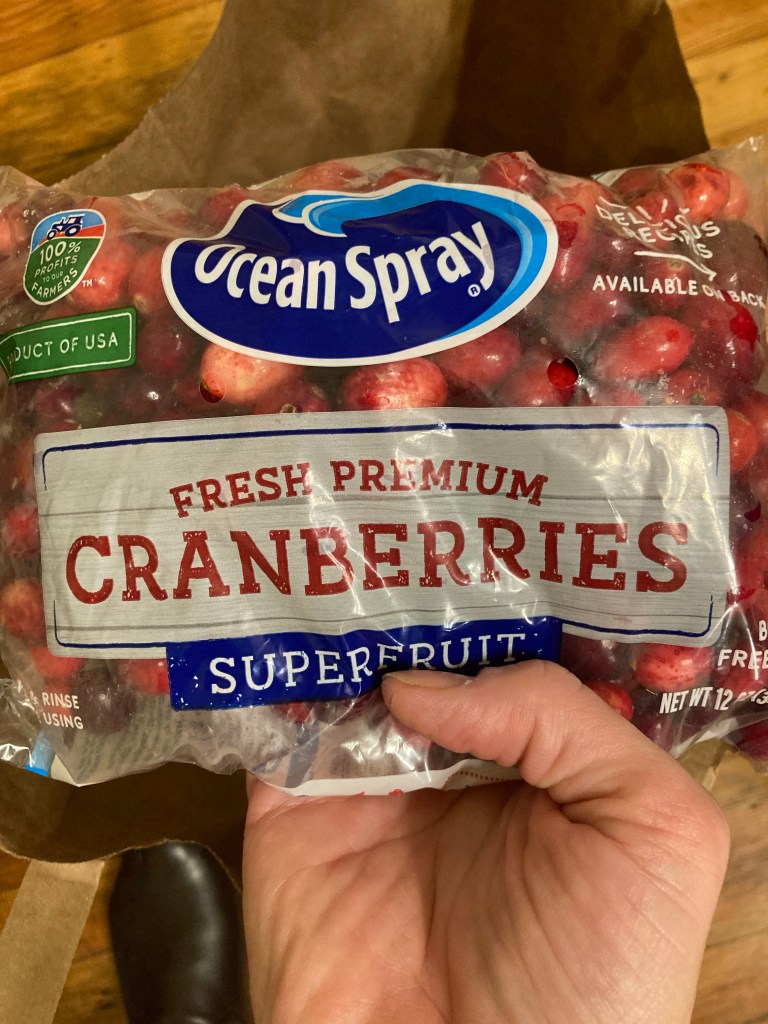
Do your local grocery stores have fresh cranberries yet? If so, snatch them up while you can. I’ve made this fermented Lemon Cranberry Honey the last couple of years and realized last year that I didn’t make nearly enough last time. So I upped my game and instead of the two jars I made last year, this year I made six! One bag of cranberries will yield about three cups worth of relish. Hopefully this will last us through till next year when I can get fresh cranberries again. I tell you there is nothing better on toast in the morning and it makes whipping up a batch of lemon cranberry scones a cinch!

It couldn’t be easier, chop the cranberries in your food processor, put them in a jar, add some lemon peel, cover them with honey, and put on the lid. Let it sit on the counter for a couple of weeks agitating the jar a little each day and then move to cold storage. I’ve had a forgotten jar last nearly a year and it was still delicious.

If you want to delve deeper into ferments, try Homesteading Family’s Fearless Fermenting Workshop.

Note: This post contains affiliate links.

Fermented Cherry Tomatoes

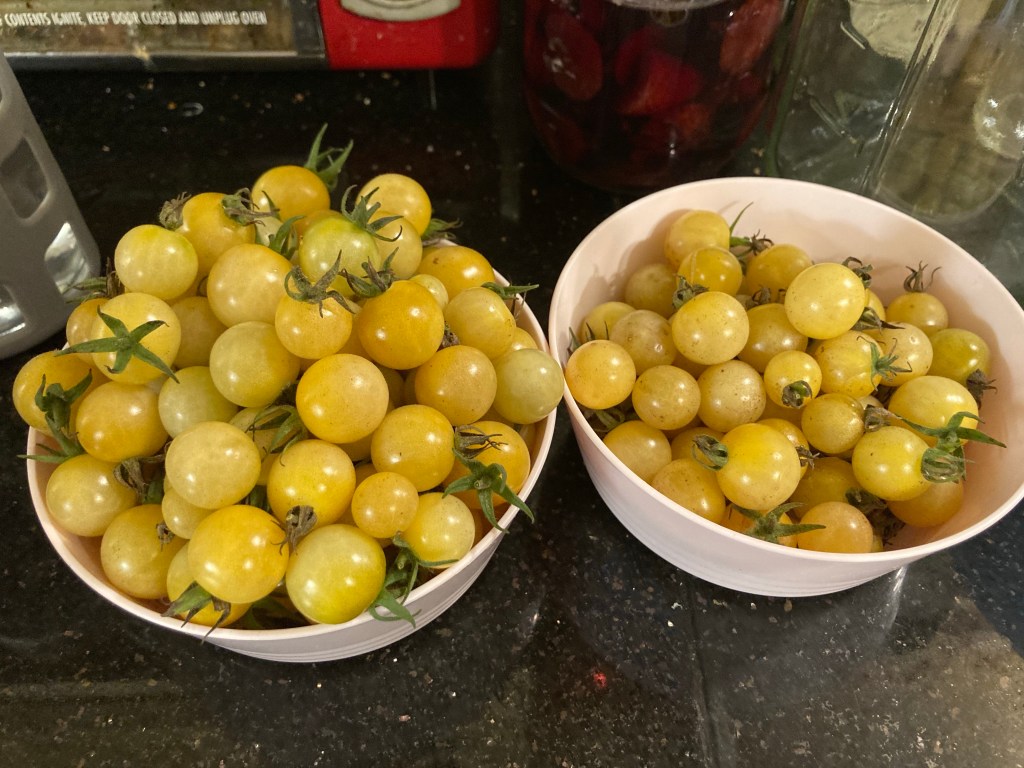
We finally had cherry tomatoes begin to ripen after a long, cool spring, and the hottest, driest summer I can remember. And they are ripening just as it’s beginning to hit the 30’s at night, so I’m trying to bring them in as soon as there is a hint of yellow.

Of course, there are too many to eat fresh, even with a tomato loving six year old, so I have to do something with the extras.

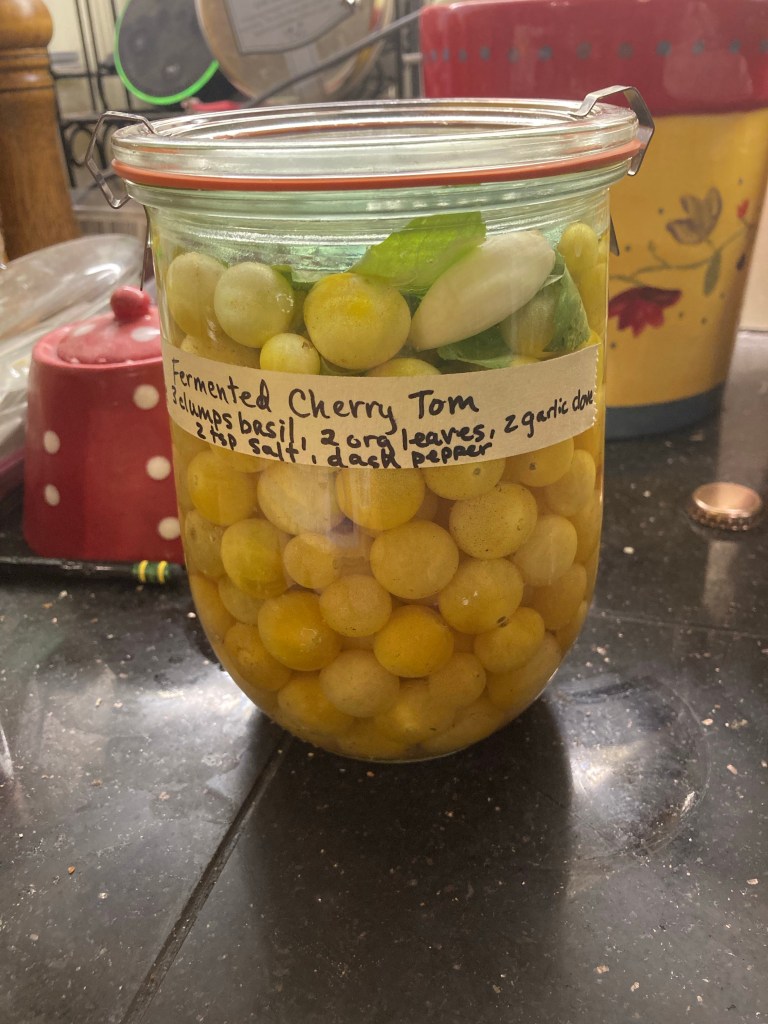
So I made a batch of fermented garlic Basil tomatoes which I’ll probably blend up later on to use as a pasta sauce. After it ferments I’ll strain it and blend it all together in the food processor adding little bits of the fermenting liquid until I like the texture, and then pour over and toss with cooked pasta.

If you want to try your own, take fill a quart size jar with cherry tomatoes to about 1/2” below the shoulder. Add 2 1/2 tsp of salt, a few basil leaves if desired, and 1-2 cloves of garlic (also optional). Cover with filtered or distilled water. Weight down and cover with a glass weight, clean onion skin, or zip-lock baggie filled with a bit of water. Your goal here is to keep all the food particles under the liquid so that they are not exposed to oxygen so that they will not mold.

Loosely screw on your lid, and you’re done! That was easy wasn’t it? Let it sit for 2-3 weeks until it hits a flavor profile that you like, and when it does, move it to cold storage in the fridge. Fell free to open your jar to taste the tomatoes after the first week to see how they are progressing so that you can learn what flavors you like and when to stop the fermenting process by moving it to cold storage. But, each time you open the jar be sure that you settle everything back under the liquid and your weight or follower as fermenting weights are called.

You may notice that the jar I am using is not a regular mason jar. Any glass jar that you have will do. I have used canning jars, old jelly jars, spaghetti sauce jars, etc. as long as it is clean and you have a way to keep the contents submerged, you’re good to go! But these Weck jars are my new favorite jars for fermenting. Why? Well, they are very pretty, but the main reason is that they have glass lids that clip on. This means that I can grab a lid from a jar that is the next smallest size down and use that lid as my weight. It’s so easy and it fits perfectly! I love it! And they don’t need to be burped because the lids clip on. They will release the pressure on their own or you can just give the little tab on the sealing ring a pull if you want to and you never have to remove the lid until it’s ready to be eaten. Plus, if you are a canner, they work for that too. The rings can even be reused. So they are very versatile. They can be pricey if purchased new, but last a long while if cared for well, and I have even found some at thrift stores before and I definitely snatched them up!

Weck Small Batch Preserving (affiliate link) is a great book if you’d like to investigate using Weck jars further for either canning or fermenting. It’s available through most libraries as an e-book, which is how I discovered it. And if you are new to fermenting, the Fearless Fermenting workshop (affiliate link) by Carolyn at Homesteading Family is a great course to get you started.

Hope you get to concoct something fun and yummy in your kitchen soon! 😊

Herb Harvest 2020

I’ve always enjoyed picking herbs from my garden. But I typically just pick what I need for mmmmm for culinary use. I’ve been harvesting more herbs this to dry and save for medicinal and beauty uses this year.

Scroll on to see what’s been in my herb basket this year.

Sage, Calendula, and one big Mullein leaf.
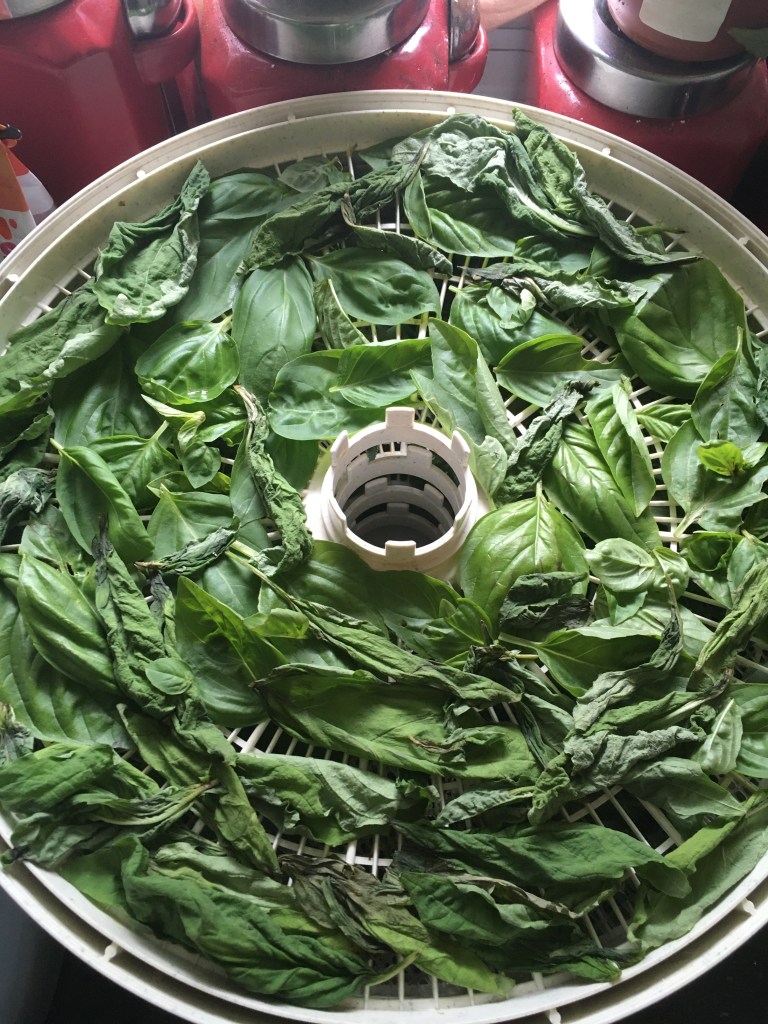
Basil!
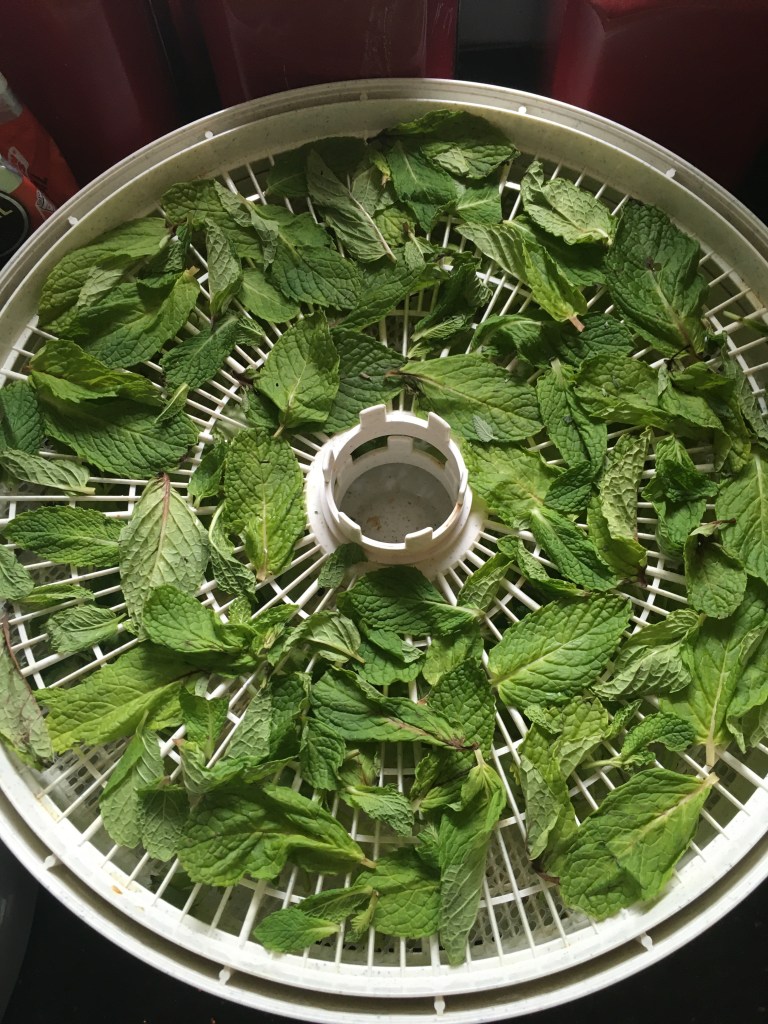
Mint and Catmint
Spearmint
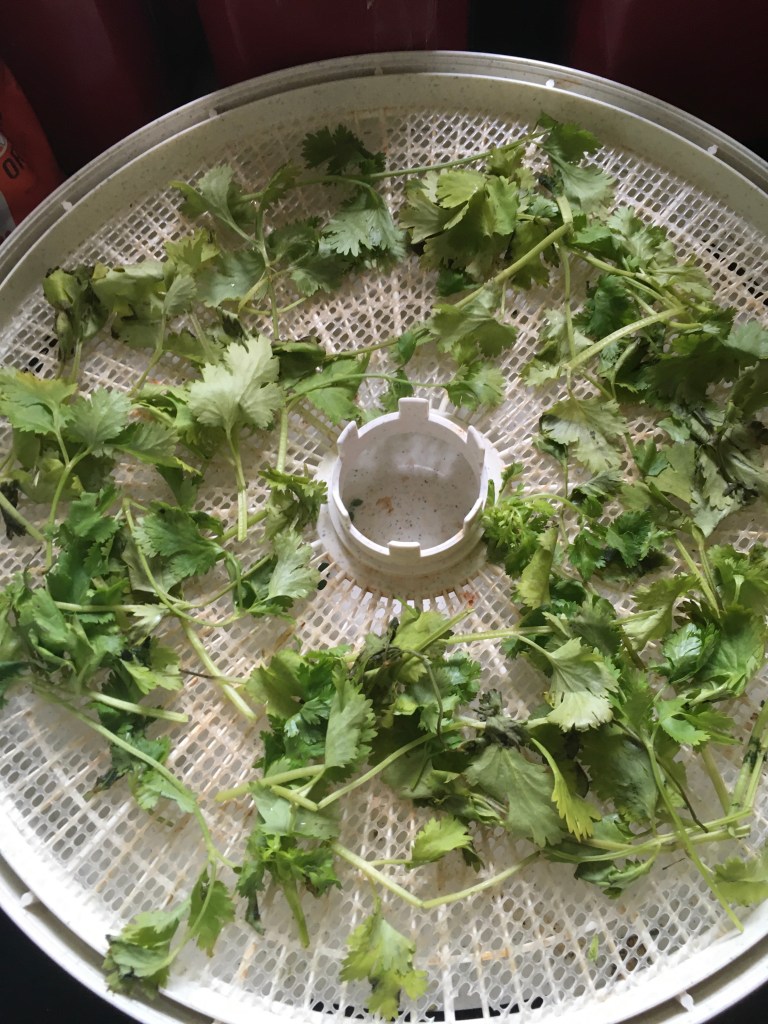
Cilantro
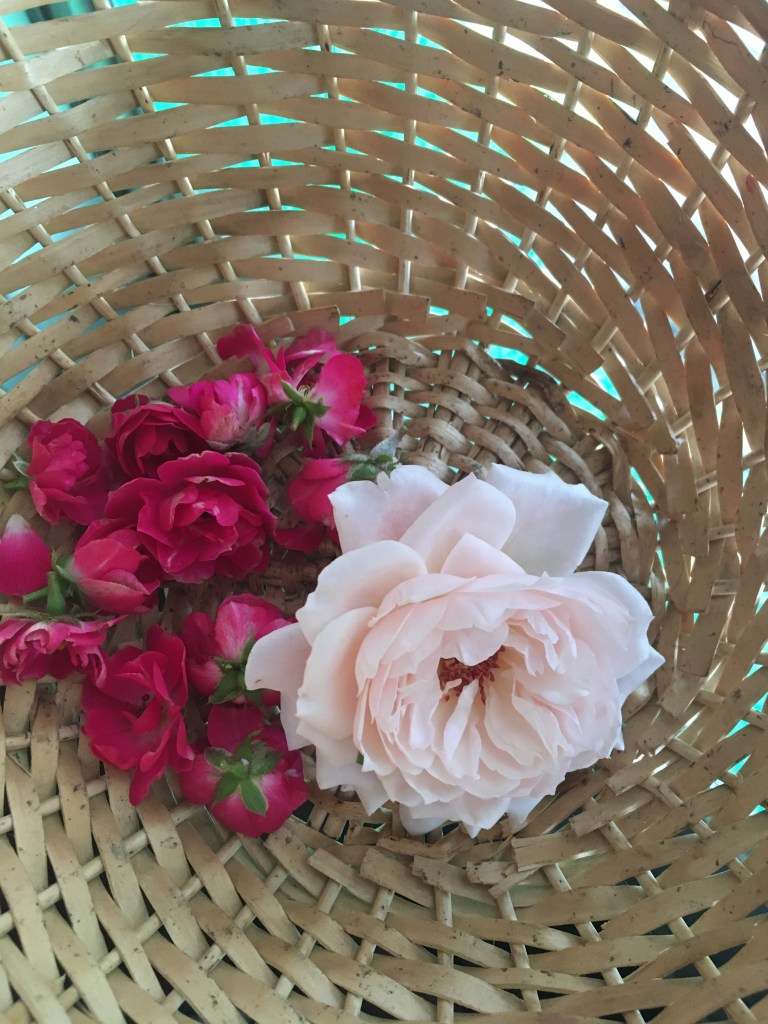
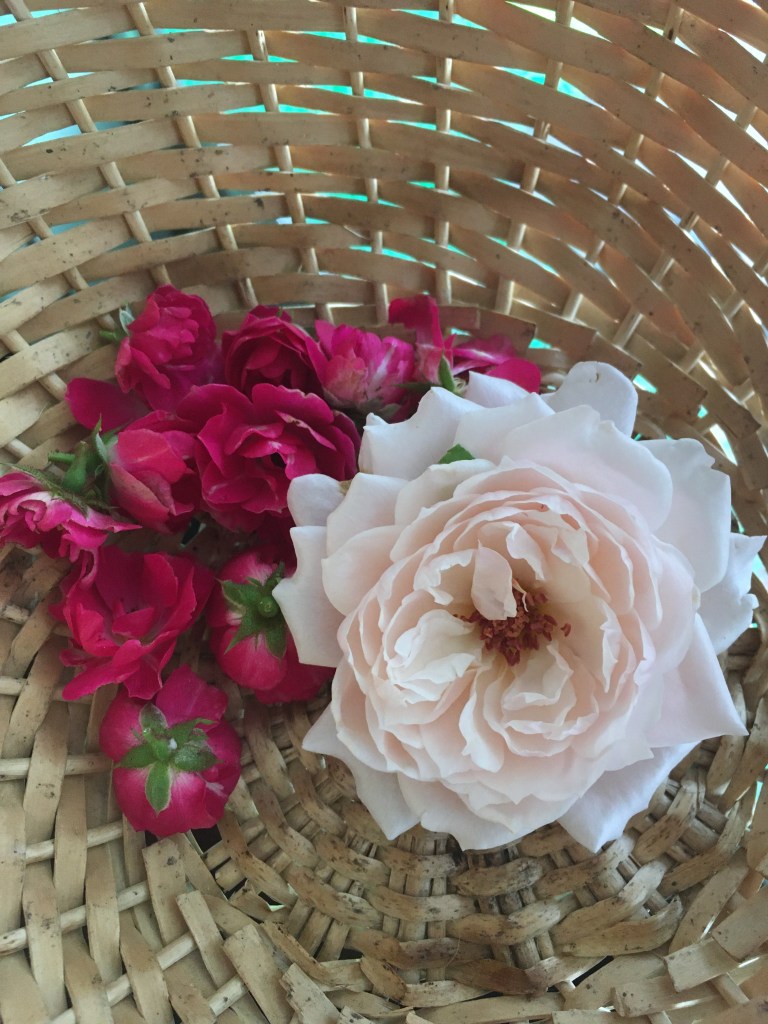
Roses!
I lay my rose petals between two paper towels to air dry.
Pretty little Calendula flowers. I air dry these the same way I do the rose petals.

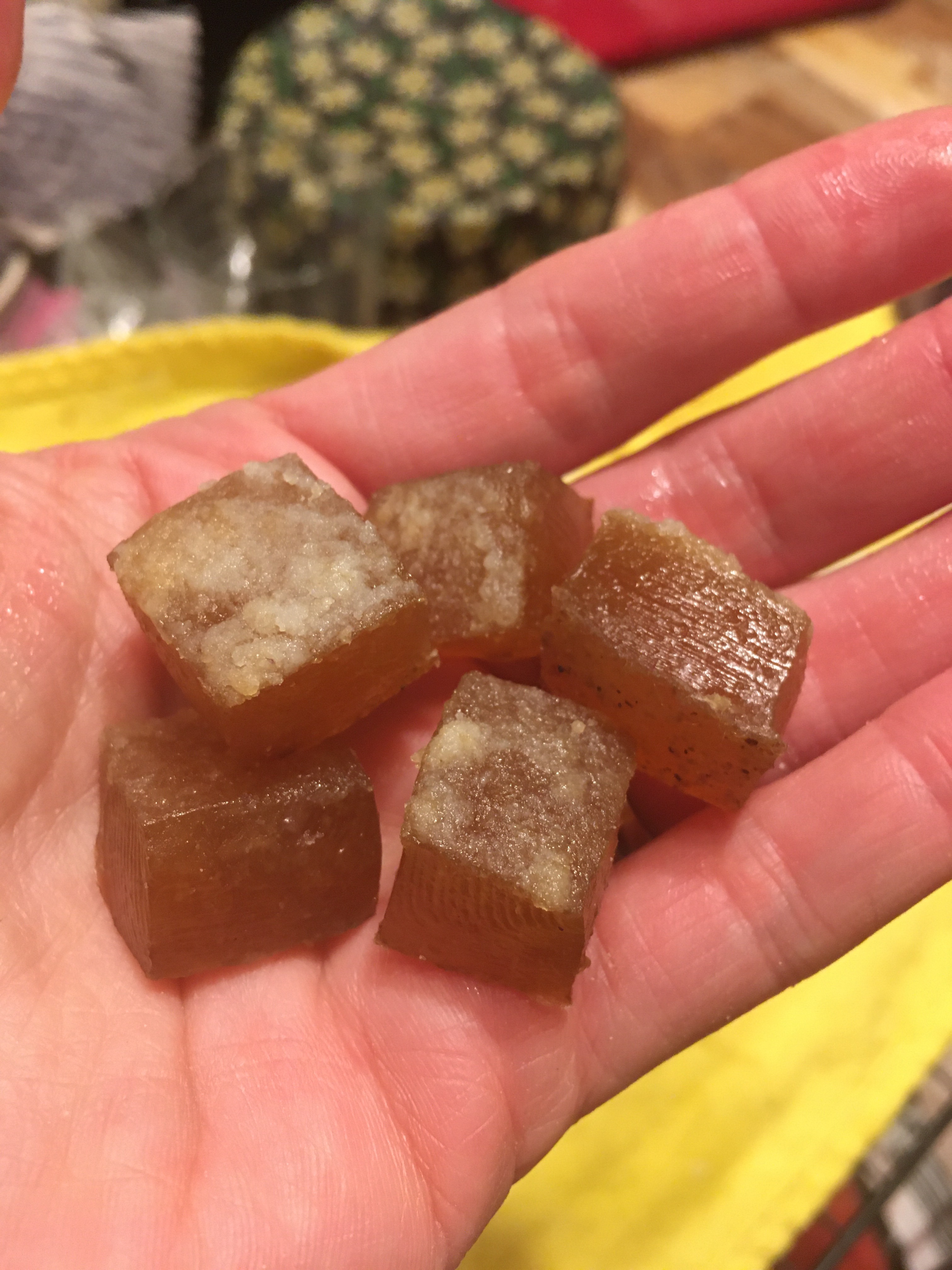
Instant Bone Broth

I’m so thankful for these little homemade chicken bullion cubes. My son has been sick the last two days. He won’t eat much when he’s ill, but he’s always up for chicken soup. I can feed him homemade bone broth in an instant any time I need to by just reconstituting with boiling water. This is one of the most rewarding things I make. And if dehydrated it’s shelf life is a good long time if refrigerated. You can specific instructions on how to make them by taking a peek in the Pantry.