Free Canning Webinar by Homesteading Family tomorrow!

Hi Friends.

There is a free canning webinar tomorrow. Mark your calendars. Don’t worry if you can’t make it live. There is always a replay. 😊

Gardening – Instant Garden Bed Covers – Mesh Picnic Food Tents

Little green things are sprouting in my garden.

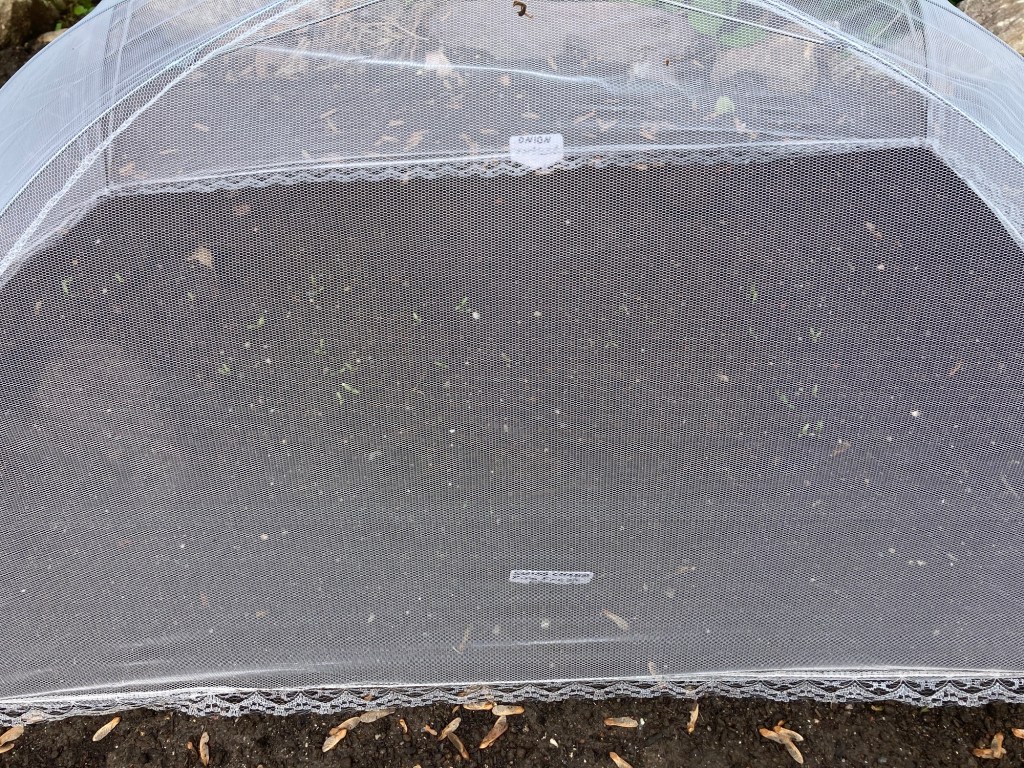
I like to use these mesh picnic table covers to cover my seedlings while we are in the process of planting. We will add permanent covers on the garden later, but these keep the birds from eating the seedlings until everything is in the garden and we can put the permanent bed covers on.

I find that the smaller size works well for small sections or containers, and the extra large covers are great for rows or raised beds.

Garden Update 2024 – Rainwater Harvesting

My first in-ground garden!

I’m so excited!

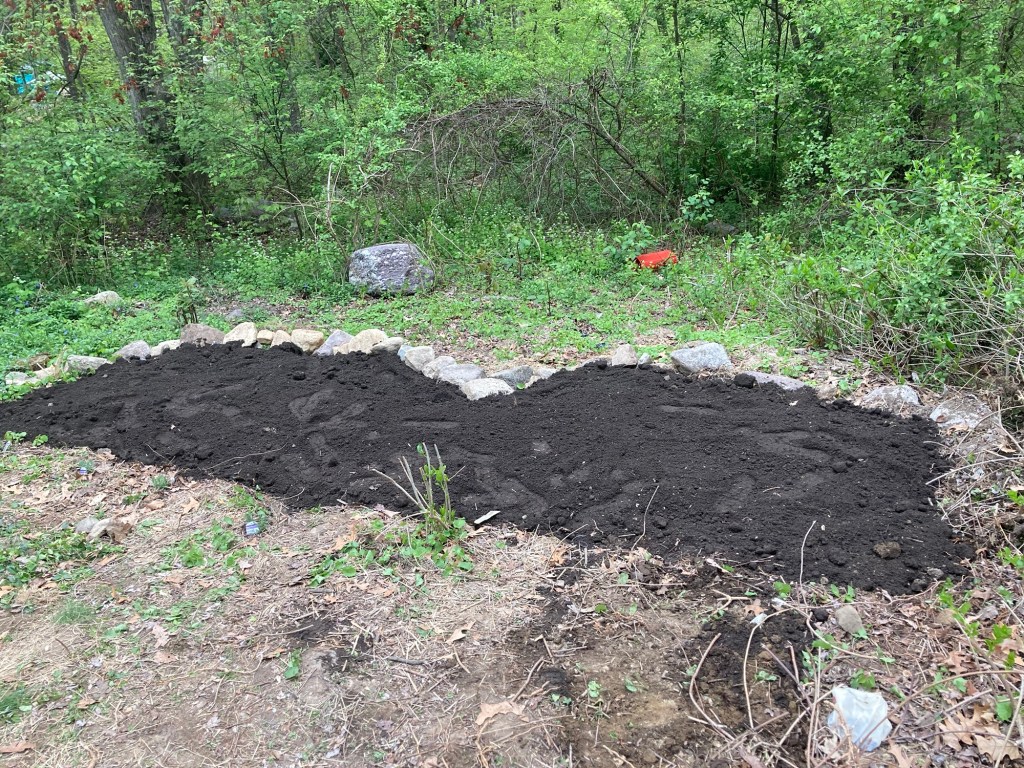
My sweet husband built these beds for me. You’ll notice that they aren’t your traditional raised garden beds. We decided to take advantage of the rocks on our property to build up the back wall of the beds and we used the slope of the terrain here to build contoured terraces which will harvest the natural runoff of rainwater that flows from the front of the property.

If harvesting rainwater is a new idea for you I’d highly recommend Rainwater Harvesting, Vol 2 by Brad Lancaster. There is a volume one, but this 3 volume set isn’t cheap, and the second one is the most essential in terms of implementation and determining what is most useful for your site.

So far our plan seems to be working. We have three drain pipes that are directed to this site and between collecting the rain flow and the runoff from the drain pipes the garden seems to be staying well watered. I put in our first seeds 1.5 weeks ago and I haven’t had to water once to keep them moist. We have had periodic rain and it seems like our rainwater harvest is a success so far.

Stay tuned as I post garden updates through the season. Next week I’ll give more details on how we built our beds.

Note: This post contains affiliate links.

Pumpkin Bread Resurrection – Wheat and Gluten-Free

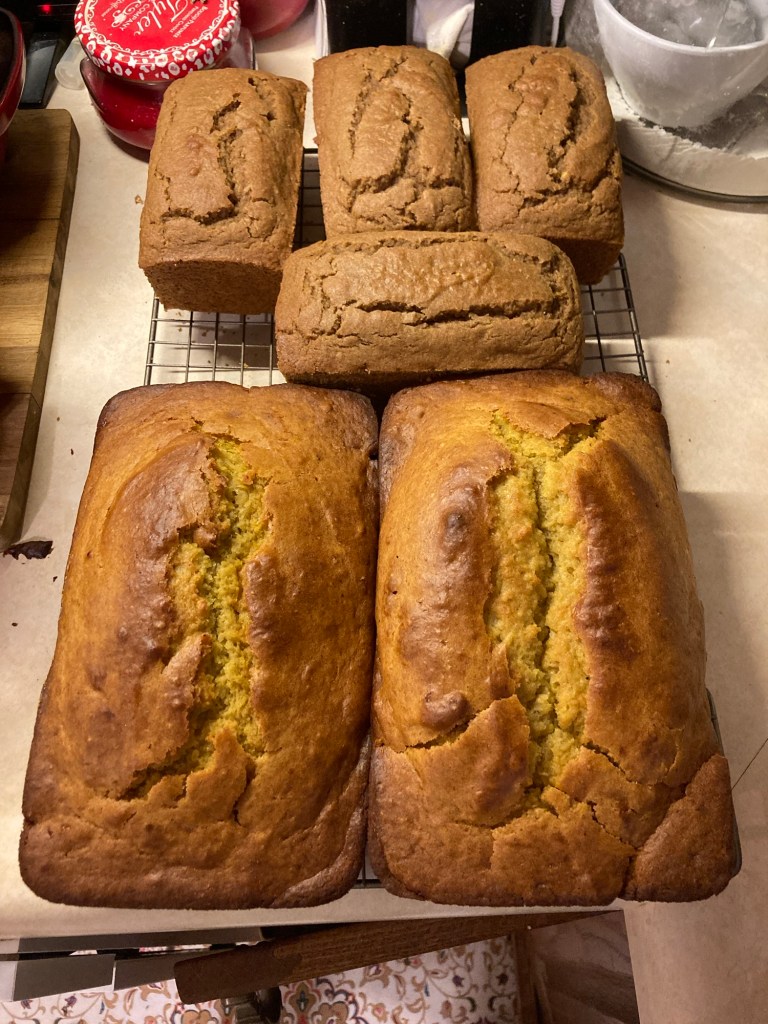
I resurrected what is probably the first recipe I ever put on my blog. I made pumpkin bread this week. Back in 2010 when I starred my blog, I made this every week as a snack for my kids. I hadn’t made it in a while, so I pulled these recipes out of the files to celebrate 3 anniversaries – the anniversary of starting my blog, the anniversary of the day we moved to our first house, and the 1 year anniversary of the day we moved to our new house.

I made the wheat version (large loaves)for the family and the gluten-free version (mini loaves) for me. If you want to try it, the wheat recipe can be found on the Family Favorites page, and the Gluten-Free version can be found on the Allergy-Friendly page. I also use one of my favorite substitutions for this batch. I substituted puréed butternut squash rather than using canned pumpkin. I actually like it better with the squash. The color isn’t as dark orange as with canned pumpkin, but I think the texture and flavor is better.

Herbal Portrait: Mullein

As you get to know your herbs, you may find some surprising uses that are not written up in the herb books and materia medicas.

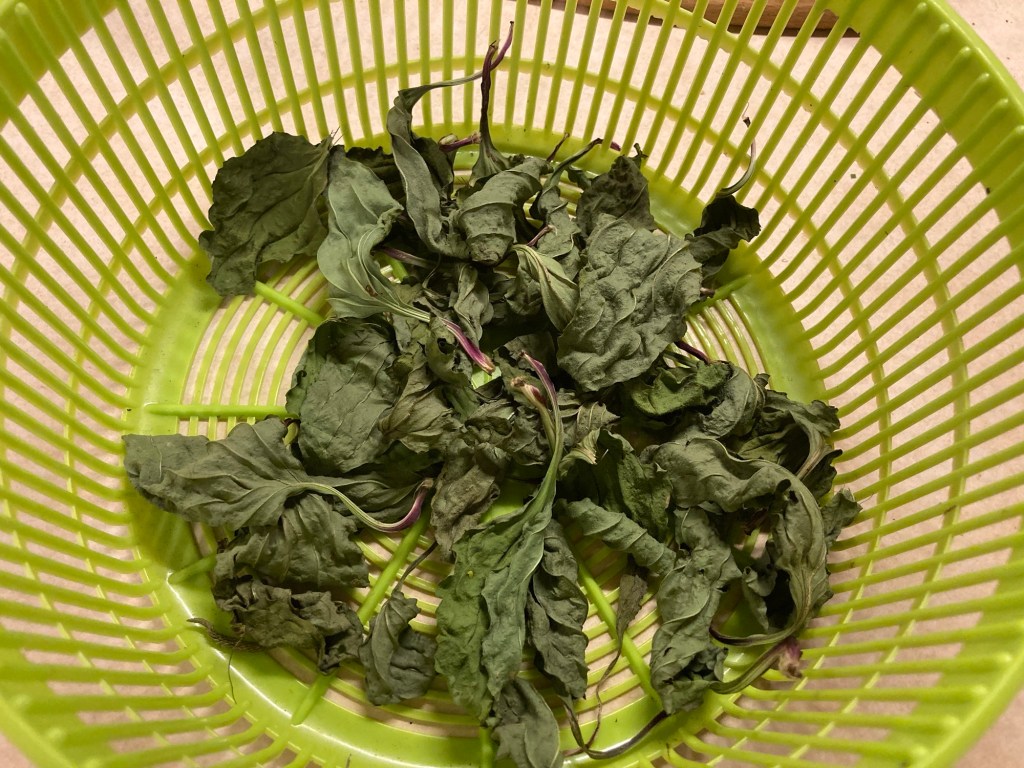
If you have used mullein, you probably know that it is know for loosening things especially in the respiratory tract which is why it is often included in remedies for colds and coughs.

It is also a mild nervine which means that it acts and calms the nervous system.

Well, I’ve had a super busy stretch. Stress and not sleeping well has resulted in a tense muscle in my shoulder/neck that is causing me jaw pain.

Mullein is not your go to herb for muscle tension or pain. But as I have used and gotten to know this herb, I know that it loosens and speaks to my nervous system. So I know from past experimentation that if I apply it to my shoulder, neck, and jaw that it will help the tension and pain.

I have been applying it several times a day this last week, and the muscle generally stays much looser and doesn’t hurt any more. It still feels tight in some places but I’ll keep working on it.

For now though, I’m glad to have a remedy that I can rely on that helps me keep going, even if I am using it “outside the box.”

Pine, which is good for respiratory issues, also addresses pain, and frankincense which is resinous like pine is excellent at keeping muscles loose. Do you see a pattern there? Two of those herbs – pine resin and frankincense, are hard as rocks in their natural state, but they help loosen things.

Sometimes herbs reflect and look like the conditions God made them to heal. Isn’t it nice of Him to give us little clues like that?

And don’t forget to apply your herbs topically – even tinctures. I think our pill popping culture gives us the mistaken idea that medicine (whether herbal or conventional) has to be taken internally to be effective. They don’t. Rub them on. They will soak in and do their job just as well.

What herb would you like to know more about? Let me know in the comments.

2024 Garden Planning

We are putting in a couple of garden beds since we have a little space at our new house.

Here are the books I’ve been referencing from the bottom up.

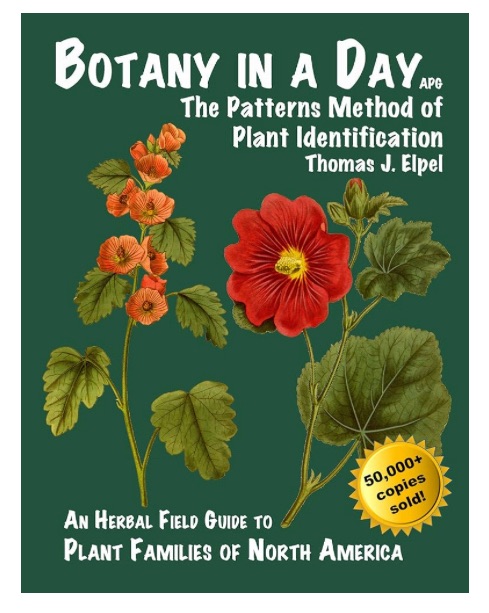
Botany In A Dayprobably my most referenced and studied botany book ever! This is the best book out there for learning plant identification. It teaches you the characteristics by plant families and in kids some basic medicinal qualities of each plant. It’s my go to for plant ID. I use it in my Botany classes and have taught Kindergartners through adults plant identification using this method. You can check out my online homeschool Botany Class here.

Eat Your FlowersThis book is hefty and beautiful. It’s a gorgeous hardcover and honestly the photographs and cooking ideas for edible flowers had me squealing in the bookstore as I was paying through it. My daughter said she could hear me on the other side of the store. Definitely deserves a place on your shelf if you have a garden.

Cooking with Flowers – this was a thrift store find so you’ll have to hunt down your own used copy. It’s older, so no beautiful photography here. But the recipes are solid and creative. Includes holiday ideas for using edible flowers.

Rainwater Harvesting for Drylands, Vol 2 – This is all you ever wanted to know and more about rainwater catchment systems from barrels and cisterns, to berms and terraces, and more. I’ve been studying this book and I’m planning my garden around the water flow of my site in hopes to not have to water this summer. We shall see.

Better Homes and Gardens Complete Guide to Gardening – This one is older too but a good reference book if you are new to gardening.

Native Plants of the Northeast – this is a good reference as well if you live in the Northeast and want to focus on native plants that will grow well in your garden and benefit wildlife.

Betty Crocker’s Kitchen GardenThis book was a gift from a dear friend. She thought that I would love it and she was right. If your dream is an old fashioned kitchen garden, this is the book for you. Paintings and illustrations by Tasha Tudor just making it all the more charming. Also an old book so you’ll probably have to source a used one.

Next in the stack are some seed catalogs from Johnny’s Seeds, Bluestone Perennials, and Heirloom Roses.

The Tri-State Gardener’s GuideThis books is useful for those of you who live in New York, New Jersey, and Connecticut. It mostly addresses landscaping plants but is useful for finding possible deer resistant varieties.

Companion Planting for BeginnersThis book is a good reference for beginners especially if you plan to use raised beds.

Territorial Seed Company – I plan to order seeds from Territorial this year as they are well tested, have many open pollinated varieties, and many varieties good for long term root cellar storage.

Root Cellaring – This is my go to reference for cool crop storage.

Made from Scratch LifeI almost passed this book by because I thought, I can’t possibly need one more gardening/homemaking/homesteading book. But I was wrong. I love books with working charts. She has charts with to help you figure out how many of plants you need for each veggie, and charts to help you determine the best preserving methods for each veggie. There are charts for you to fill in as you make your garden plan so this little book becomes your garden journal. In my opinion all the recipes in the back are just a bonus. I would buy the book for the charts alone.

Preserving FoodThis was a serendipitous find at a book store. I love it because it’s full of old time, little know, traditional preservation techniques.

The top two items of the stack are my Kindle and my paper garden journal.

I watch for good deals on Kindle books and Square Foot Gardening is one that I referenced this time around.

And lastly, but most importantly, my garden journal. I make lists of plant varieties that I want to try, add charts with plant heights, spacing, and planting times, and draw diagrams of my garden beds. Planning this year was bittersweet as I thumbed through the pages of my past gardens at our old house. I hope you have a trusty garden journal. Everyone should have one. As you see mine is old and worn and scribbled in. But I wouldn’t trade it for the world. ❤️

Note: This post contains Amazon affiliate links.
Herbal First Aid Tips: Natural Alternatives to Bandaids, Antibiotic ointment, and more…

I’m working on updating my herbal first aid kit. We are undertaking new to us adventures at our new property – chopping wood, building garden beds and playhouses, cutting limbs, etc. Since these activities have the potential for new injuries, I figured I should need up my first aid supplies. But I’ll post more about that later.

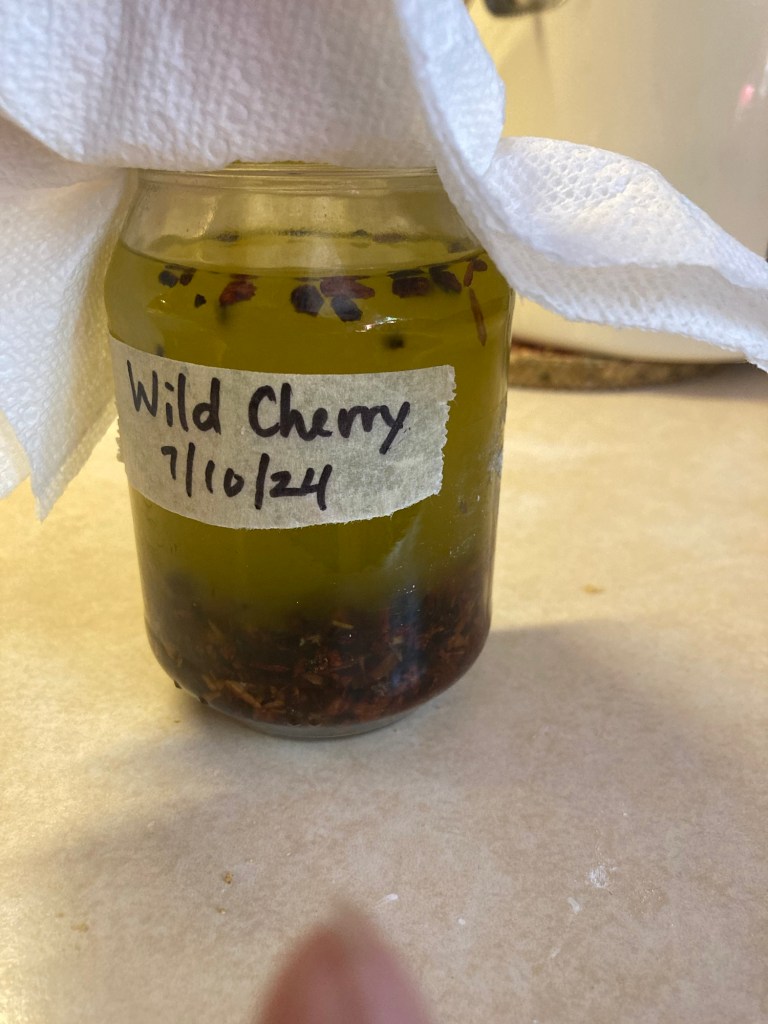
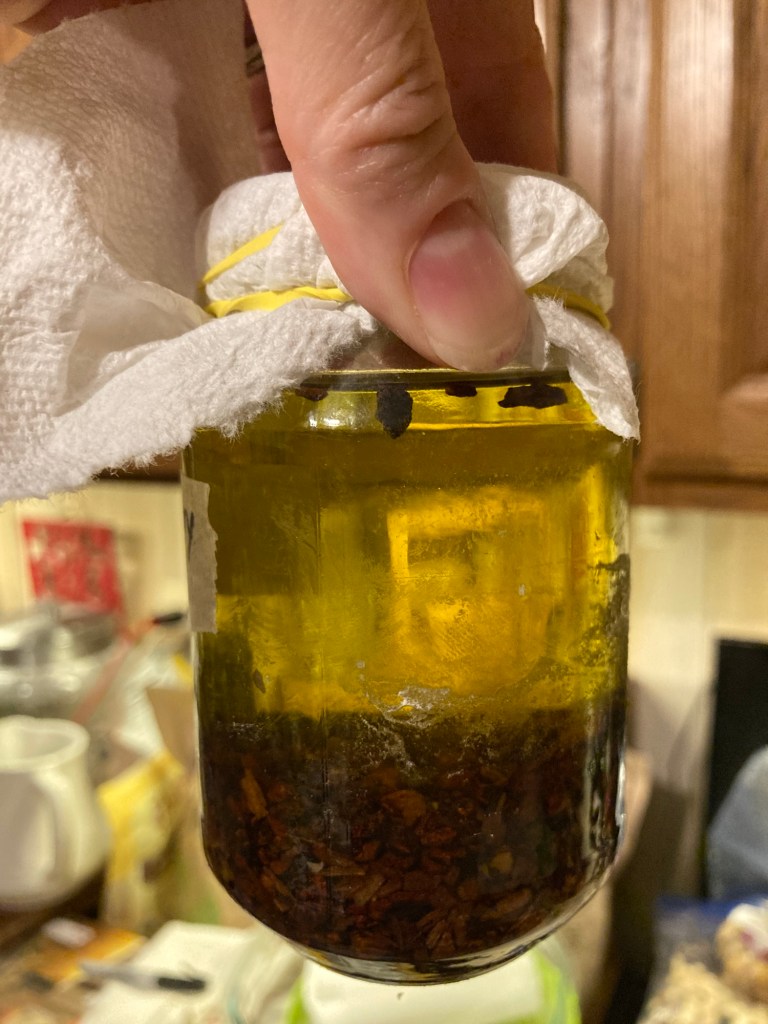
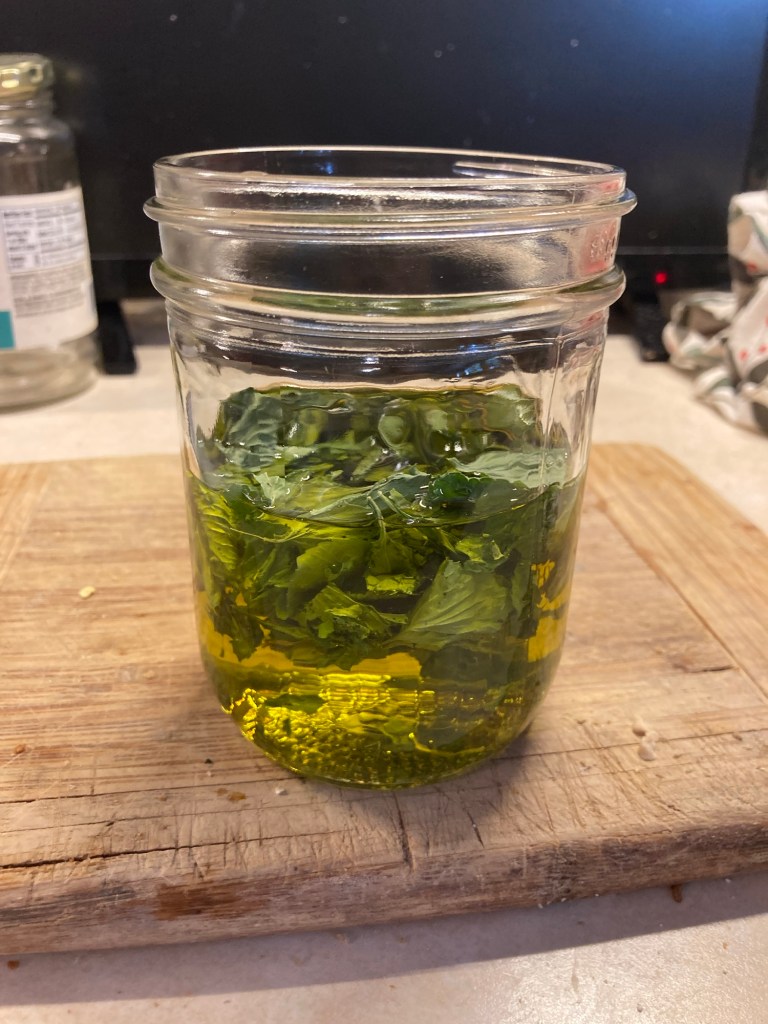
I have a collection of herbal oils at the ready (see photo above). The one I use the most in first aid situations is an essential oil blend we like to call Tiny Oil. I’ve used it since mine kids were babies for soothing and disinfecting scrapes, bites, and stings. You can find the recipe on the Homemade Baby Products Page. This is a great natural alternative to over the counter antibiotic ointment.

But, in pondering what else I would need in my herbal first aid kit, I was reminded not to discount some of the most basic things that I already have on hand. Primarily, using cloth as a bandage. 🤕

I encountered two instances recently for which I found cloth to be preferable to standard bandaids or bandages.

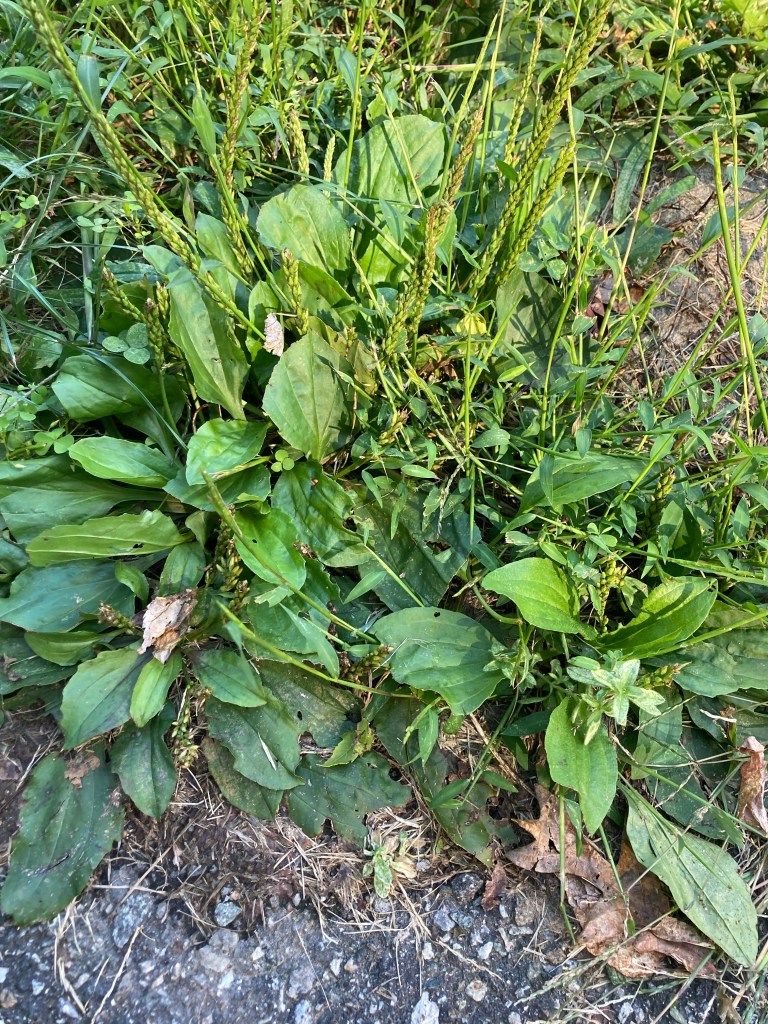
Plantain – Plantago Major

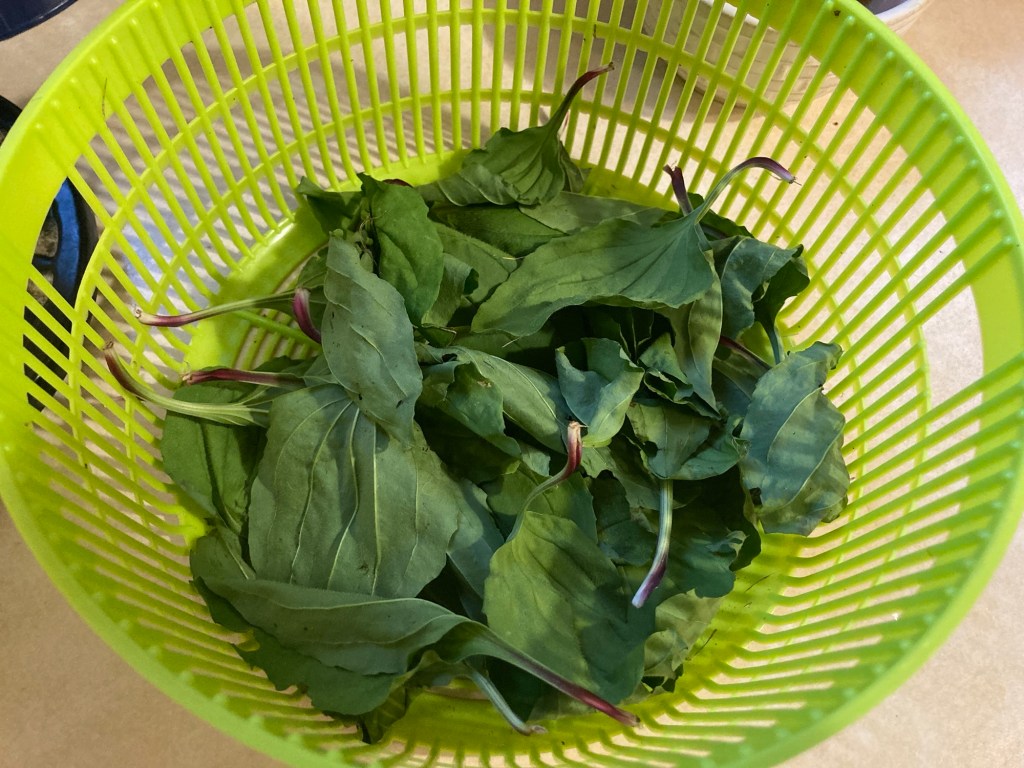
The first was a bite that I had right under my hair line that healed over on the top but still was puffy underneath. I wanted put plantain on it as well but I couldn’t put a bandaid on without pulling my hair out when it was time to take it off. Enter my cute little cloth headband. It holds the plantain in place and is fashionable at the same time. 😉

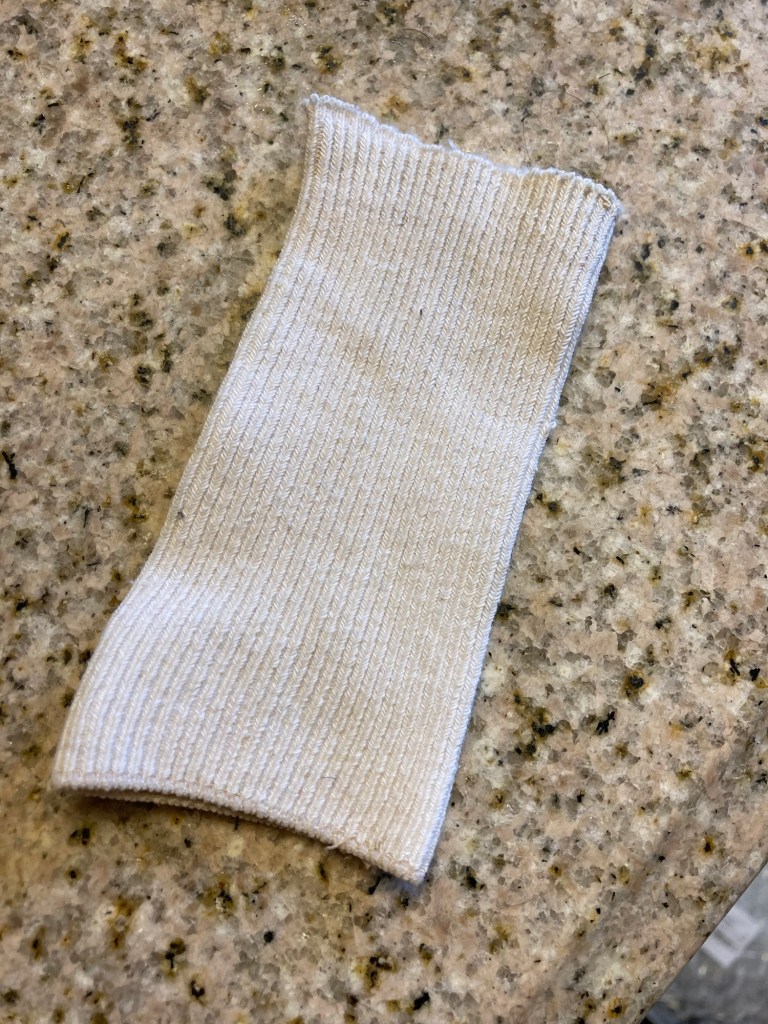
The second instance was realizing that my youngest child is very allergic to the adhesive on bandaids. 🩹I guess I don’t use them on her often. I used one to put some plantain on an old bite that she had that had gotten inflamed. Well, the bite got better, but now she has welts from the bandaid. 😞 Enter cotton baby socks. You know, all those little socks that the washing machine eats. Save them. They make excellent cloth bandages for little arms, wrists, and ankles.

Cut the cuffs off all those orphaned baby socks and add them to your first aid supplies. If you fold them over, it makes a little pocket where you can tuck loose herbs in to apply to bites, cuts, or stings.

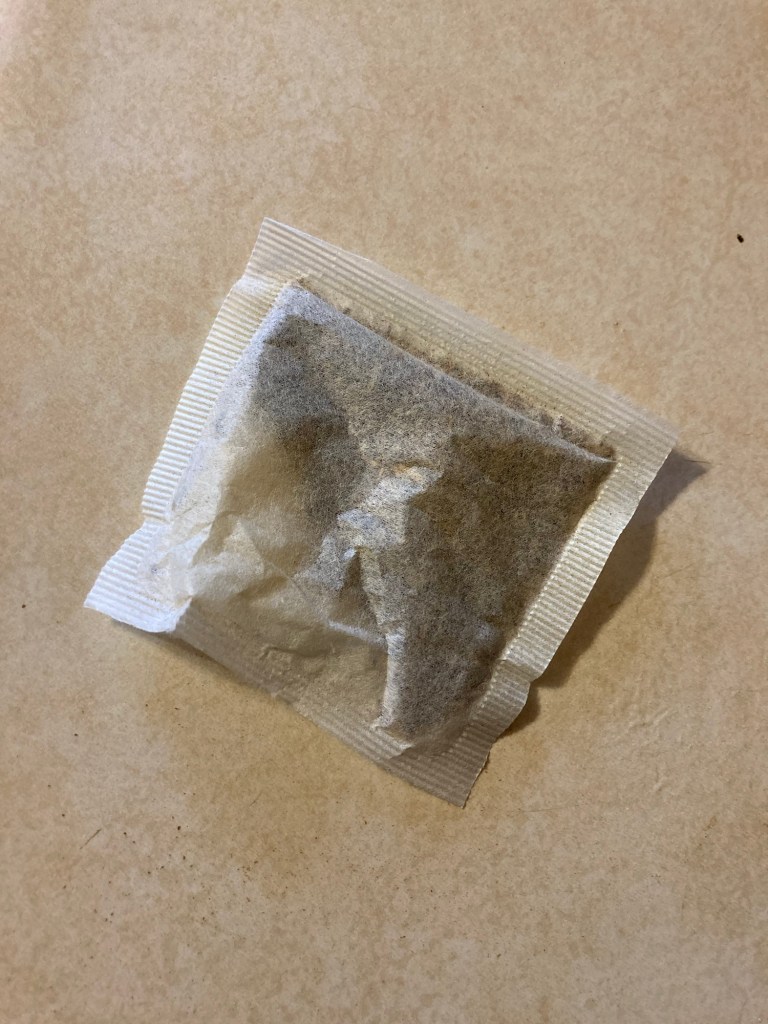
And lastly, the best remedy I’ve used for inflamed bites and stings you probably already have in your kitchen cabinet – herbal tea bags! ☕️ I’ve used this for years on my kids and it works wonders. Apply it when it is comfortably hot directly to the skin and leave until cold. The moist heat pulls out the toxins and reduces swelling. And the cuffs of those little baby socks are great for holding tea bags, plantain, or any other herb on a little person who won’t hold still, or they work if you are a grown up as well. 😊

Stay tuned for more. I’ll be posting about my Herbal First Aid kit as it comes together.

FREE Bread Webinar! 🥖🍞🥯🥐🥨

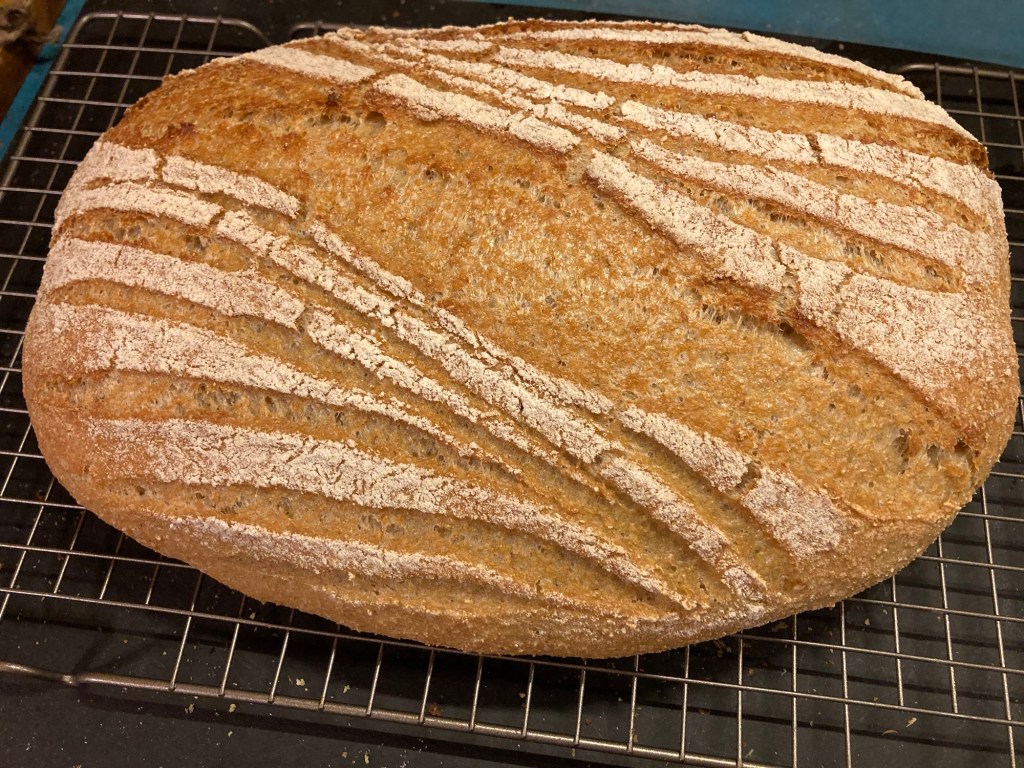
Homesteading Family is offering a free bread webinar. Carolyn will cover yeast, sourdough, and the common mistakes that cause your bread not to turn out. It’s a great mini class if you’ve been struggling with bread making at home.

You might also be interested in…..

Make Your Own Gluten-Free Sourdough from Scratch

Gluten-free Sourdough, Whole Grain Seedy Bread

What to do when your sourdough starter won’t wake up!

My other gluten-free recipes

All my sourdough recipes

All my Batter Bread recipes

Interested in making your own gluten-free yeast and sourdo

Check out the new book I wrote for Homesteading Family!

Click here for book access!

Gluten-Free Graham Cracker and Graham Cracker Crust

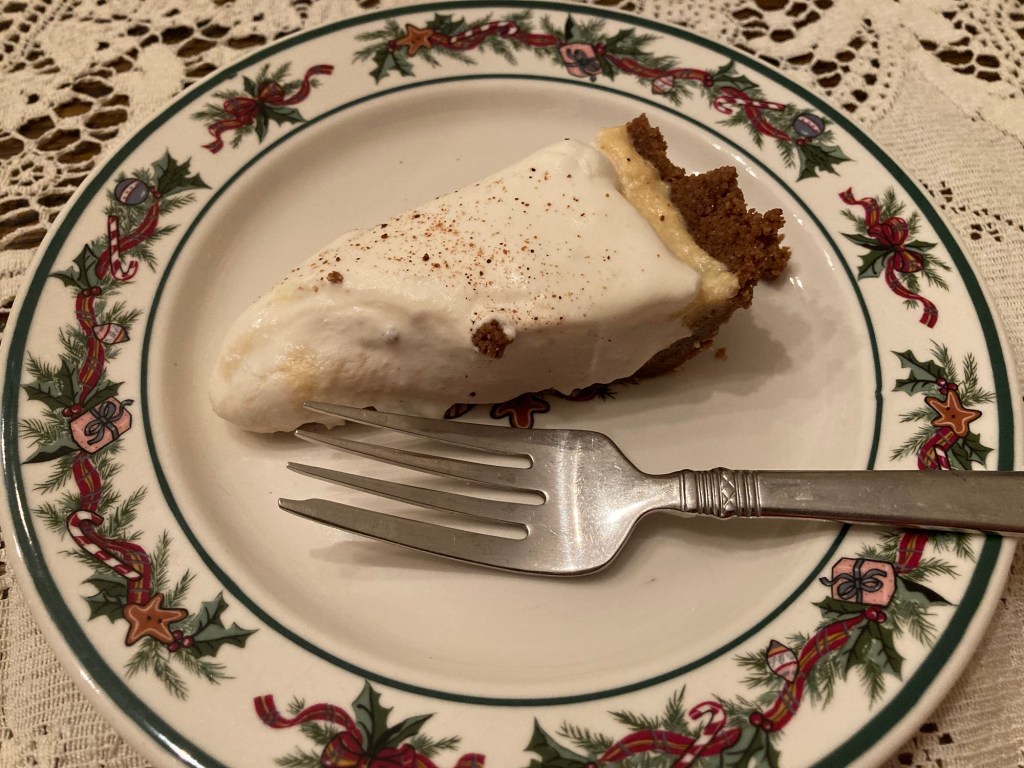
I admit that I typically do without when it comes to some gluten-free items. I often assume that they just won’t be as good and I’ll just skip it. I may need to change my attitude on that though. I was skeptical at going to the trouble of trying this GF graham cracker crust, but I was pleasantly surprised. It is flavorful, the correct texture, good leftover even after sitting with filling in it for two days, and it held together. And honestly, my non-gluten-free family preferred this pie to the one I made for the rest of them with regular graham crackers.

Here’s the recipe. Try it out. It was certainly a treat for me to have dessert that I could eat and even feel good afterwards.

Gluten-Free Pie Crust Recipe:

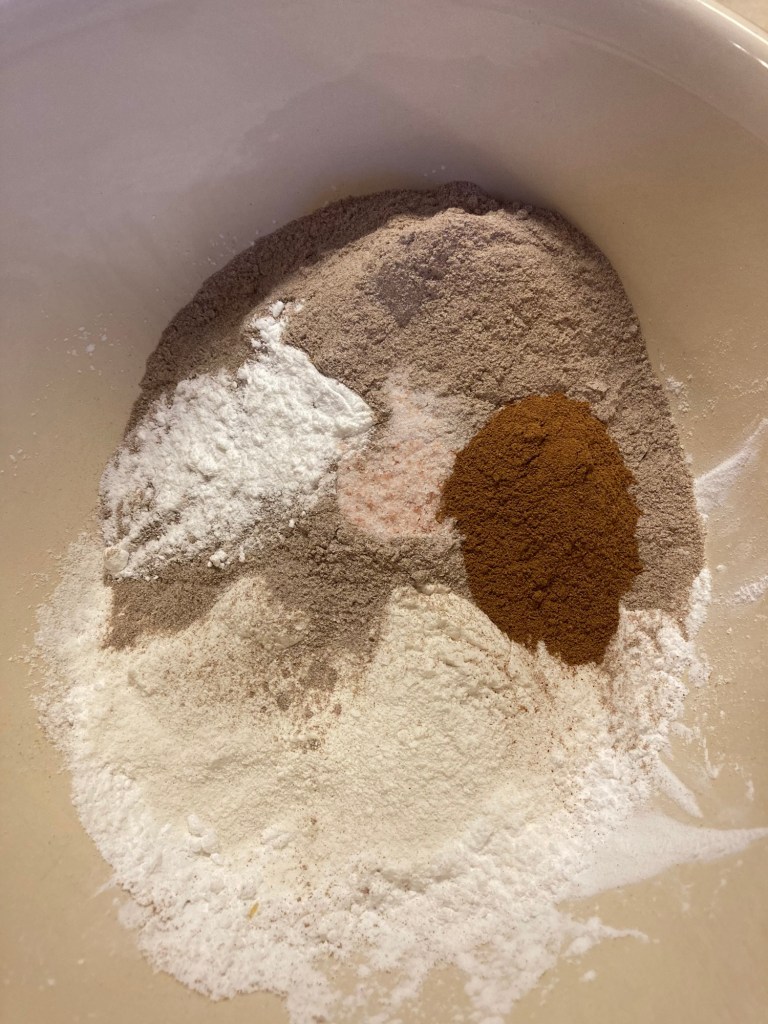
Begin by combining the following in a small bowl…

1/2 cup tapioca starch

1/2 cup sweet rice flour

1 cup teff flour (or millet if you prefer a lighter color)

1/2 tsp salt

1/2 tsp baking powder

1 tsp cinnamon

4 tsp cane sugar

Note: This dough will be dark in color because of the teff. If you prefer a lighter color cracker or crust substitute millet for the teff flour.

In a separate bowl combine the liquid ingredients.

2 egg yolks

1 tsp molasses

4 tbsp melted butter

1 tsp vanilla

3-4 tbsp milk

Combine the wet and dry together. It should be thick and soft dough. Err on the side of it being sticky rather than dry.

Roll or press on to a parchment paper lined cookie sheet. Try to get it thin – like 1/2” or thinner, but don’t worry to much about it being even. They still turn out to be tasty even if they are different thicknesses. And if you plan to turn these into a crust then it really doesn’t matter anyway.

Cut through the dough to make cracker sections using a knife or pizza cutter. Then bake at 300 degrees for 30 minutes. Check and if they haven’t browned, turn the heat up to 350 or 400 for 5 minutes.

Remove and let them cool before breaking into crackers. If making a graham cracker crust follow the instructions below.

Gluten-Free Graham Cracker Crust Recipe:

Place your most of your crackers in a food processor and grind into a crumbs and add the following…

1 tsp sugar

3-4 tbsp butter

Blend adding more butter until the crumb mixture sticks together when pressed between your fingers.

Press the mixture into a pie plate using the bottom of a measuring cup. Bake the crust at 350 degrees for 12 minutes. Remove and cool before adding your filling.

I made an eggnog custard for this pie and it turned out delicious! Enjoy!

A Sourdough Story – What to do when your sourdough starter won’t wake up

This is my gluten-free sourdough. I used it often this summer until I started to react to sourdough and other fermented foods due to a histamine intolerance. So into the fridge it went. It’s been there since June. Unpacking after our move, painting, refinishing the floors, and getting COVID means that I haven’t baked with it since. I have a friend though that asked me to make her a loaf of gluten-free sourdough bread so I thought, I’ll take this out and it will wake up, and I’ll bake some beautiful bread.

Well, it’s a week later and I still haven’t made that loaf of bread. Why? I’m still waiting for my sourdough starter to wake up! It had been stored in the fridge unfed for about 2.5 months.

But, I’m not worried. Did you know that it can take more than a week to wake up a sourdough starter that has been in cold storage for a long time.

I took this sourdough out on Wednesday. It’s now the following Wednesday and the starter is just now starting to show signs of life. A loaf of bread will be coming soon. Let me tell you how to wake up your sourdough starter after being stored for months in refrigerator.

How to Wake Up a Sourdough Starter from Long-Term Cold Storage:

1. Day 1: Take your sourdough starter out of the fridge and let it warm up on the counter overnight or for 8-12 hours.

2. Day 1, 12 Hour Mark: Feed your starter some flour and water and let it sit for 12 hours. Exact amounts aren’t super important, but over feeding is a concern here. You don’t want to over dilute your starter. My recommendation is to feed your starter about 1/4 of its total volume. So if you have 1 cup of starter, you would feed it approximately 1/4 cup of flour. If you feed it more than that, it would be like feeding someone who had just come out of a coma a five course meal. When sourdough has been hibernating for a long time, you want to gradually introduce food again or you will over dilute it and it and the microbes won’t be able to catch up and consume the food that you give it fast enough.

3. Day 2: Feed your starter again and let it sit for another 12 hours.

4. Day 2, 12 hour mark: Feed your starter a third time and let it sit for another 12 hours.

5. Day 3 through Day ?: Now you wait. Let your starter sit. You may stir your starter approximately every 12 hours until you start to see tiny bubbles form. Stirring periodically will prevent mold from forming while you wait for your starter to wake back up and ferment all that flour you just fed it. Once you see bubbles forming, don’t feed or stir the starter. Let it sit until you see some rise. The starter should double or almost double in volume. This may take another 12 hours or more to double once you start seeing bubbles. Once it has risen you can resume regular feedings and your starter is ready to use again.

Don’t be surprised if it takes a week or more to wake up your starter. After your three feedings 12 hours apart, just let it sit with occasional stirrings until you start to see bubbles. Once you are seeing some bubbles, don’t touch it. Let it sit until you see some rise. This is my starter one week after taking it out of the fridge. It’s day 8 for me and I’m just now starting to see some activity. See the tiny bubbles in the jar.

This is at the end of the day, about 12 hours after I started seeing some activity on day 8.

So don’t give up on your starter. Just give it time. Almost any starter will wake up again. I’ve known so many people who throw out their mature starter because they think it’s dead. It’s not. It’s just still asleep and hungry. You can nurse it back to being healthy and active again. It just needs some time after that long, cold nap. Even if you take it out and it’s covered with black liquid, it can be revived. That black liquid is called “hooch.” It is alcohol that is given off when the microbes are starving. So, don’t throw it out. It can still be saved.

These steps for waking up your sourdough will work for any sourdough starter made of any type of flour – wheat, spelt, gluten-free, etc. So don’t assume you’ve ruined it by leaving it in the fridge so long. Give these steps a try. It’s definitely worth a try to wake it up rather than starting a new starter from scratch.

Happy baking!

FREE Live Herbal Medicine Webinar tomorrow!

Want to learn to use the herbs that are growing outside your kitchen door more effectively? Carolyn Thomas with Homesteading Family is hosting a live Herbal Medicine webinar tomorrow 4PM ET. But don’t worry if you can’t make it live. Sign up for the webinar and you can view the replay after.

Note: This post contains affiliate links.

Gluten-Free, Dairy-Free, Sugar-Free Peanut Butter Chocolate Chip Cookies

I made these cookies up to share with a friend this week. I started mixing and realized that I had added dairy and that they needed to be dairy free. Whoops! So I made two batches. One with diary and one without. So my mistake means you get two recipes out of this one. 😊

Gluten-Free, Dairy-Free, Sugar-Free Peanut Butter Chocolate Chip Cookie Recipe:

Whisk the following in a small to medium mixing bowl:

1/3 cup peanut butter (or almond butter or other nut butter)

1 egg (or 2 egg yolks)

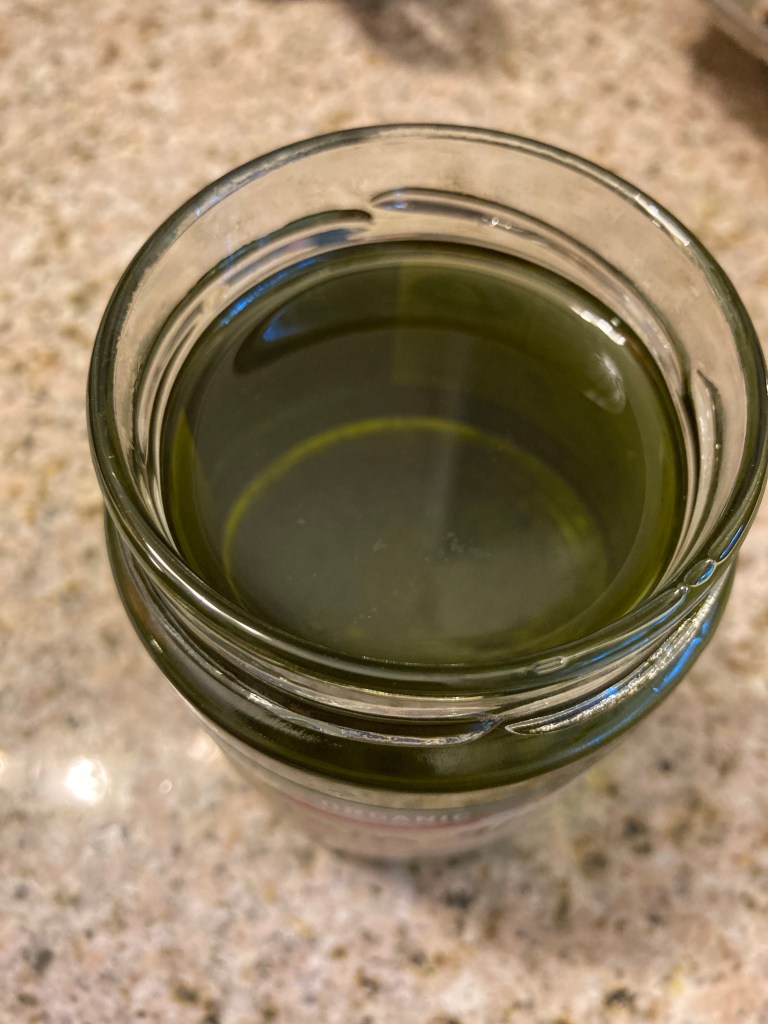
1/3 cup oil

1/2 cup honey

1/2 tsp salt

Then add…

1/2 cup water (or mill alternative)

1 tsp vanilla

Whisk until combined.

Switch to a rubber spatula and add…

1/3-2/3 cups arrowroot powder (or tapioca starch)

1/3 cup white rice flour (or brown rice flour)

1/3 cup chickpea flour

1 tsp baking powder

Stir to combine. Add more flour or water as needed to reach a thick cookie batter consistency.

Add chocolate chips of your choice. And stir to combine.

If you need a dairy-free chocolate chip, I recommend the Enjoy Life brand.

Spoon onto a cookie sheet lined with parchment paper. Bake at 350 for 10 minutes. Makes 12-18 cookies.

Now, here’s the version with dairy.

Gluten-Free, Sugar-Free Peanut Butter Chocolate Chip Recipe:

Whisk the following in a medium mixing bowl:

2/3 cups peanut butter

2/3 cups heavy cream

2/3 cups honey

1/2 tsp salt

1.5 tsp vanilla

Then add…

2/3 cups arrowroot powder (or tapioca starch)

2/3 cups white rice flour (or brown rice flour)

2/3 – 1 cup chickpea flour

2 tsp baking powder

Stir to combine. Add more flour or water as needed to reach a thick cookie batter consistency.

Add chocolate chips of your choice. And stir to combine.

If you need a dairy-free chocolate chip, I recommend the Enjoy Life brand.

Spoon onto a cookie sheet lined with parchment paper. Bake at 350 for 10 minutes. Makes approximately 24-30 cookies.

Cookie Comparison:

While both these cookies are good the ones made with the olive oil baked darker.

The cookies made with the heavy cream were softer and lighter.