
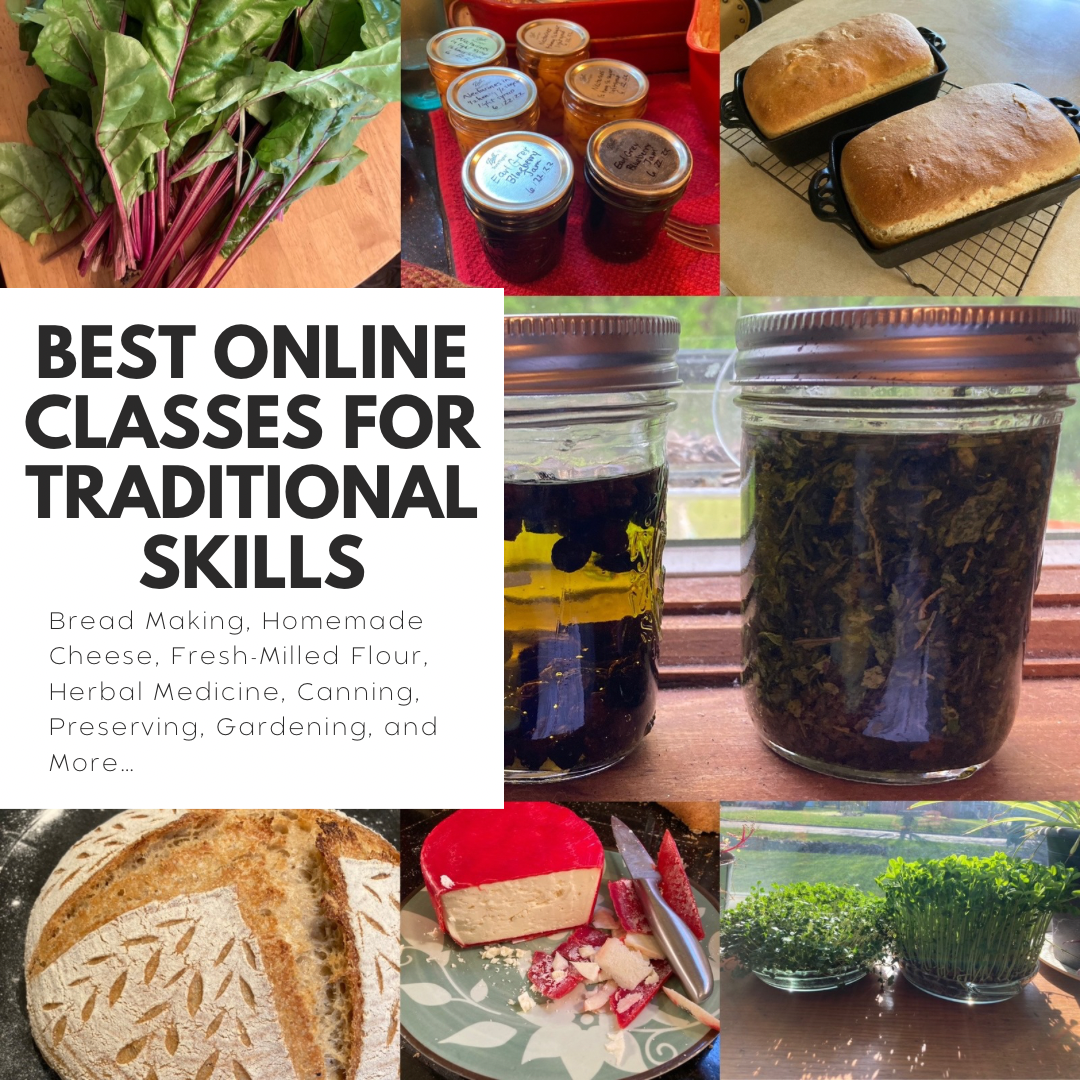
Traditional Skills That Are Making a Comeback
If you’ve followed my blog for any amount of time, you know that I love the classes at Homesteading Family. I’ve learned so much from them – bread making, sourdough, homemade cheese, canning. Their classes on herbal medicine, preserving, and permaculture are a great starting point if you are wanting to learn more about traditional homemade skills. The skills that our grandparents knew are becoming less commonly known, if not forgotten altogether, but they are so much more important to our daily lives as grocery prices soar and uncertainty looms around the corner. Consider these Homesteading Family Classes as a way to take back some of your independence and the skills we have lost.
Read to the end for a special coupon code! Take advantage of this discount code just for Maggie Lane subscribers!
Traditional Food Preparation Skills
1. The Art of Homemade Bread
This course covers yeast and sourdough. It is broken down step-by-step so that anyone can do it. If you’ve tried to make bread before and failed, this course is for you. By the end you’ll know just what to do to achieve the perfect loaf every time. What’s the secret? Knowing how to read the dough. The course gives you benchmarks at each step to know when your dough is ready for the next step.
2. Homemade Dairy Masterclass
Think you can’t make use of this class because you don’t have a cow? Think again. You can make all the recipes in this course using store-bought milk. Every recipe I’ve made have been made with milk from the store. The course starts out simple and builds your skills so that you can make the simplest fresh cheese all the way up to mozzarella or hard cheeses like cheddar and parmesan. No special equipment needed. You can use the things you already have in your own kitchen.
3. Baking with Home-Milled Flour
Want to learn the ins-and-outs of milling your own flour at home. This mini-course is a great companion to the Art of Homemade Bread class and gives you even more tips on using fresh-milled flour at home.
Food Preservation Techniques
4. The Abundant Pantry Canning Masterclass
Learn how to safely water bath and pressure can in this masterclass. This comprehensive course gives you step by step instructions in over 70 lessons. You’ll get all your questions answered and learn to can with confidence. This class will remove all the doubt in eating your home-canned food.
5. Preserving Eggs & Wild Milk!
If you have your own animals, these two classes will help you know what to do with all those eggs from your chickens and milk from your cow rather than give them to the neighbors. Learn to preserve your eggs like they are fresh for over a year, and find out how to use the good bacteria naturally present in your raw milk to your advantage.
Medicinal Herb & Garden Skills
6. The Herbal Medicine Cabinet
Discover how to grow, harvest, and prepare your own herbal remedies. This beginner course is just what you need if you’ve been wanting to learn how to make your own teas, tinctures, gylcerites, syrups, herbal vinegars, oxymels, and steams, but don’t know where to start.
7. Permaculture
Learn how to work with nature in this introductory course to growing a productive and sustainable garden. Gain the basic skills you need to maximize your food production and provide your family with good home-grown food.
Household & Kitchen Resources
8. Handmade Home
This course is part of Homesteading Family’s Homestead Kitchen Membership. It covers soap making and making your own herbal oil and salves.
9. Home Management
Gain tips on managing a busy home, homeschool, and homestead. From tips to streamline breakfast to managing your time and finding joy in your day, let this course guide you to peaceful productivity.
10. In the Homestead Kitchen Magazine
This digital and print magazine is a beautiful addition to your coffee table and a valuable resource to your kitchen. The kitchen is truly the hub of the home. Whether your homestead is acres of land or a tiny balcony garden, you can make use of these tips and recipes in any kitchen. Take your cooking from scratch skills up a notch. This will soon become your favorite cookbook!
Want access to all these classes and more?
Homesteading Family offers a monthly or annual membership to their Homestead Kitchen Community. Membership offers you all these classes plus access to members-only content and challenges.
Whether you’re seeking greater self-sufficiency, trying to balance the budget, or simply wanting to experience the joy of making things at home, these online courses offer guidance and experience that makes traditional skills accessible to anyone.
Special BONUS for Maggie Lane readers!
Enter your email below to get the Homesteading Family coupon code.
View Homesteading Family classes here.
Not ready to sign up for full class? These FREE trainings might be just what you need.
FREE Dairy Training – click the link to sign up.
FREE Canning Training – click the link to sign up.
FREE Bread Making Class – click the link to sign up.
FREE Herbal Medicine Training – click the link to sign up.
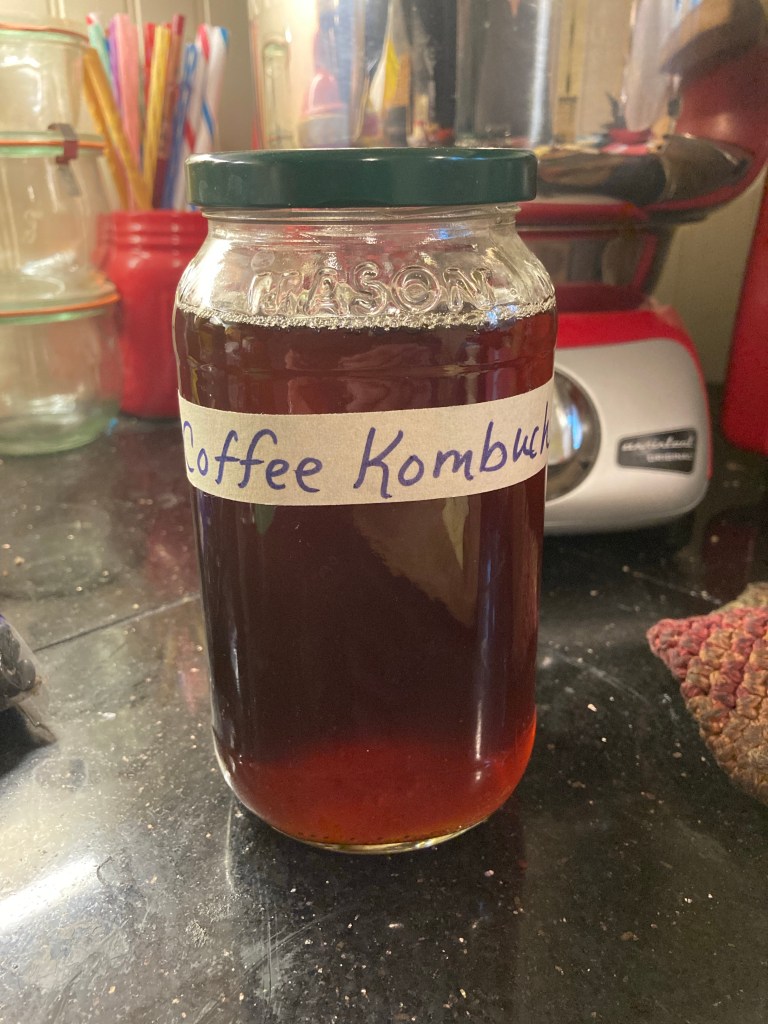
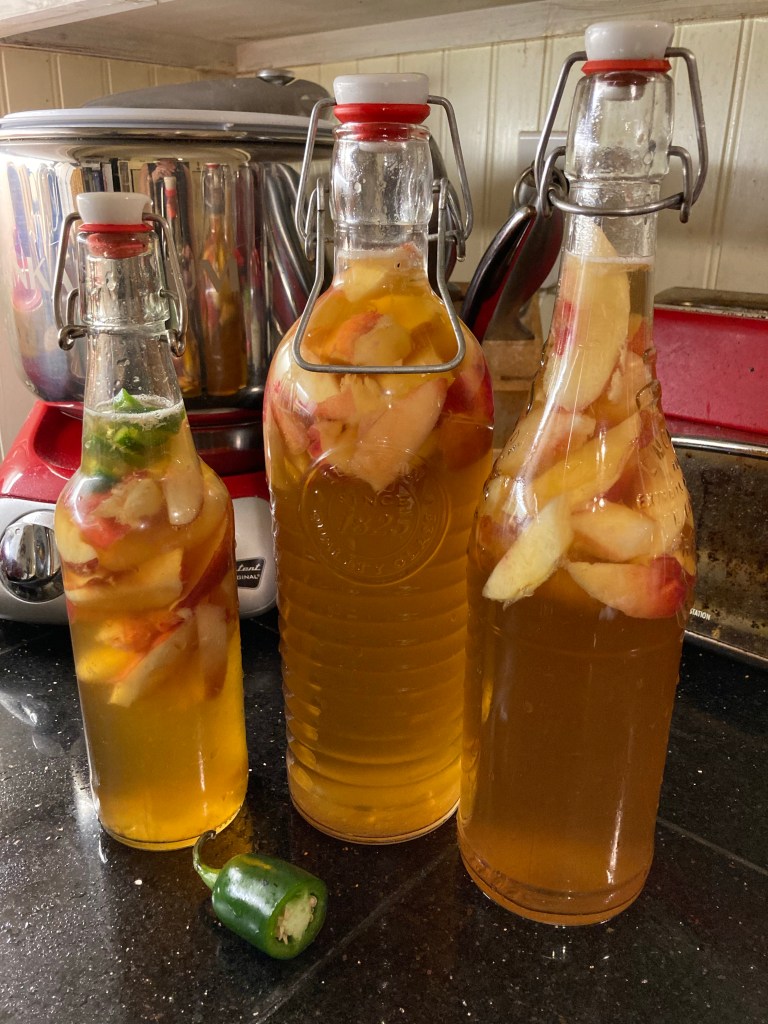


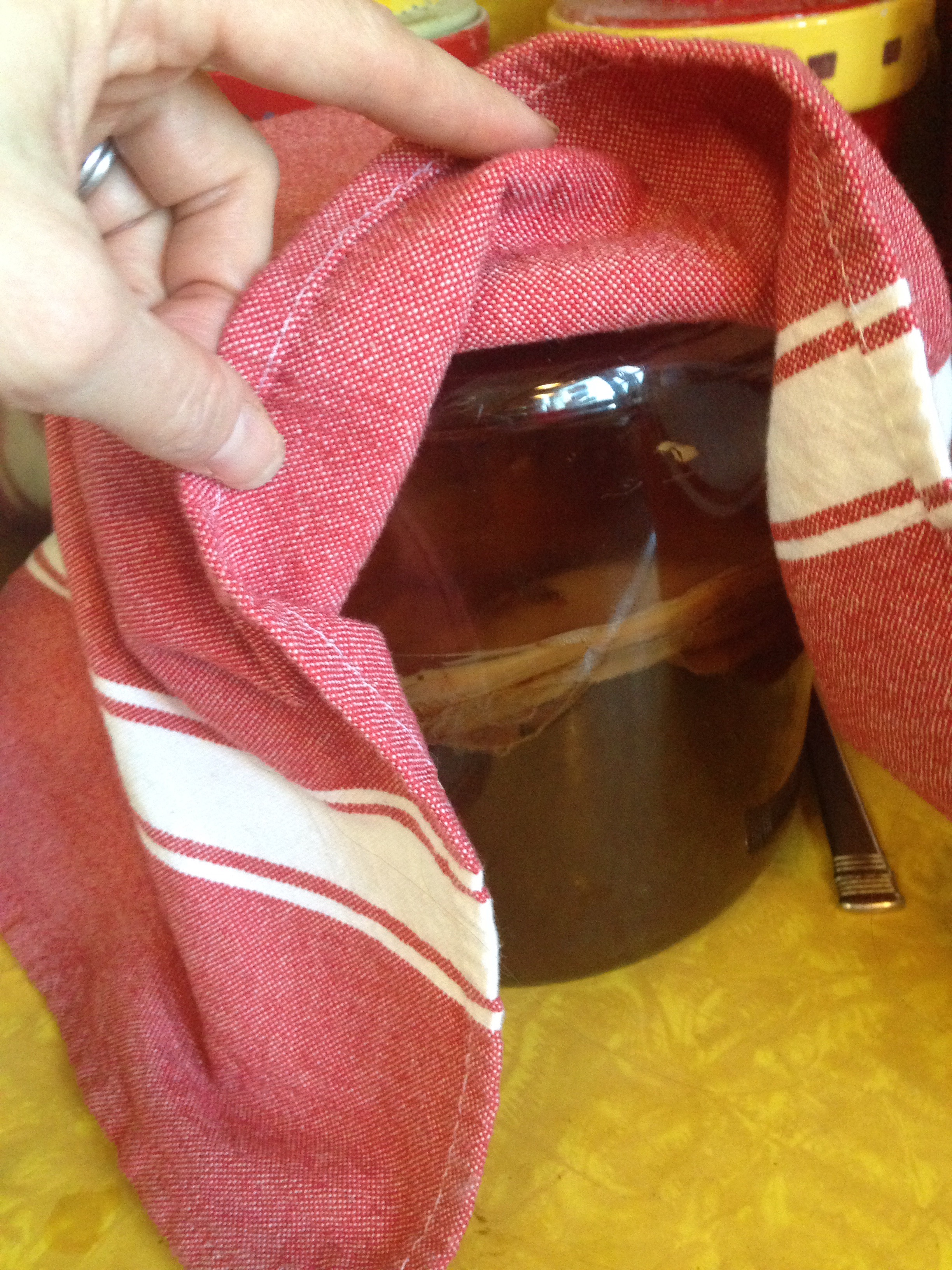

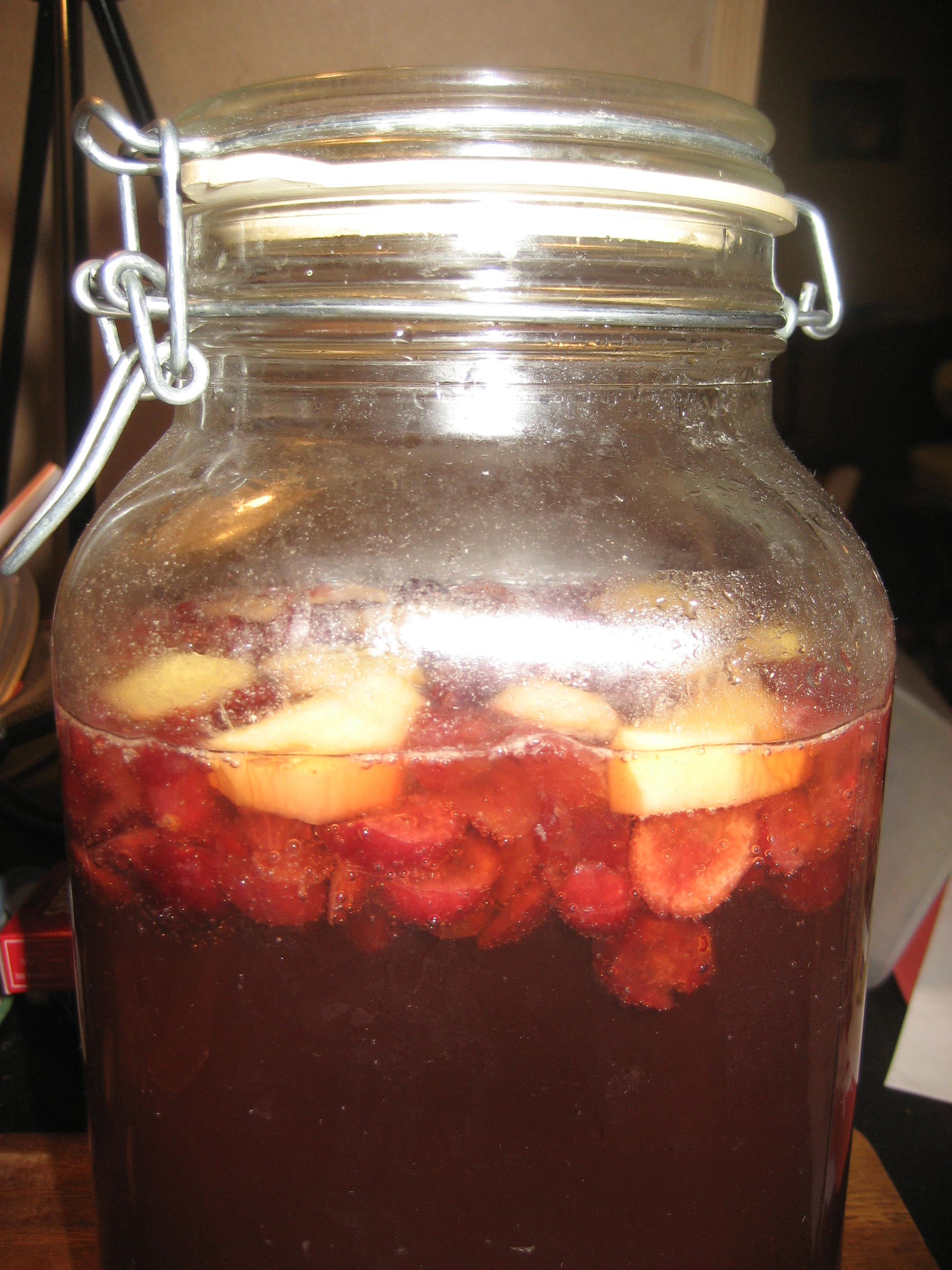
 . Then toss in about 1/2 cup of ginger root (peeled and chopped), and 1/2 cup cranberries. Let it sit again on your counter for about 3 more days. It will continue to ferment feeding off the ginger and the sugar in the cranberries. This second fermentation will also add carbonation. Be sure you release the carbonation about twice a day, otherwise the pressure will build, and as the swing top jar is designed to do, it will fly open on it’s own. If you want more carbonation, leave it on your counter for a day or two longer until the fermentation is slowed and there is very little pressure when you open the lid.
 is especially facinating as it discusses how to begin cultures and ferments using just the natural yeasts and bacteria in your environment without using purchased starters – after all that’s how Maggie would have done it – passing each starter along from friend to friend and neighbor to neighbor. So, if you don’t want to buy a starter go about it the old-fashioned way using a little modern technology to boost your efforts. Post on Facebook and ask your friends. You never know who secretly has kombucha brewing on their counter. And if you find someone they will certainly have a scoby to share and you’ll be off on your brewing adventure.


 Remembering Maggie Lane