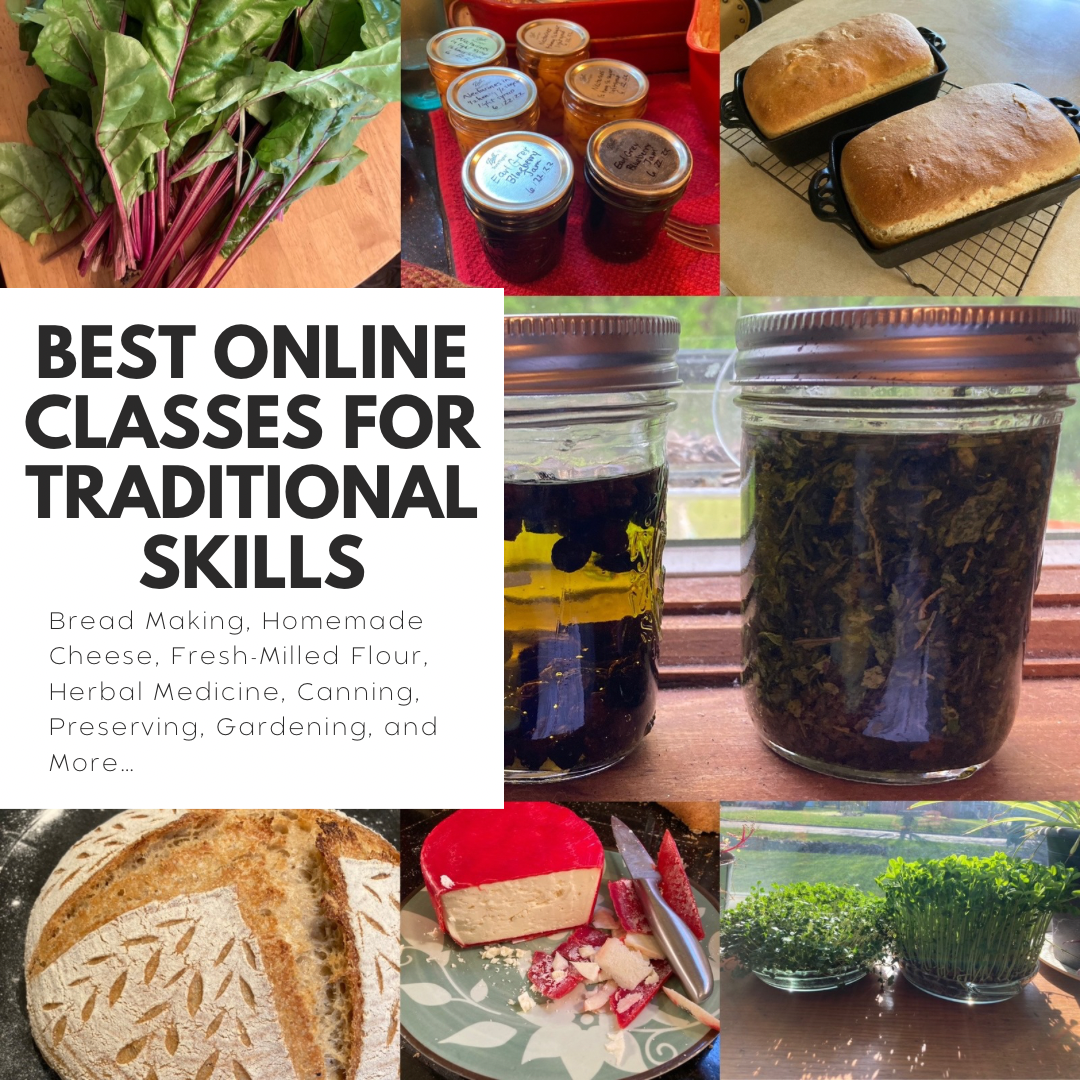
The Best Online Classes for Learning Traditional Skills – Bread Making, Fresh-Milled Flour, Homemade Cheese, Herbal Medicine, Canning, Preserving, Gardening, and More…

Traditional Skills That Are Making a Comeback

If you’ve followed my blog for any amount of time, you know that I love the classes at Homesteading Family. I’ve learned so much from them – bread making, sourdough, homemade cheese, canning. Their classes on herbal medicine, preserving, and permaculture are a great starting point if you are wanting to learn more about traditional homemade skills. The skills that our grandparents knew are becoming less commonly known, if not forgotten altogether, but they are so much more important to our daily lives as grocery prices soar and uncertainty looms around the corner. Consider these Homesteading Family Classes as a way to take back some of your independence and the skills we have lost.

Read to the end for a special coupon code! Take advantage of this discount code just for Maggie Lane subscribers!

Traditional Food Preparation Skills

1. The Art of Homemade Bread

This course covers yeast and sourdough. It is broken down step-by-step so that anyone can do it. If you’ve tried to make bread before and failed, this course is for you. By the end you’ll know just what to do to achieve the perfect loaf every time. What’s the secret? Knowing how to read the dough. The course gives you benchmarks at each step to know when your dough is ready for the next step.

2. Homemade Dairy Masterclass

Think you can’t make use of this class because you don’t have a cow? Think again. You can make all the recipes in this course using store-bought milk. Every recipe I’ve made have been made with milk from the store. The course starts out simple and builds your skills so that you can make the simplest fresh cheese all the way up to mozzarella or hard cheeses like cheddar and parmesan. No special equipment needed. You can use the things you already have in your own kitchen.

3. Baking with Home-Milled Flour

Want to learn the ins-and-outs of milling your own flour at home. This mini-course is a great companion to the Art of Homemade Bread class and gives you even more tips on using fresh-milled flour at home.

Food Preservation Techniques

4. The Abundant Pantry Canning Masterclass

Learn how to safely water bath and pressure can in this masterclass. This comprehensive course gives you step by step instructions in over 70 lessons. You’ll get all your questions answered and learn to can with confidence. This class will remove all the doubt in eating your home-canned food.

5. Preserving Eggs & Wild Milk!

If you have your own animals, these two classes will help you know what to do with all those eggs from your chickens and milk from your cow rather than give them to the neighbors. Learn to preserve your eggs like they are fresh for over a year, and find out how to use the good bacteria naturally present in your raw milk to your advantage.

Medicinal Herb & Garden Skills

6. The Herbal Medicine Cabinet

Discover how to grow, harvest, and prepare your own herbal remedies. This beginner course is just what you need if you’ve been wanting to learn how to make your own teas, tinctures, gylcerites, syrups, herbal vinegars, oxymels, and steams, but don’t know where to start.

7. Permaculture

Learn how to work with nature in this introductory course to growing a productive and sustainable garden. Gain the basic skills you need to maximize your food production and provide your family with good home-grown food.

Household & Kitchen Resources

8. Handmade Home

This course is part of Homesteading Family’s Homestead Kitchen Membership. It covers soap making and making your own herbal oil and salves.

9. Home Management

Gain tips on managing a busy home, homeschool, and homestead. From tips to streamline breakfast to managing your time and finding joy in your day, let this course guide you to peaceful productivity.

10. In the Homestead Kitchen Magazine

This digital and print magazine is a beautiful addition to your coffee table and a valuable resource to your kitchen. The kitchen is truly the hub of the home. Whether your homestead is acres of land or a tiny balcony garden, you can make use of these tips and recipes in any kitchen. Take your cooking from scratch skills up a notch. This will soon become your favorite cookbook!

Want access to all these classes and more?

Homesteading Family offers a monthly or annual membership to their Homestead Kitchen Community. Membership offers you all these classes plus access to members-only content and challenges.

Whether you’re seeking greater self-sufficiency, trying to balance the budget, or simply wanting to experience the joy of making things at home, these online courses offer guidance and experience that makes traditional skills accessible to anyone.

Special BONUS for Maggie Lane readers!

Enter your email below to get the Homesteading Family coupon code.

View Homesteading Family classes here.

Not ready to sign up for full class? These FREE trainings might be just what you need.

FREE Dairy Training – click the link to sign up.

FREE Canning Training – click the link to sign up.

FREE Bread Making Class – click the link to sign up.

FREE Herbal Medicine Training – click the link to sign up.
Note: This post contains affiliate links.

Free Dairy Webinar!

Carolyn with Homesteading Family is offering a free dairy webinar!

Click the link above to sign up!

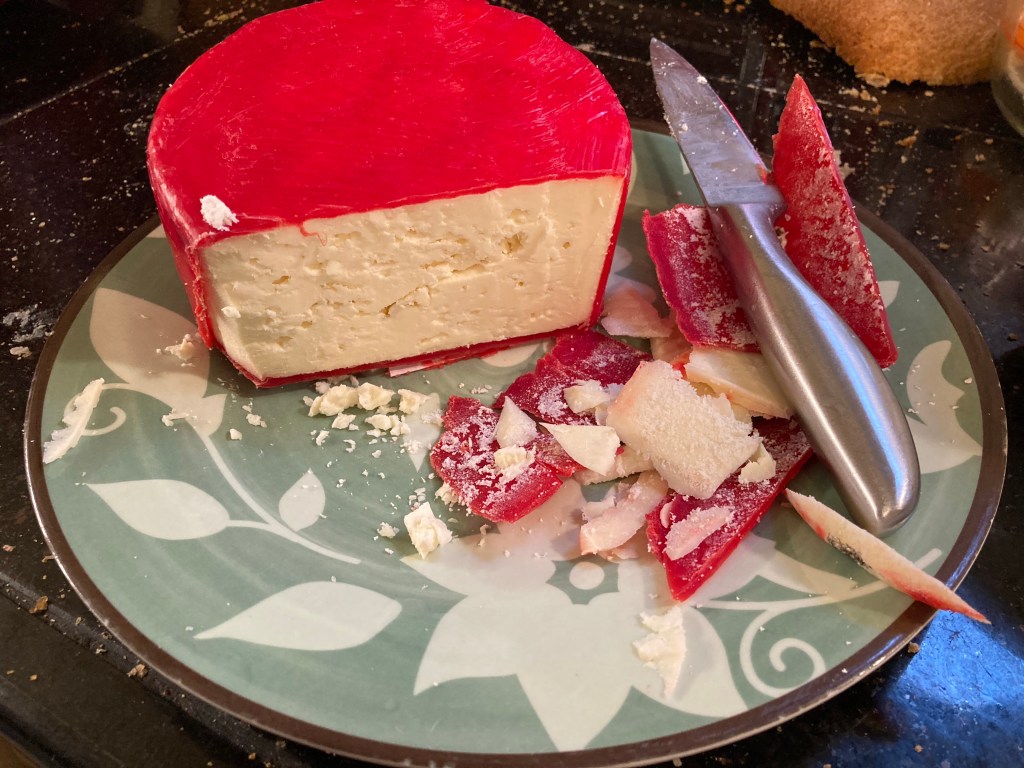
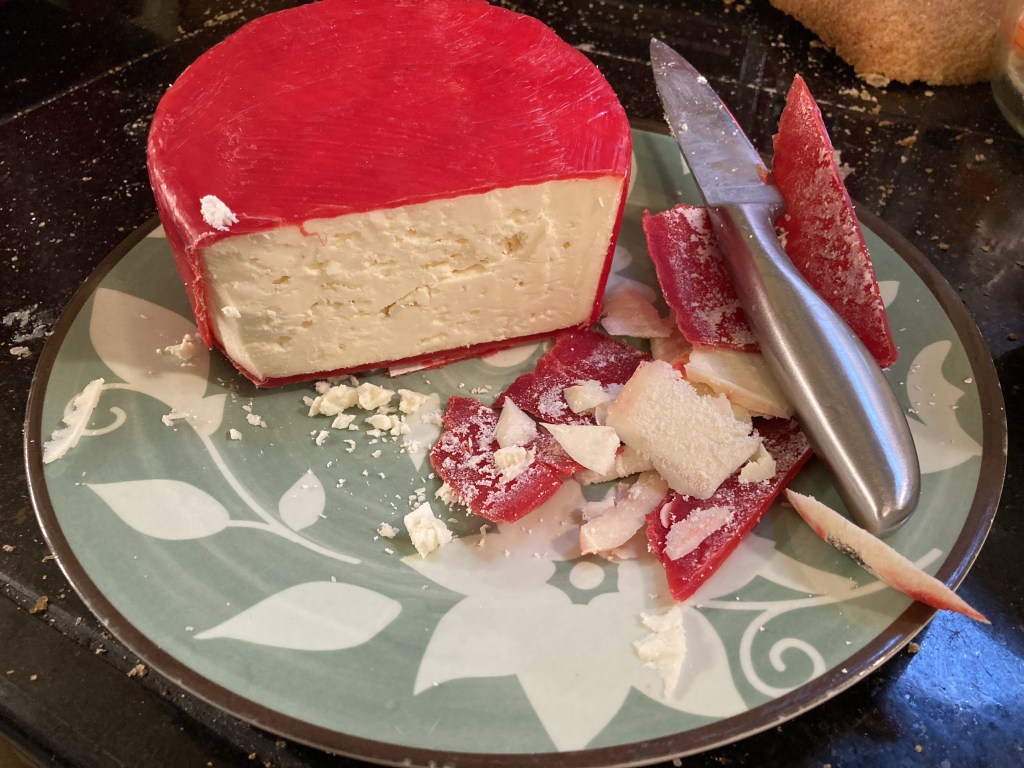
I learned how to make the cheddar cheese shown above from Carolyn’s class and I can’t recommend it highly enough. She takes you step by step from fresh dairy products, and fresh cheeses, to hard aged cheeses. And all her recipes can be made with store bought milk! This is a huge bonus for me since I live in a state where you can’t buy fresh raw milk.

Join the free webinar or check out the Practical Homemade Dairy course if you’ve ever had an interest in making your own cheese and dairy products. I enjoy making them myself because I can control the type of culture that I use to make sure that it is one that we can eat since some dairy cultures bother us.

Enjoy! I hope you’ll join me on this cheese adventure! 😊 And just in case you decide to jump in, click this link to find my favorite cheese mold and this is my all time favorite cheese making book – Mastering Basic Cheesemaking by Gianaclis Caldwell. If you want the basics in book form, this is the one to get!

And if you can’t make the webinar live, don’t worry! Sign up anyway. There is always a replay. 😊

Note: This post contains affiliate links.

Why make things from scratch?

Those of you that know me, know that I work hard in my kitchen and work my kitchen hard. I make many things like bread, pasta, broth, ferments, jams, kombucha, and cheese that most people buy at the store. I do this not because I necessarily love the challenge of mastering these skills, but because it means that I can control the ingredients and the quality so that we can eat these foods that we would otherwise have to avoid if store bought were my only option.

I honestly can say that Homesteading Family’s the Art of Homemade Bread Class 🍞and Practical Homemade Dairy 🥛 have been life changing for our family, Caleb and I in particular, in terms of the variety and quality of foods that we can eat.

Consider signing up for Carolyn’s free Dairy training. Carolyn gives lots of great info away in these trainings. It’s always good to have something to listen to while you cook or clean.

And even if you don’t aspire to make cheese there are lots of easy recipes to use with fresh dairy – butter and homemade coffee creamer. Mmmm. 😋 And did you know you can easily make buttermilk, yogurt, sour cream, and ricotta easily with no special equipment? Or you can try your hand making your own cheddar, mozzarella, Parmesan, and more. 🧀

If you’ve read this far, click here to join the fun. the link and check it out.

Other posts you might like:

Easy Homemade Cheese 3 Ways

Homemade Boursin Garlic & Herb Soft Cheese

Wild Milk, Clabber, and Cheese

My Collection of Sourdough Recipes

Lemon Cranberry Relish

Cranberry Orange Scones

Homemade Sour Cream

Did you know that you can make your own sour cream at home?

All you need is two ingredients – heavy cream (any kind is fine, but the less additives the better) and buttermilk with live active cultures.

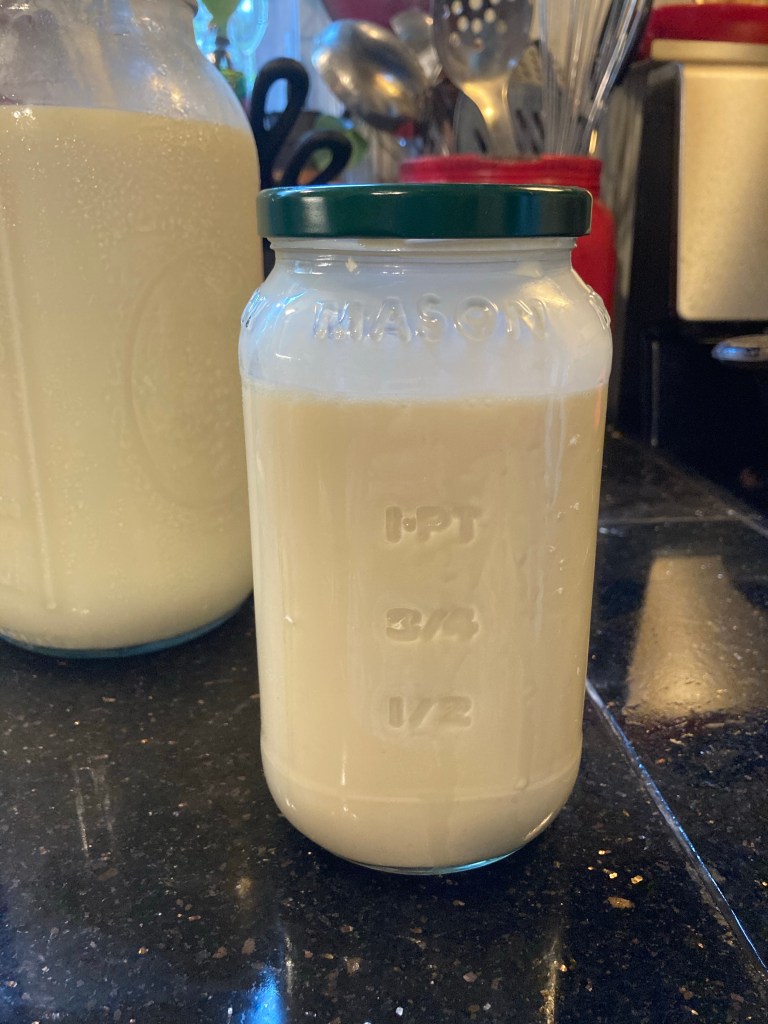
In a clean, dry jar, pour 1 cup of fresh heavy cream from a newly opened carton and add 1 tablespoon of buttermilk. Put on the lid and shake vigorously. Let the jar sit on the counter undisturbed for 6 hours or overnight until the whole mixture thickens and sets.

The key success with this recipe is to use fresh buttermilk with live cultures AND to use heavy cream from a carton that has just been opened. If the carton has been previously opened, you will need to pasteurize your heavy cream to 165 degrees F and then let it cool to room temperature before adding your buttermilk. If you add the buttermilk to the cream while it is hot it will kill the cultures and you won’t end up with anything but a tangy heavy cream and you’ll be back where you started.

If you have access to raw milk you can also use a culture from some of your milk that has clabbered to make some wild sour cream. Simply follow the instructions above replacing the buttermilk with clabber. It works quite well and some people, like my son, tolerate the wild culture better than the cultures in the buttermilk. You can use the cream that you have skimmed from your fresh milk, or cream from the store, and both work fine to make this sour cream at home.

Once the cream has set, store in the refrigerator and use within two weeks.

You can also keep your culture going perpetually if you make a new batch within 7-10 days of culturing the last batch. And if you need extra, just double or triple the recipe. It works great!

Want to learn to make cheese at home?

Consider Homesteading Family’s Free Dairy Training. I love their Practical Homemade Dairy Masterclass. That’s where I learned to make cheese. I’ve made many delicious cheeses using my wild clabber culture and store bought milk. Happy dairy making!

Stay tuned for an allergy friend recipe for homemade, sugar and vinegar free ranch dressing….

Note: This post contains affiliate links.

Homemade Boursin Garlic & Herb Soft Cheese

You can make this in a matter minutes, the ingredients will cost 1/4 of the price, and you’ll end up with 4x the cheese.

First begin by making this Soft Cheese recipe. It couldn’t be easier.

Homemade Boursin Garlic & Herb Cheese:

For 1 gallon of milk, stir in the following:

1/4 tsp salt

1/4 tsp black pepper

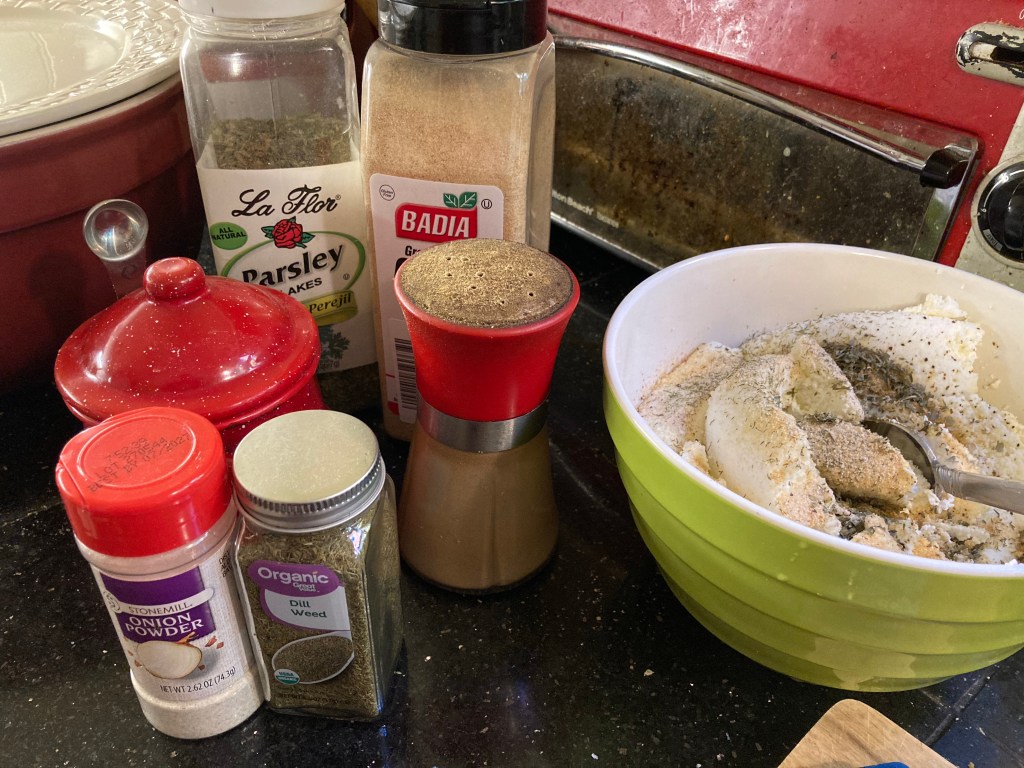
1 1/2 tsp granulated garlic

3/4 tsp onion powder

2 tsp dried parsley

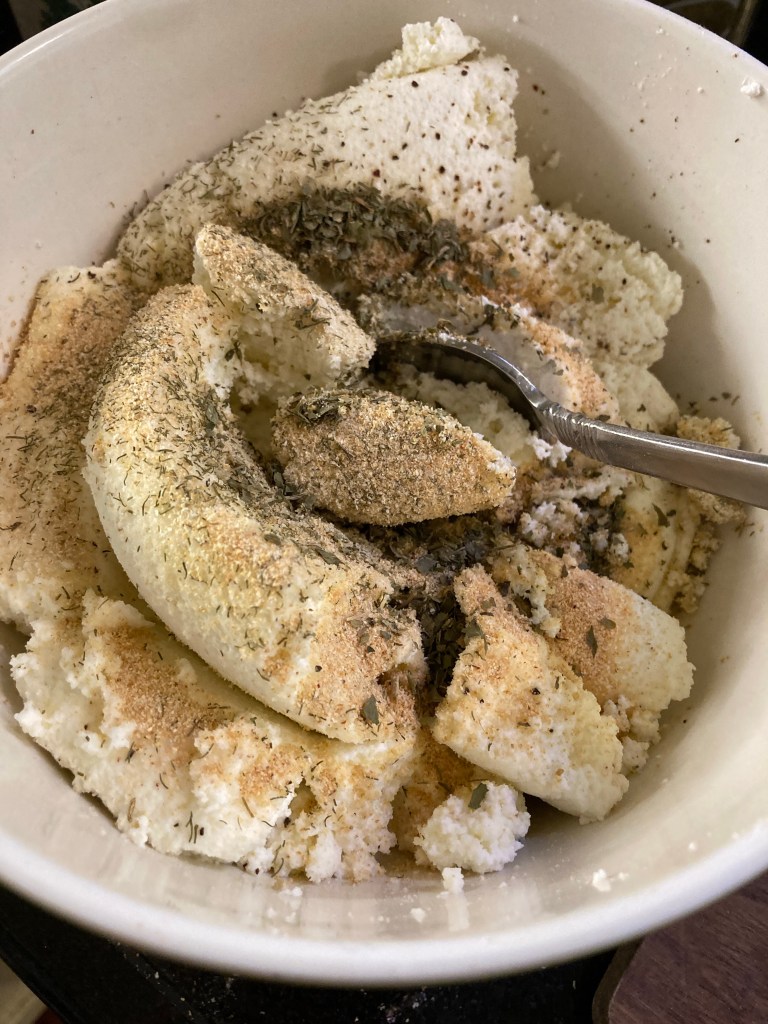
Adjust the seasonings to your own tastes. I have also tried this recipe with dill for a little added punch and it’s got a little flare reminiscent of Ranch dressing.

Refrigerate this cheese and consume within 7-10 days.

Easy Homemade Cheese 3 Ways – Soft Cheese, Ricotta, or Cream Cheese

Easy Homemade Cheese:

This cheese couldn’t be easier. All you need is a gallon of whole milk that has not been ultra-pasteurized, a big pot, colander, tea towel or cheese cloth, lemon juice, and milk.

This recipe yields about 1 pound plus of cheese. If you want a smaller batch, this recipe can also be halved. Just buy a half gallon of milk instead.

Ingredients:

1 gallon whole milk (not ultra-pasteurized)

¼-½ cup acid such as lemon juice or vinegar

¼ tsp salt

Optional Ingredients:  seasonings like pepper, garlic, chives, and parsley for a savory cheese, or your favorite jam for something sweet.

Tools:

Cheesecloth or non-fuzzy tea towel

Colander

Large heat proof bowl 

Heavy bottom pot (stainless steel, enameled cast iron, or Instant Pot)

Digital food thermometer (optional)

Instructions:

  1. Pour 1 gallon of milk into an Instant Pot or heavy bottomed pot. Heat until the milk is steaming or until a thermometer reads 185 degrees F. If using the Instant Pot, pour the milk in and select the Yogurt setting. When the display reads Yogt, the milk has been sufficiently heated.
  2. Add ¼ cup of your acid and stir. Let the milk sit for 10 minutes. If it doesn’t begin to separate and curdle, then check your temp and heat your milk so that it is a little hotter, or add 2 tbsp more acid at a time stirring to distribute the acid through the milk. Do this until you begin to see the curds separate into greenish looking whey.
  3. Once you see the separation, let the curds sit in the whey for 10 minutes.
  4. Line your colander with the cheesecloth or tea towel and pour the whey into the colander being careful not to burn yourself. There will be lots of whey. Be sure the bowl doesn’t overflow.
  5. Once all the contents of the pot have been poured into the colander, move the colander over to the pot to continue draining until the desired texture has been achieved. If you wish a drier, more crumbly cheese, let it drain longer. If you desire a softer, more spreadable cheese, drain less. 
  6. Add salt and seasonings if desired and mix through the cheese.
  7. Serve immediately, or store in an airtight container in the fridge. Consume within 7-10 days.

Soft Spreadable Cheese: Simply drain drain the whey, salt and either immediately warm, or cool and refrigerate until needed. If your cheese is too dry, simply add a little bit of the whey that you poured off and stir back in until the desired soft texture is reached.

Ricotta: Follow the instructions above but drain a little longer until the cheese is a little drier and the curd is crumbly.

Cream Cheese Variation: If you desire a smoother, cream cheese texture, run your cheese through the food processor until smooth. This can be used as a cream cheese substitute. If your cheese is too dry, and won’t blend to a smooth texture, simply add some of the whey back in until the desired texture is achieved.

This cheese is great spread on crackers with a little of your favorite jam to sweeten it up. 😊

Note: Leftover whey from cheese can be used in baking or to water acid loving plants.

Want to learn more….

Consider Homesteading Family’s Practical Homemade Dairy Course (affiliate link) if you’re interested in creating more homemade dairy products in your kitchen. Carolyn covers basic fresh dairy products that you can make in your kitchen like homemade coffee creamers and butter, and then she moves on to cultured dairy like buttermilk and sour cream, and finally easy and advanced cheeses. It’s definitely an all in one course. My family has benefited as now I can make cheese for my son that he can eat because I can control the cultures that are added. It’s the most comprehensive homemade dairy course out there.

Ferments on the Road

Meet my favorite ferments.

From left to right….

My wheat sourdough starter (half all purpose and half whole wheat), my delicious fermented cranberry lemon honey, my gluten-free sourdough starter, and my homemade wild sour cream.

My family and I hit the road this summer for a 3,000 mile road trip to visit family, and these little guys came along for the ride.

I packed them carefully in my electric cooler and at each place we stay I’ve been able to bake bread for my family, cranberry lemon scones for the aunts, uncles, and cousins, GF bread for my SIL, and most importantly, I can keep my clabber culture going so that I can make cheese once we get home. It needs to be fed weekly and would have certainly died while we were away if I had left it at home.

Ferments can behave differently during the summer. Changes in temperature, humidity, barometric pressure, elevation, all affect how your cultures perform and you need to know them well enough to adjust your technique accordingly. At the lake where we are at a higher elevation than at home in New York, my sourdough and yeast breads rise faster, and my clabber takes longer to culture because of the cooler temperatures. Each ferment has a personality. You have to get to know it and adjust how you use it accordingly. For example, I have to watch the rise on my breads much more closely and reduce the amount of yeast that I use. I have to allow more time for my clabber to set up for fresh homemade sour cream.

I plan to start some new cheeses when I get home. And you’ll probably see some new fermented vegetables on my counter once I get back to my garden.

What’s bubbling in your kitchen this summer?

Need some ideas for what to ferment first? Or do ferments intimidate you and you don’t know where to start? Homesteading Family has some great courses to get your creative juices flowing and things bubbling in your kitchen. Check out their courses on The Art of Homemade Bread which includes sourdough, Fearless Fermenting, and Practical Homemade Dairy (affiliate links).

Wild Milk, Clabber, and Cheese

I have a wild clabber culture that I have kept going this last year with one batch of raw milk that my in-laws were able to bring me. I make a little batch of wild sour cream with it every week. If we don’t eat the sour cream, I use it up in baking to keep the culture going. I even travelled with my culture while we were away this summer to try and keep it alive since it needs to be cultured weekly.

My summer goal is to use this wild culture to make hard cheese for my son. If I had a regular source for raw milk, this would be easy. But I don’t. So my aim is to use store bought milk and my wild culture to achieve a cheese that my son can eat since store bought cultured dairy products and cheese brother him. Yet he does well on raw milk and my wild clabber culture.

We’ve done without cheese for so long, I’m really hoping that I can develop a successful recipe using my wild culture and store milk so that we can add back in some of our favorite family recipes. Let’s face it, pizza and enchiladas just aren’t the same without cheese.

So stay tuned as I post my progress. And I’m the meantime, if you’d like to delve into the world of homemade dairy, check out Homesteading Family’s Homemade Dairy Masterclass (affiliate link). It’s how I’ve learned and you definitely don’t have to have a milk animal to make all the recipes in the class. Everything I’ve made so far – butter, dairy creamer, sour cream, wild buttermilk, feta, ricotta, hard cheese, have been made all using store bought milk. And there are so many recipes that I haven’t tried yet. It’s definitely chock full of content.

And if you see this post before July 27, 2022, be sure to register for a free Practical Homemade Dairy Webinar (affiliate link) if you want to get your feet wet and see if the Masterclass is right for you.

I’m excited to make some cheese! Who wants to join me?