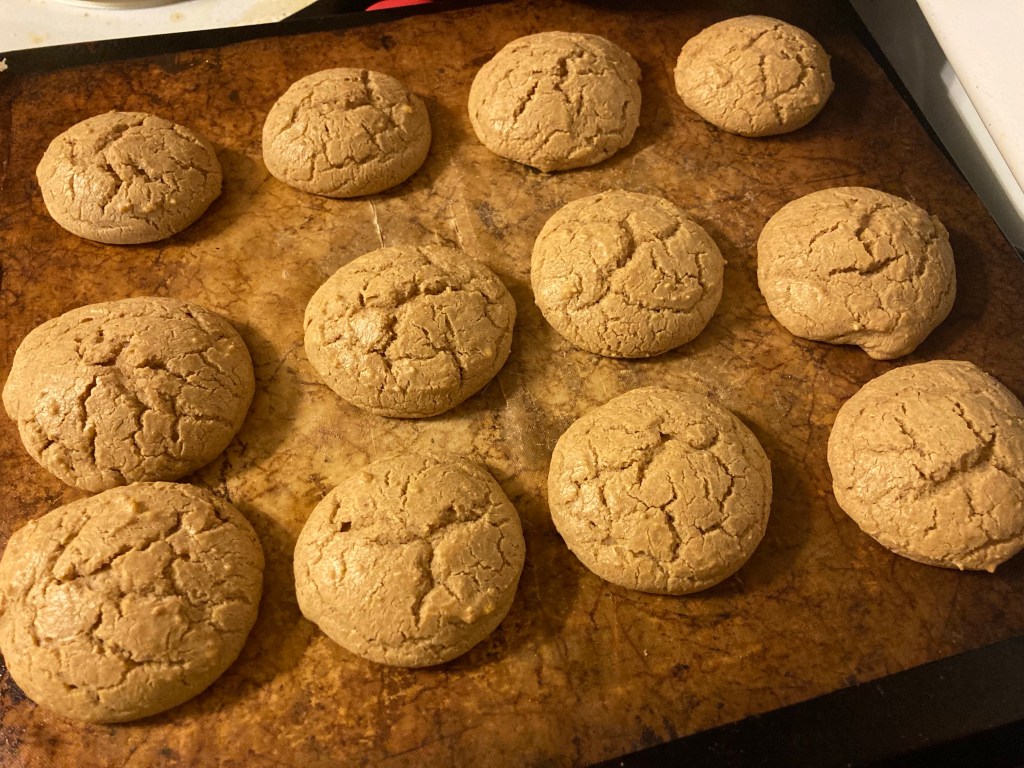
This recipe came about by accident. I was experimenting with recipe that I could use for Christmas morning as a gluten-free sweet roll option, and happily my mistake turned out delicious. The nice thing is that this recipe is really a three-in-one recipe. With the same base recipe you can make a delicious gluten-free sweet roll or biscuit either egg nog or cinnamon roll flavored, but one little tweak and it is an excellent whole grain gluten-free English Muffin.
So if you have any leftover egg-nog from Christmas Eve, pull it out of the fridge and give this recipe, or one of its variations a try.
Gluten-free Sweet Egg Nog Biscuit Recipe:
Combine the following into a bowl:
1 egg yolk
2/3 cups egg nog
3 tbsp oil
1/2 tsp salt
2 tsp lemon juice
Whisk to combine.
In a separate bowl add…
1/2 cup sweet rice flour
1/2 cup tapioca starch
1/3 cup teff
1 tsp baking powder
1 tbsp frozen or hard butter, grated into flour
After the butter has been stirred into the flour add your liquid ingredients and stir until all the flour is combined and the batter has a light and fluffy texture. It should be the texture of a thick cake batter. Add more flour or liquid as needed. Cover and let the batter rest for 30 minute. Don’t skip the rest period or the final texture will be sub-par.
Preheat the oven to 375 degrees. Pour into greased crumpet rings laid out on a cookie sheet over parchment paper. (I like reusable parchment paper. Have you tried it?)
Bake at 375 for 20 minutes. Gently remove from rings and cool on a wire cooling rack.
These are delicious served warm with butter and a little sugar sprinkled on top.
Cinnamon Roll Biscuit Recipe:
For this version make the following changes to the above recipe.
Add 1 tsp cinnamon to the dry ingredients.
Use 2 egg yolks rather than one, 1/2 cup heavy cream, 1/4 cup of milk, and 4 tsp of sugar in place of the egg nog.
Gluten-Free English Muffin Recipe:
Follow the base recipe at the beginning of this post adding 2 egg yolks and subbing 1/2 cup of heavy cream and 1/4 cup of milk for the egg nog plus 1/2 tsp of sugar.
Whichever variety of these recipes that you choose, they will turn out dark in color due to the teff, so they will have the appearance of whole grain biscuits. If a lighter appearance or flavor is desired substitute millet for the teff flour.
Enjoy and Merry Christmas everyone! 🎄
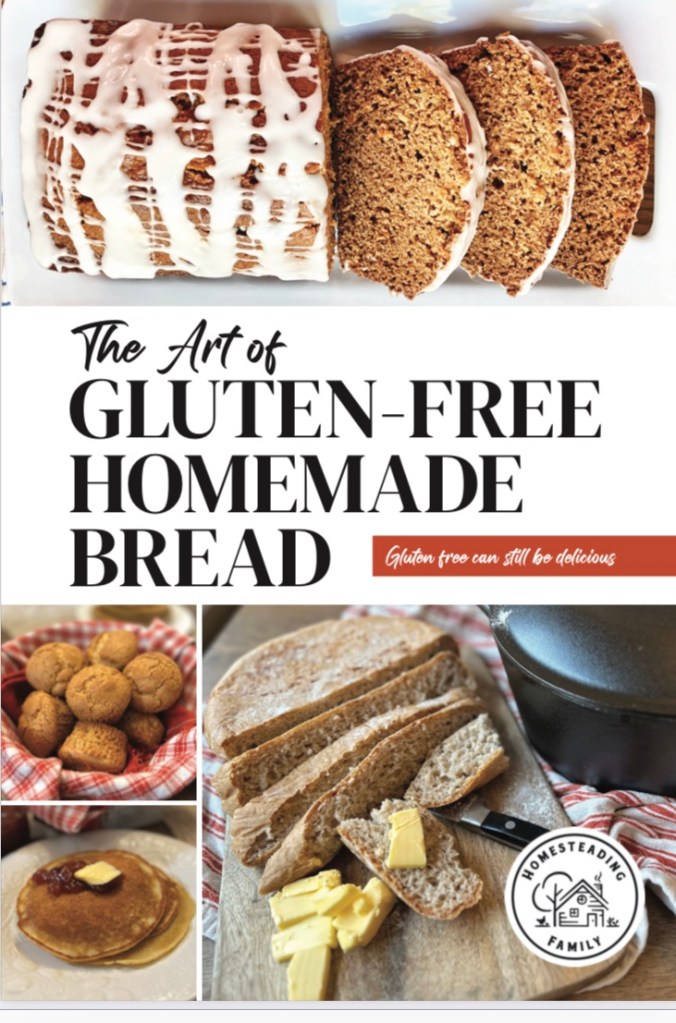
If you missed the launch of The Art of Gluten-Free Homemade Bread, this is the gluten-free book that I wrote for Homesteading Family. It was so popular that it sold out in less than a week but you can get the digital copy or sign up for the wait list for a physical copy at the link above.
For those of you that have made my fermented lemon cranberry relish, pull out whatever you have left from Thanksgiving and use for it for your Christmas parties. 🎄
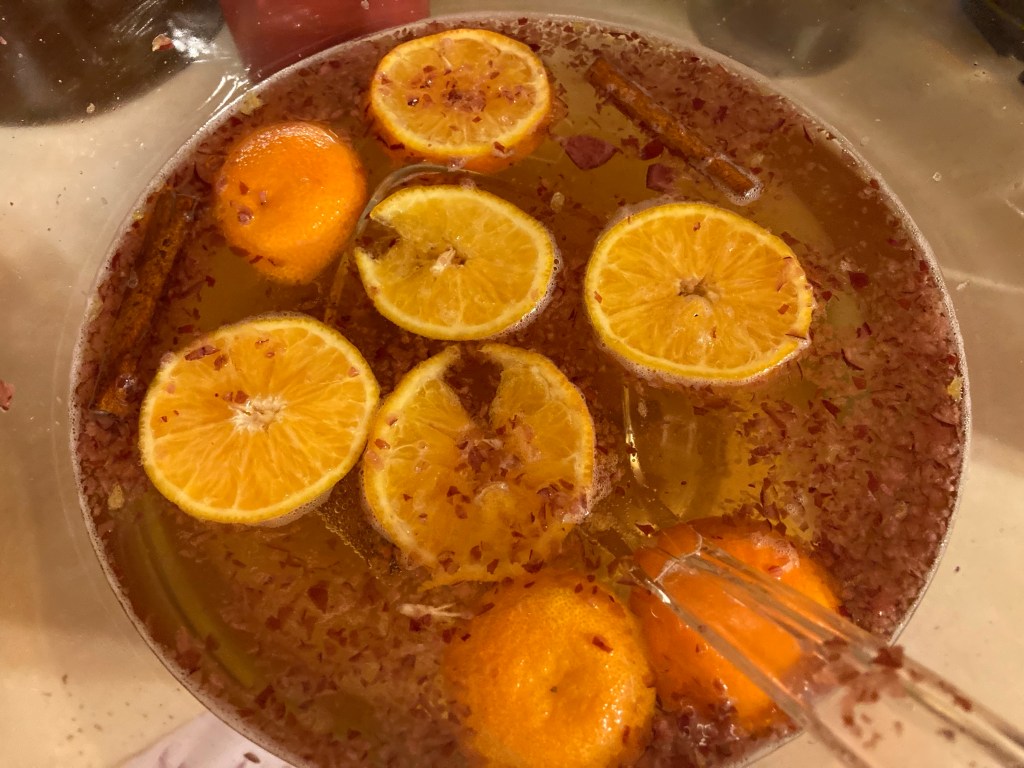
I improvised this yummy Christmas punch for my daughter’s Christmas party. It was super easy and delicious too!
Cranberry Orange Cinnamon Christmas Punch Recipe:
1 bottle of apple juice 1 – 2 liter bottle of Sprite 3 heaping spoonfuls of cranberry relish 3-4 cinnamon sticks Slices of 1 large or 2 small oranges
This punch is delicious! It’s best if you add everything but the sprite and let it chill overnight and then add the Sprite right before serving. It’s also super quick to mix up more when your bowl runs low. Just combine everything together again and you’ve got another bowl ready to go.
And if you need to avoid refined sugar, try this sugar-free modification…
If you need to omit refined sugar, simply follow the recipe above, but instead double the amount of lemon cranberry honey relish that you add, and use orange flavored seltzer water instead of Sprite and you’ll have a yummy holiday punch with no refined sugar.
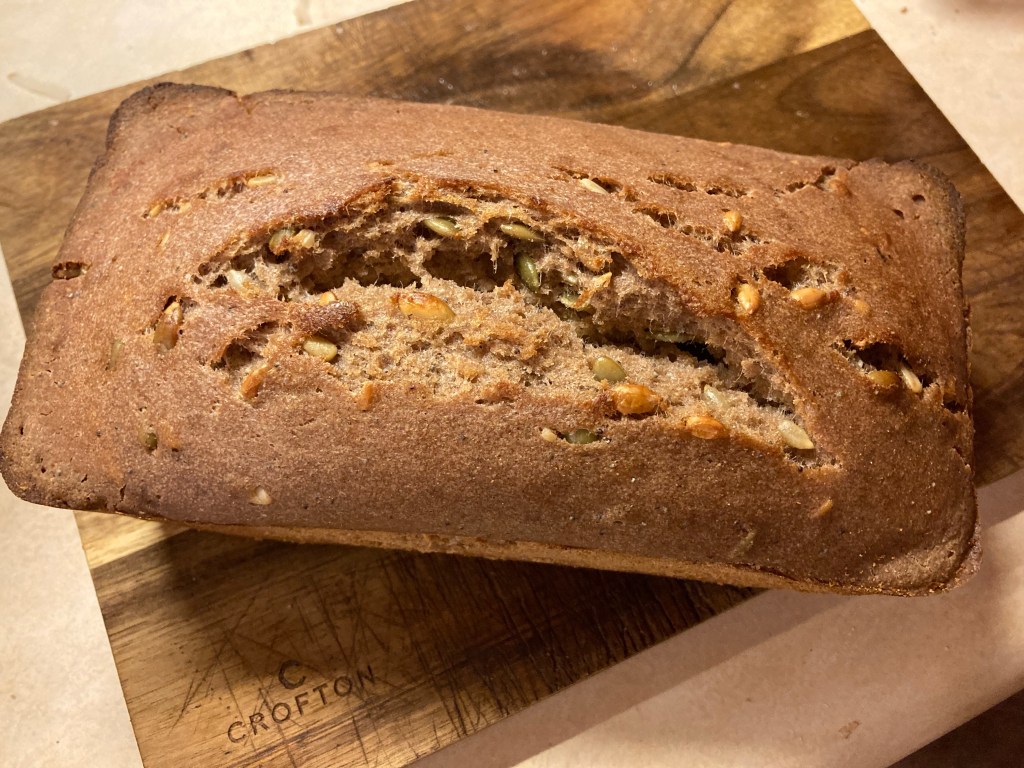
I developed this sourdough bread recipe for a friend who requested a “Seedy Loaf.” I’d never tried this with gluten-free before, but it turned out quite nicely and she requests one every week.
Gluten-Free “Seedy” Loaf Recipe:
Whisk the following in a small mixing bowl:
1 cup of gluten-free sourdough starter
2 tsp salt
2 tbsp oil
2 tbsp honey
2 1/2 tbsp psyllium husk
2 cups water
Whisk together and let the mixture sit for 15 minutes to thicken. While your mixture is resting, collect the rest of your seeds for soaking. In a small bowl measure out…
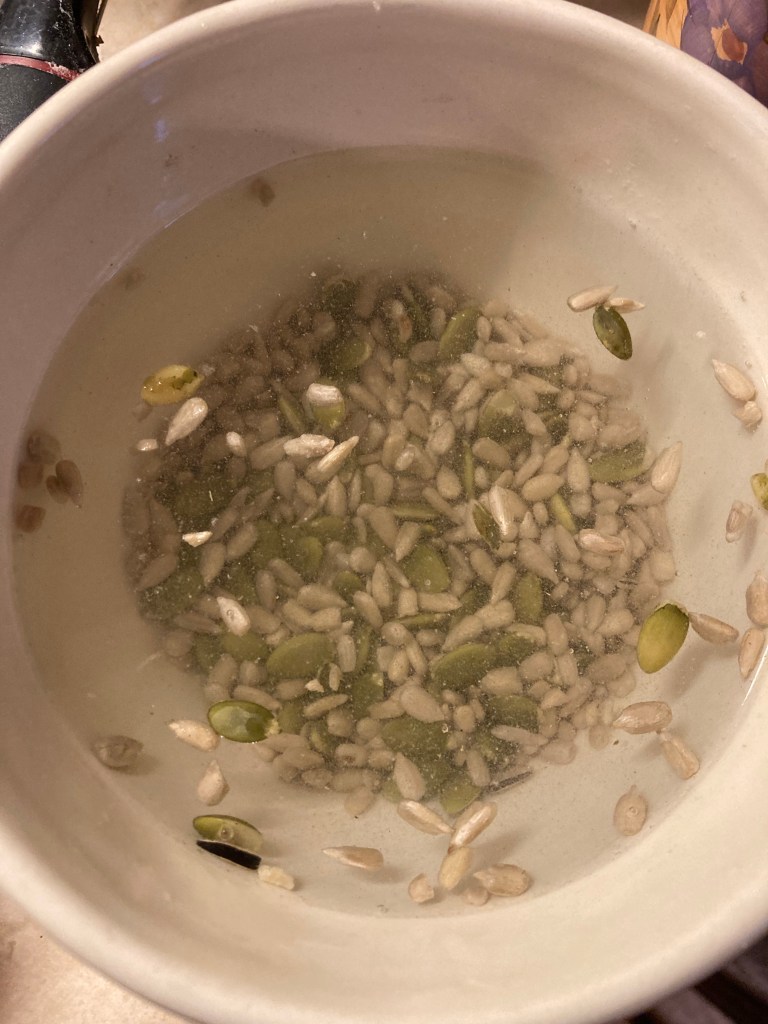
1/3 cup pumpkin seeds
3 tbsp of hulled sunflower seeds
Cover the seeds in the bowl with water and let them soak until just before your bread is ready to go into the oven the next day.
Now back to your mixing bowl. To the liquid mixture add…
1/4 cup quinoa flour
1/3 cup brown rice flour
1/3 cup arrowroot powder (or tapioca starch)
1/3 cup potato starch (or cassava flour)
1/3 cup sorghum flour (or chickpea flour or oat)
1/4 cup millet (or sorghum)
1/4 cup teff (or buckwheat)
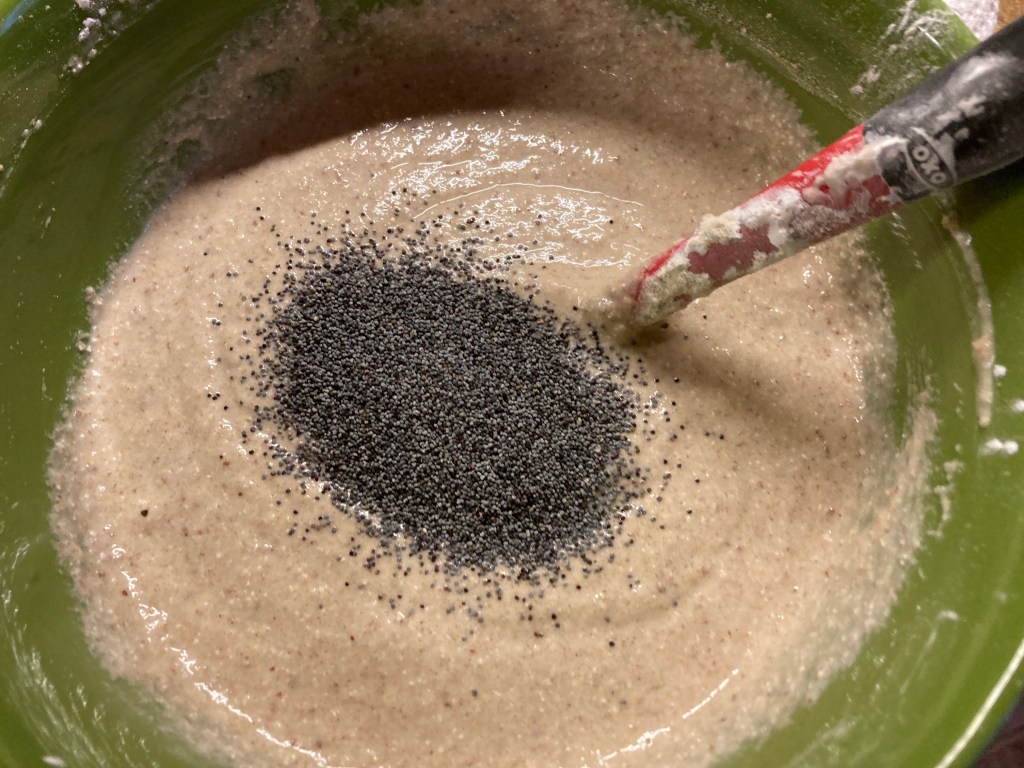
1 tsp poppy seeds
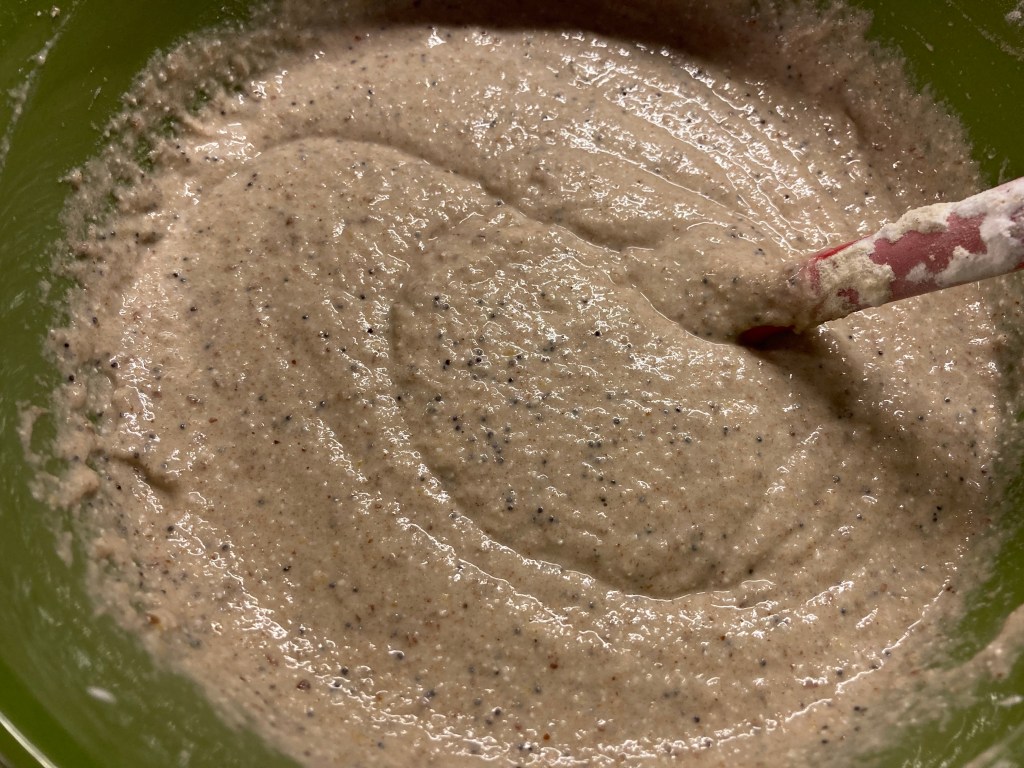
Mix together until there are no more lumps. Batter should be the texture of a very thick pancake batter or thick oatmeal. If it is too thin add a little more of one of the flours until the correct texture is achieved.
Cover your bowl with a damp tea towel or lid and refrigerate for 24 hours.
On Bake Day:
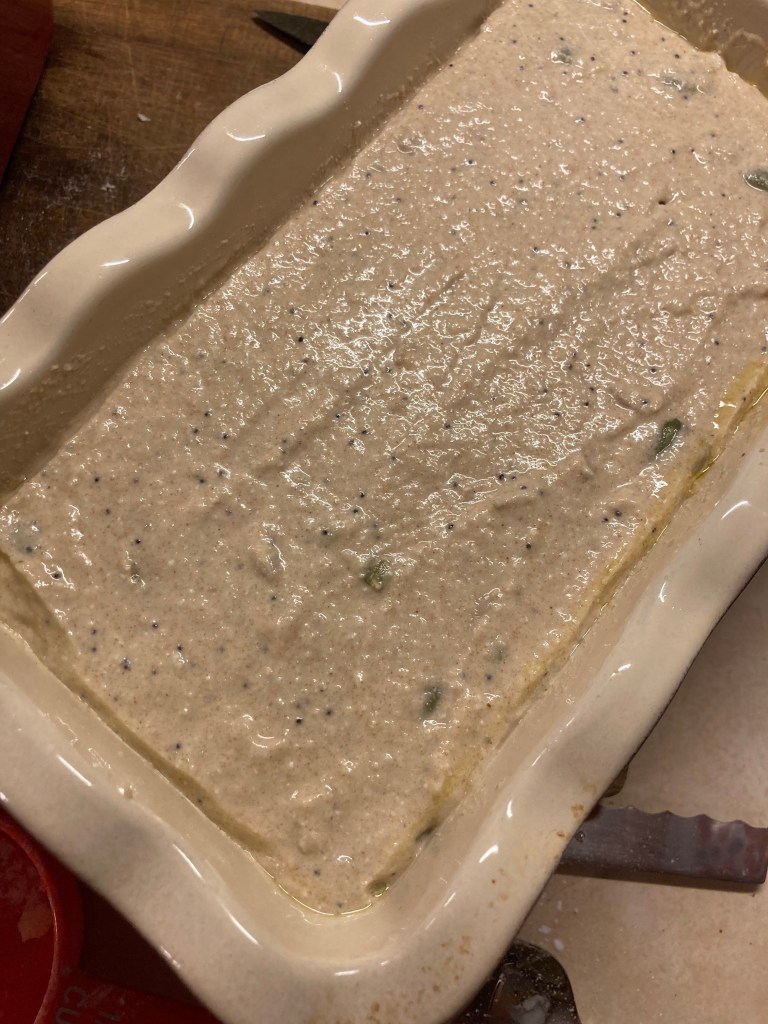
Preheat the oven to 450 degrees. Drain the water from your soaked seeds. Remove your bowl from the fridge and add your seeds to the batter. Mix well until they are all distributed. Then pour your batter into a greased loaf pan.
Next, with a rubber spatula, gently press down around all the edges about 1/4” pulling the batter at the top just away from the edge of the pan. This will help with the rise.
Immediately transfer to the hot oven. Bake for 1 hour. Internal temp when done should read 210 degrees on a digital thermometer. If it is not done, bake for 10 more minutes. Cool overnight or for 12 hours before slicing so that the texture of the bread can set.
The Art of Gluten-Free Homemade Bread Book by Homesteading Family:
It’s finally available! I created these recipe for Homesteading Family and the book is available just in time for Christmas. Order your copy from Homesteading Family!
And if you want a wheat based bread class that covers it all – yeast, sourdough, fresh milled flour, sprouting, and ancient grains, check out Homesteading Family’s The Art of Homemade Bread Course. Carolyn taught me how to make bread and sprout my grains. It’s the most comprehensive course I know of.
The book I wrote for Homesteading Family is now available. The Art of Gluten-Free Homemade Bread is available now. The ordering window for the book is only available once a year so get yours early while they are available! The fort run sold out in a week, so grab yours now. They won’t last long.
Tomorrow Homesteading Family is hosting their last webinar of the year. This time it is on Pressure Canning. I don’t remember them ever covering this topic before, so if it’s something you are curious about or have wanted to try, click the link above to sign up!
These are sweet little treats that are light with a slight nutty flavor. They are the perfect treat on their own or with some butter and jam or honey.
Gluten-Free Popover or Dutch Baby Pancake Recipe:
This recipe is quick to mix and bake. Combine the following in a small mixing bowl:
1 cup of heavy cream or half and half
3 egg yolks
1/2 tsp salt
1/2 tsp vanilla
4 tbsp sugar
Whisk until combined. The egg yolks add softness and some binding properties. The cream adds the liquid and fat. Next add…
1/4 cup millet
1/4 cup tapioca
1/4 cup white rice flour
1.5 tsp baking powder
1/2 tsp cinnamon
Mix with a rubber spatula until there are no more lumps. Let the batter sit for 10 minutes and then check the texture. It should be the texture of a smooth, soft icing.
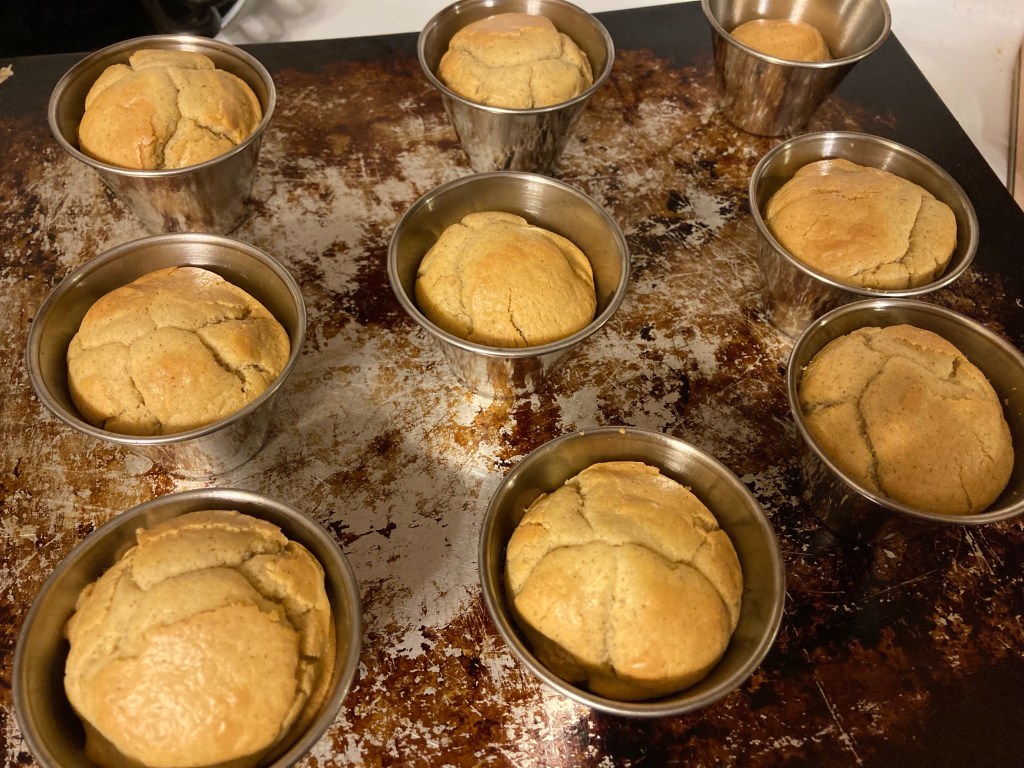
Spoon into a greased mini muffin pan or I used these mini stainless steel ramekins to bake mine. They are the perfect little mini bite size.
Bake at 400 for 20 minutes. Remove and cool.
Enjoy these little bites for an afternoon treat, quick breakfast, or dessert. If you want to bake as regular sized muffins, spoon into the greased pan and bake for 25 minutes.
This recipe makes about 9 mini popovers or 4-5 large ones.
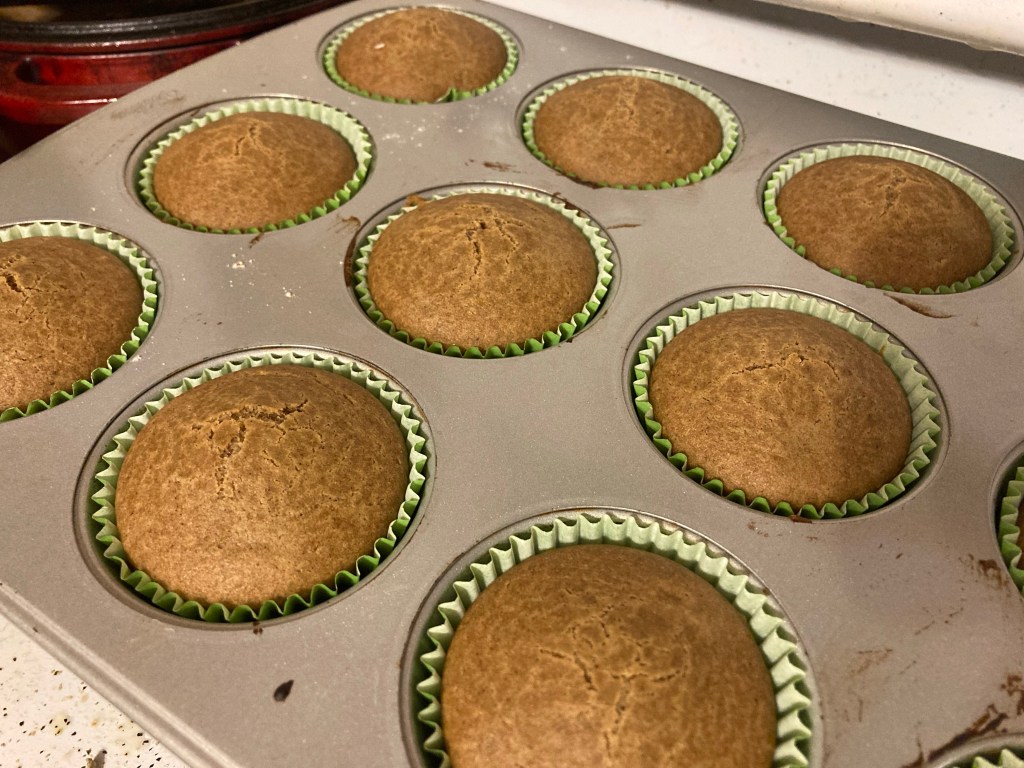
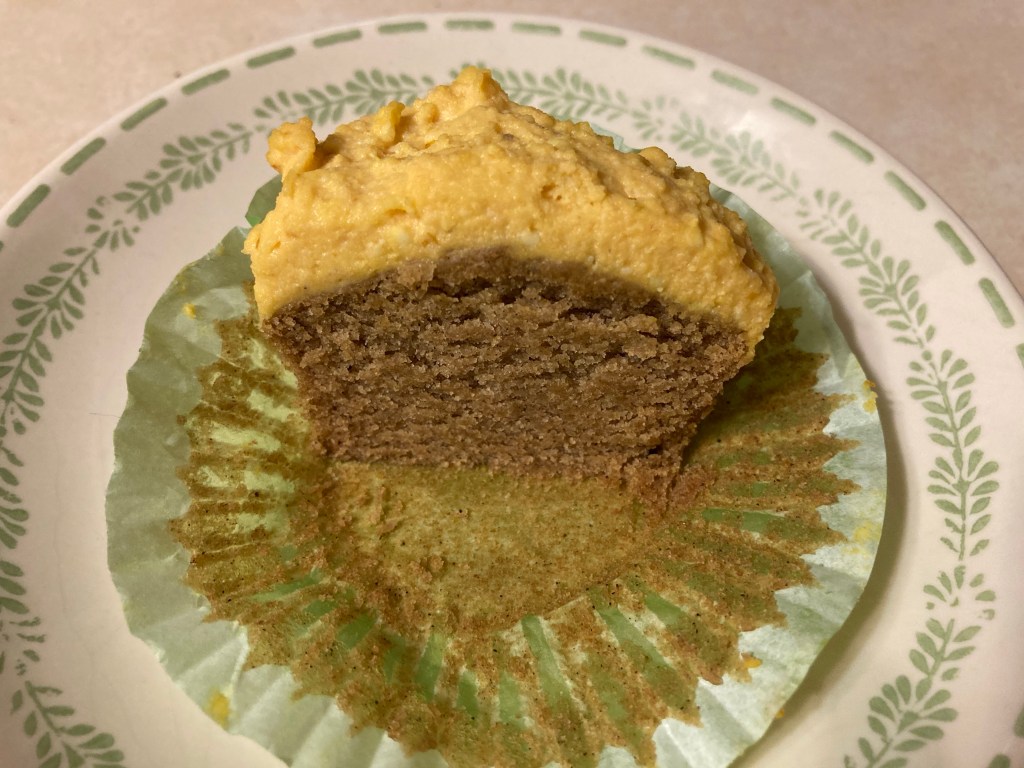
We make egg free cakes all the time since my son can’t have egg whites. I have my favorite wheat based version of this (search for “cake pan cake” in the search box if you are interested in those. Here’s a gluten-free pumpkin spice version that is also egg-free, and dairy free that we made into cupcakes. Consider making these as an allergy-friendly dessert option for your Thanksgiving guests. And if you are looking for more good, reliable, healthy gluten-free recipes, scroll to the end. I have news on Homesteading Family’s new gluten-free book.
Gluten-Free Pumpkin Spice Cupcake Recipe:
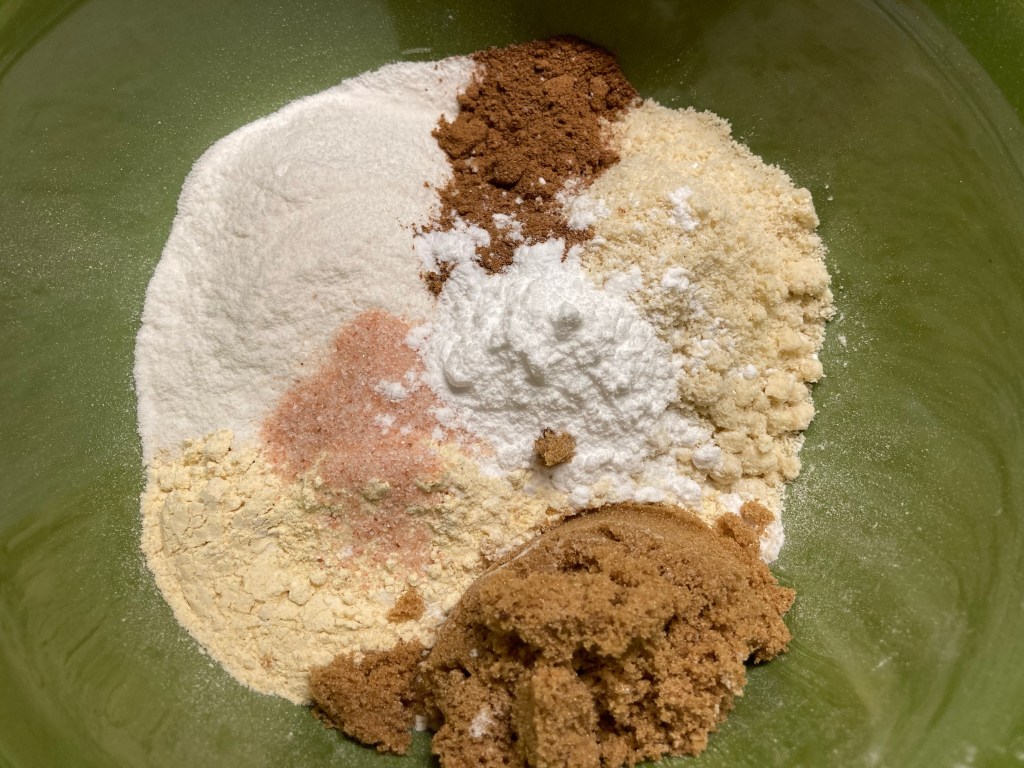
Add the following into a medium mixing bowl:
1/2 cup potato starch (sub arrowroot or tapioca starch)
1/2 cup chickpea flour (sub sorghum, oat or other legume flour)
1/2 cup white rice flour (sun brown rice flour)
1/2 cup almond flour (sub other not flour)
1 tsp salt
2 tsp pumpkin pie spice
1.5 tbsp psyllium husk
1/3 cup brown sugar
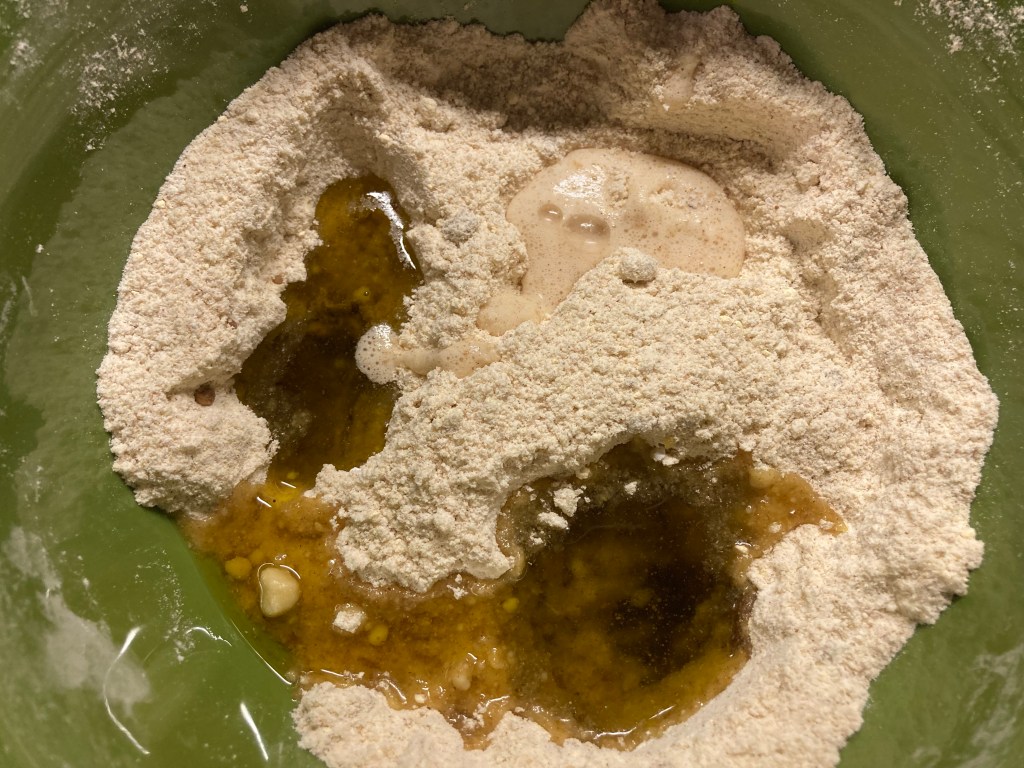
Stir to combine. Make 3 small wells or depressions in the flour and add the following….
1/3 cup olive oil
1 tsp vanilla
1 tbsp apple cider vinegar
Over all that pour 1 cup cold water.
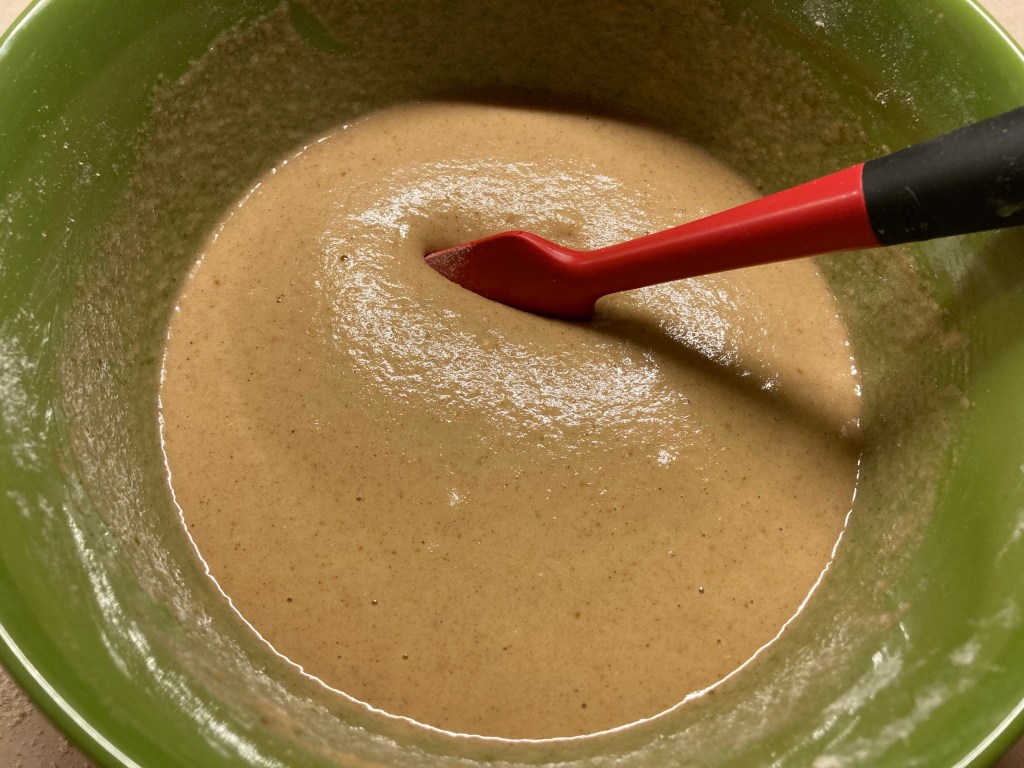
Whisk it all together until smooth. Cover the bowl and let it sit for 15 minutes.
After the rest evaluate the texture. It should be like a thin cake batter. It should be thick and not watery but thin enough to fall off your spatula. When I came back to my batter after the rest period it was thicker than it should have been so I added 1/4 cup more water 2 tbsp at a time until the texture was correct.
Spoon into muffin cups. Bake at 375 degrees for 15-18 minutes until browned. Cool completely before icing or serving.
Add some homemade pumpkin frosting and they are delish! 🎃
So, did you know that Homesteading Family is coming out with a new Gluten-Free book? The Art of Gluten-Free Homemade Bread should be released to the public some time this winter, unless you are a member of Homestead Kitchen that is, in which case you have early access to the e-book already. But Carolyn is offering a FREE bread webinar.
Want to make bread like this? Check out Homesteading Family’s free bread webinar! Just in time for Thanksgiving too. Carolyn gives away lots of great info. She taught me to make bread and can teach you too! Her classes are the best! And I hear that there may even be talk of the new Gluten-Free book which you can get early access to if you are a member of Homestead Kitchen.
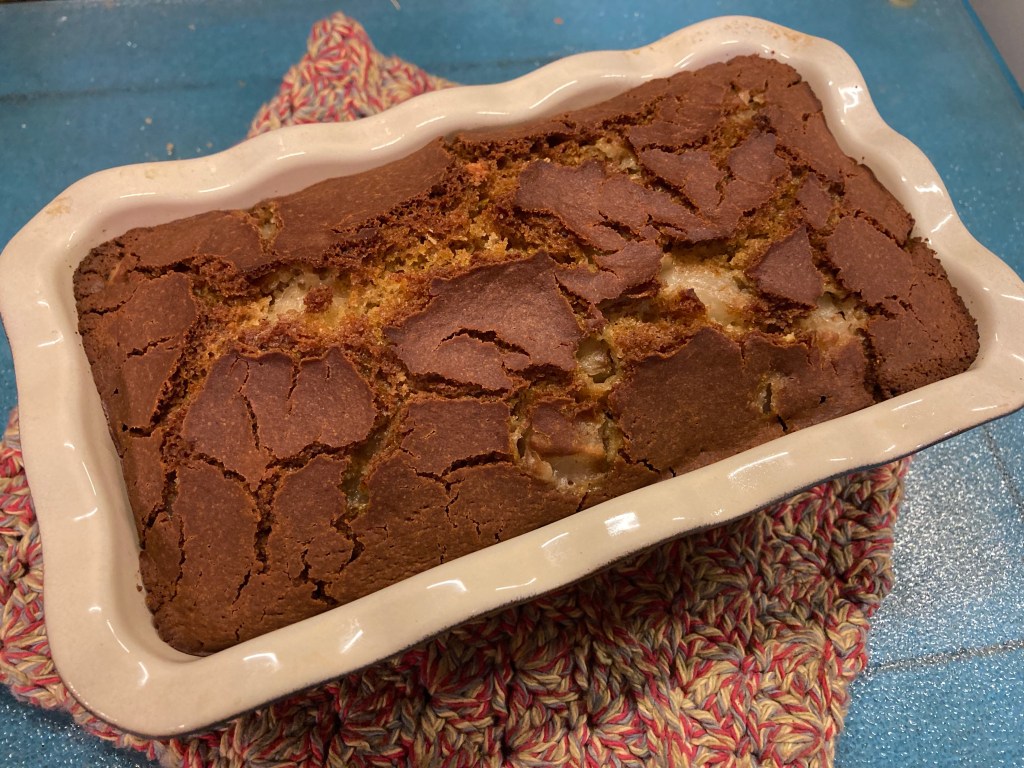
This is the perfect fall recipe. Suggested substitutions are listed in parentheses but you can substitute any flour if a similar type (whole grain for whole grain, starch for starch, legume for legume, nut for nut) with good results. My recommendations are just suggestions. Use the flours that your starter is made from and that you tolerate best.
Gluten-Free Apple Cinnamon Sourdough Batter Bread Recipe:
Mix the following in a bowl:
– 2 cups gluten-free sourdough starter
– 1.5 cups peeled and chopped apples
– 1 tsp of salt
– 1/2 cup oil
– 1.5 tsp of vanilla
– 2/3 cups of honey
– 1 1/4 cups of water
Then add…
– 2 tbsp psyllium husk
– 1/2 cup chickpea flour (or sorghum)
– 1/2 cup almond flour (or other nut flour)
– 1/2 cup brown rice flour (or oat)
– 1/2 cup sweet rice flour (or tapioca)
– 1/2 cup potato starch (or cassava)
– 1.5 tsp cinnamon
– 2 tsp baking soda
Mix until well combined and let the batter rest for 15 minutes. The texture should be like a thickened pancake batter.
Pour into a greased loaf pan or casserole dish. Bake in a 400 degree oven covered for 40 minutes. A toothpick should not necessarily be clean but should not be wet when tested.
Cool completely before slicing.
Enjoy!
For a complete guide to heathy, gluten-free sourdough, consider joining Homesteading Family’s Homestead Kitchen Membership to get exclusive access to the new book that I have co-written with Carolyn Thomas – The Art of Gluten-Free Homemade Bread. It’s available as an exclusive, early release to Gold level Homestead Kitchen Members. Stay tuned for the print copy of the book which is due out this winter.
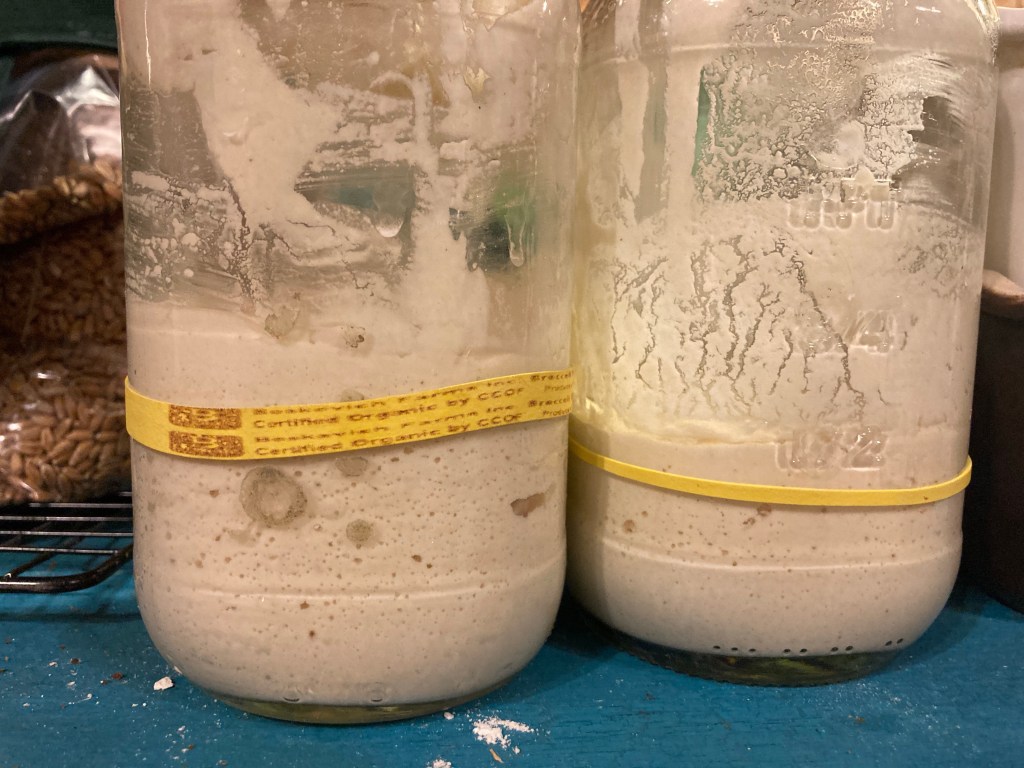
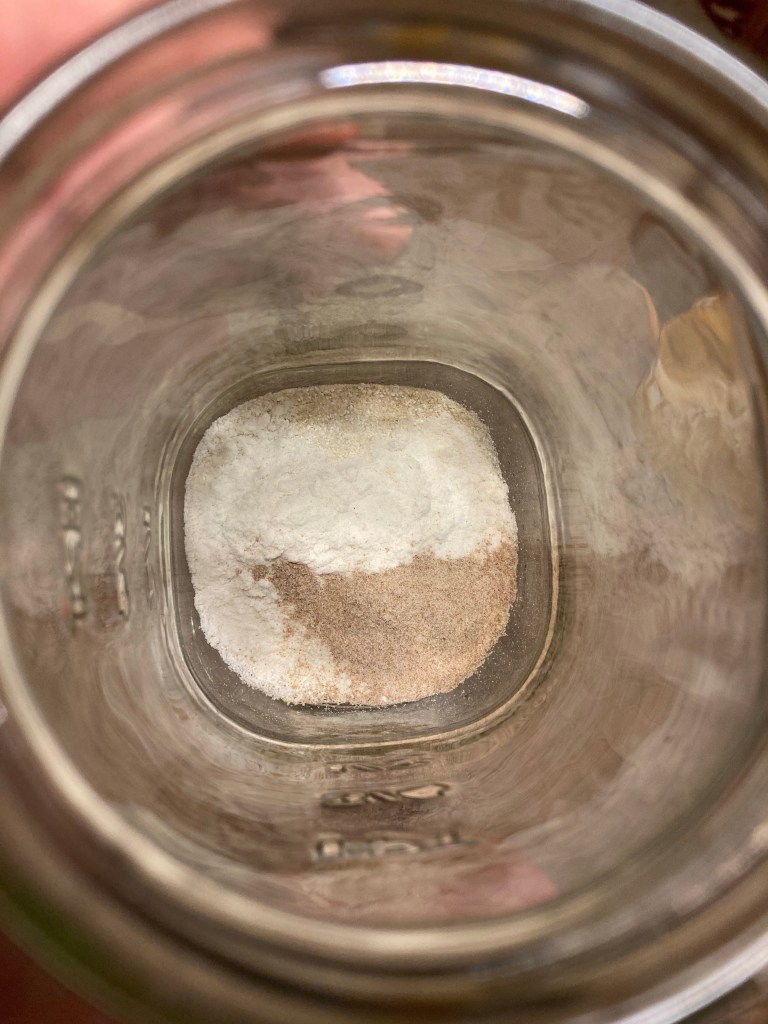
These are two gluten-free starters made from brown rice and quinoa. They are just starting to show signs of life. See the tiny bubbles?
I’ve been making sourdough bread for several years. My daughter and I made our first gluten-free sourdough starter in 2020 as part of her science experiment. I’ve since made several different gluten-free sourdough starters. What follows is the technique that I’ve found works the best.
(Note: This technique also works equally well with wheat wheat based, whole grain flours like hard white or red wheat, spelt, rye, khorasan, or einkorn.)
How to make your own Gluten-Free Sourdough Starter from Scratch:
1. Choose your flours: Sourdough always performs best when some of the flour the recipe is the same flour that the sourdough starter is made from. Unlike wheat baking, several different flours are needed in gluten-free baking to replicate the starch, protein, mineral, and vitamin content of the wheat berry in order to achieve the light, moist, nutritious baked goods we all enjoy. For gluten-free baking, this means that it is best to use between two to three different flours, rather than a single one, that you tolerate well when making your sourdough starter. This will ensure that your starter performs well because you will use the same flours in your baking that your starter is built from.
What flour combinations can I use tomake a gluten-free sourdough starter?
Choose 2-3 of the any of following flours to create your sourdough starter from scratch:
– Millet flour – Quinoa flour
– Brown rice flour – Buckwheat flour
– Sorghum flour – Oat flour
– Teff flour
Notice you don’t see any starches or nut flours in this list. I avoid starch based flours when making a sourdough starter as they just don’t have the same microbial content that whole grain gluten-free flours do. As a result using a starch like potato starch, tapioca flour, or arrowroot powder will not contribute much to the microbial makeup of your starter. I avoid nut flours also because of their high oil content. Flours with high oil contents can go rancid quickly, which would not be ideal for a sourdough that you might need to store in the fridge for a while if you come upon a time when you can’t feed or bake with it frequently.
Notice also that I put quinoa in bold. This is because quinoa is a microbial powerhouse! If you’re used to baking with wheat based sourdough you may know that the way to give your sourdough a microbial boost is to give it a feeding or two or rye flour. Well quinoa is the rye of the gluten-free world.
Using quinoa in your gluten-free sourdough will make it super active! In my experiments my quinoa starters matured more quickly (before any of my others) and were more active than any of my other sourdough starters. Quinoa even matures in cold temperatures when others don’t. It’s really quite an amazing, nutritious grain.
Quinoa should definitely be one of the 2-3 flours that you use to build your sourdough starter. It doesn’t take much. Only a teaspoon or less at each feeding.
2. Gather your Equipment :
The tools needed here are simple. All you need is…
– quart size jar
– plastic lid (not metal)
– a rubber band
– stirring implement
– small measuring cups or spoons
3. Mix your Sourdough:
So you’ve decided on the 2 or 3 flours that you plan to use from the discussion above and you’ve got your equipment ready. Let’s get started.
Steps for Mixing and Feeding Your Sourdough:
Gluten-free flours are much more expensive than wheat. Because of this, we are doing to mix in small amounts. This will keep us from wasting any of our flours and ending up with more sourdough starter than we can use.
Day 1: Add 1 tablespoon each of your chosen flours to your quart sized jar. If you have planned to use 2 flours in your starter, feed it 2 tbsp total, one of each. If you chose 3 flours, feed it one tbsp of each flour type, and so on. Don’t forget to put quinoa in the mix if you can. Put a rubber band on the outside of the jar so you can keep an eye on the level of the starter. This will help you gauge the activity of the starter as it starts to get active and rise.
Pro Tip: Use a minimum of two gluten-free flours in your sourdough, but no more than five.
Next, into your quart size jar, add 1/2 tablespoon of water for each of the flours that you used. So if you used two flours, add 1 tablespoon of water. 3 flours – 1.5 tbsp water, 4 flours – 2 tbsp water, and so on.
Stir well and let it sit for 24 hours.
In the starter pictured below, I chose three flours – brown rice, quinoa, and teff flours.
Day 2: Repeat your day 1 feeding of 1 tablespoon each of each of the flours you chose and 1/2 tablespoon of water per flour used. Adjust the rubber band to the level of the starter in the jar after the feeding. Let it sit for another 24 hours.
Pro Tip: Different flours may need more or less water to fully hydrate. If you go to feed your starter on day 2 and it has a lot of liquid on top, then give it a little less water next time. On the other hand, if you go to feed your starter and it thick, dry, and crumbly, give it extra water at that feeding. Did you know that you can choose the texture of your sourdough? I like to keep mine like a thick cake batter, but you can use more water if you prefer a thinner, pancake batter like texture.
Here is a photo of my starter with water added after feeding. It’s still just a tiny amount, and that’s okay. It doesn’t have to be a large amount to ferment and flourish.
Day 3: Feed again as you did on day 1 and 2 and adjust the position of the rubber band, but this time, pop it in the fridge for 2 days for a cold ferment period.
Day 5: Your starter should have been happily sitting in the fridge for you for the past two days. Today, you should take it out, sit it on the counter, and let it warm back up for 24 hours.
Day 6: Feed your starter as before, adjust the rubber band to the level of the starter in the jar, and now let it sit at room temperature and wait. Let the starter sit undisturbed until you start to see bubbles and rise. Once it doubles or nearly doubles, your starter is ready. How fast a sourdough starter develops depends largely on the temperature in your kitchen. You may need to let it sit for 36-48 hours before you see rise.
Here is my starter after taking it from the fridge, feeding it, and letting it sit for 12 hours. Look how active and happy it is!
So with a little care and patience, you can have a robust, active, healthy, happy starter within a week.
Pro Tip: This method works with wheat based flours too. You can have a new wheat, spelt, or rye starter in a week’s time if needed.
How to maintain your gluten-free sourdough starter:
Once your starter is ready and has doubled in your jar, now you want to bake with it. You can try your hand at bread, or simply make some sourdough pancakes or muffins. The more you use your starter the more active it will become. Just remember, don’t use it all. Keep at least 1/2 cup – 1 cup in your jar at all times to continue feeding so that you will always have enough sourdough for your baking needs.
To keep the best and strongest starter, keep it on the counter and feed it twice a day, morning and evening for maintenance, baking something with it several times a week. If you find you need a break from feedings, pop it in the fridge and it will wait for you until you need it again, but it’s best to still feed your starter once a week even while you are keeping it in the fridge to keep it happy and active.
What if I don’t see bubbles?
If you have fed it several times, just let it sit at room temperature until you start to see bubbles. It will ferment if given enough time and your room temperature is warm enough. The ideal temp is between 65 and 75 degrees, but colder is fine too as it will ferment at any temperature above freezing. Just know, the cooler it is, the longer the fermentation will take. If it takes more than 36 hours, it’s not a bad idea to stir your starter every 12 hours without adding any more flour or water until you see tiny bubbles. This just helps prevent anything from getting moldy by keeping the parts that are exposed to air moving around. Once you start to see bubbles, stop stirring and let it sit.
What is my starter develops mold?
If this happens, and it does sometime, throw it out and start again. Now, if you have a mature, active starter and it develops mold, sometimes those can be saved. But in the early days of sourdough development, mold can sometimes happen before the starter is strong, active, and acidic enough to prevent it.
What if my starter smells like alcohol, acetone, kerosene, or vomit?
As unappealing as this is in the beginning, these smells are all a completely normal part of the development of sourdough. Don’t worry, as the starter continues to mature the smell will lessen and gradually progress into just smelling sour as it should. As long as your starter does not smell putrid or spoiled, it is fine to just keep on going.
Share Your Starter Stories:
I’d love to see pictures of your starters. Please share photos or ask questions here in the comments. 😊
All my recipes are available in this comprehensive book that I wrote for Homesteading Family. Get your copy here.
For Further Study:
• If you would like a video based sourdough course I recommend Homesteading Family’s The Art of Homemade Bread Course. Carolyn covers yeast and sourdough breads in step-by-step video lessons. It’s how I learned to make bread and now I’ve advanced to developing my own systems. So, if you are a visual learner, she gives you a daily video of what to do.
• If you are on the fence about the complete bread course, give Carolyn’s FREE bread training a try. She gives away a lot of good, free info that will get you baking good bread right away.
• Already have a sourdough starter? Homesteading Family’s Homestead Kitchen Community has a Sourdough Challenge doing on right now! It’s a great way to jump in to sourdough baking or advance your skills. And if you join you’ll get a sneak peek at the new Art of Gluten-Free Homemade Bread book that will be released this winter.
• If you are fascinated by microbes and all things sourdough take a deep dive into my friend Diana’s book: Olwes Miaken’s Creatures. She is truly a sourdough wizard and can make bring any flour or grain to life! Her book is fascinating and fun! She names all her creations. Check it out to see all that she has made.
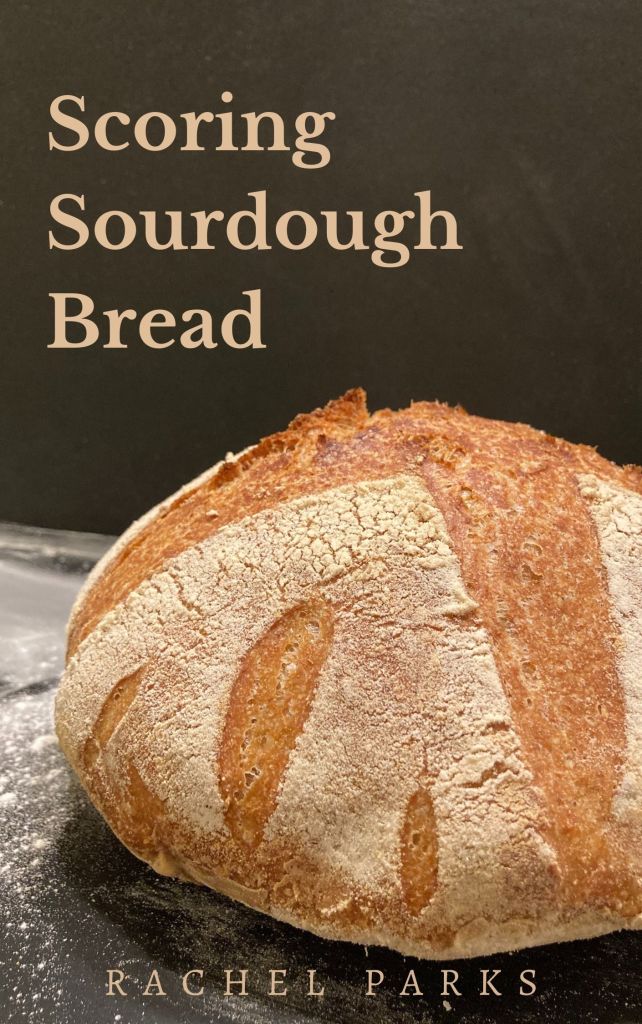
• And if you have success with sourdough and want to make it beautiful, check out my book on scoring sourdough. You can buy a copy of the e-book here on my blog, or you canvisitAmazon for a physical copy of Scoring Sourdough Bread.
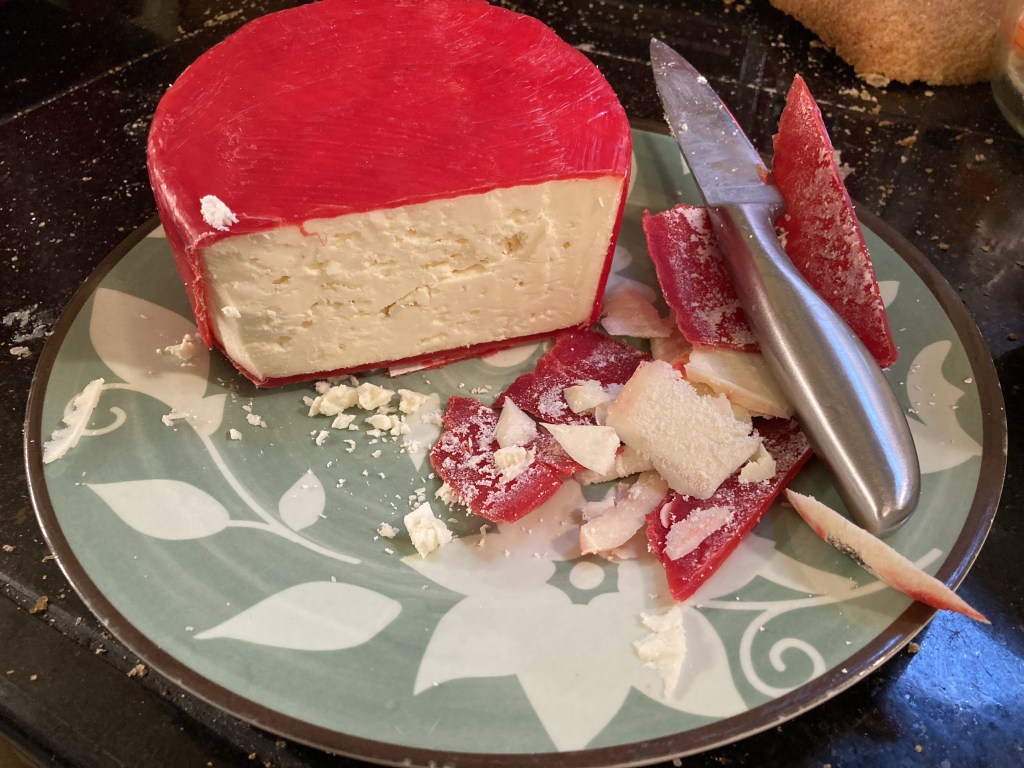
I learned how to make the cheddar cheese shown above from Carolyn’s class and I can’t recommend it highly enough. She takes you step by step from fresh dairy products, and fresh cheeses, to hard aged cheeses. And all her recipes can be made with store bought milk! This is a huge bonus for me since I live in a state where you can’t buy fresh raw milk.
Join the free webinar or check out the Practical Homemade Dairy course if you’ve ever had an interest in making your own cheese and dairy products. I enjoy making them myself because I can control the type of culture that I use to make sure that it is one that we can eat since some dairy cultures bother us.
Enjoy! I hope you’ll join me on this cheese adventure! 😊 And just in case you decide to jump in, click this link to find my favorite cheese mold and this is my all time favorite cheese making book – Mastering Basic Cheesemaking by Gianaclis Caldwell. If you want the basics in book form, this is the one to get!
And if you can’t make the webinar live, don’t worry! Sign up anyway. There is always a replay. 😊
















 Remembering Maggie Lane